


What's Happening?
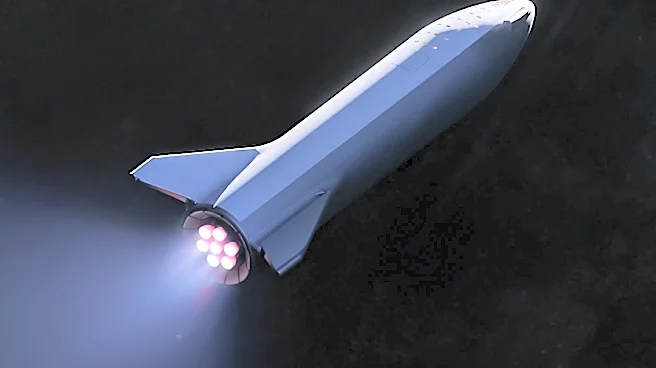
The first images of a new crater on the Moon, caused by the crash of a SpaceX Falcon 9 rocket, have been released. The rocket, which had been drifting in space for over a year, collided with the Moon at a speed of 5,400 mph, creating a crater visible
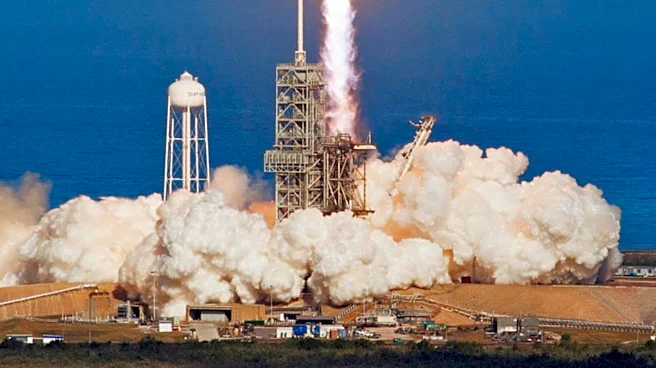
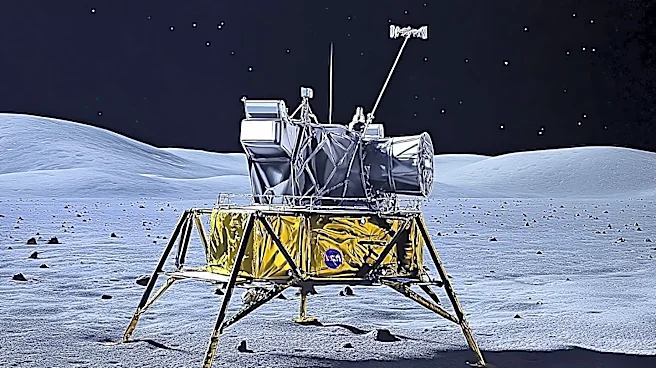
in images captured by South Korea's Danuri spacecraft. The collision, which occurred at 6.35am UK time, was expected to be visible from Earth, but only a small flash was observed. The Falcon 9 rocket was initially launched in January last year as part of a mission to deploy two lunar landers. The crash did not pose any danger to Earth, but it has raised concerns about space debris and its impact on celestial bodies.
Why It's Important?
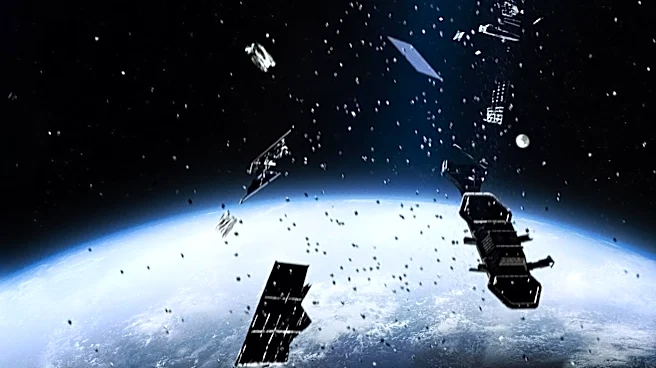
The incident highlights the growing issue of space debris and its potential impact on both space exploration and celestial bodies. As more missions are launched, the risk of unintended collisions increases, posing challenges for space agencies and private companies. The creation of a new crater on the Moon serves as a reminder of the need for responsible space exploration and debris management. The event also underscores the importance of international cooperation in monitoring and mitigating space debris to ensure the safety and sustainability of future missions.
What's Next?
NASA's Lunar Reconnaissance Orbiter is expected to release additional images of the crash site, providing further insights into the impact. The incident may prompt discussions among space agencies and private companies about improving tracking and management of space debris. There may also be calls for stricter regulations and guidelines to prevent similar incidents in the future. As space exploration continues to expand, addressing the challenges of space debris will be crucial to ensuring the safety and success of future missions.