





What's Happening?
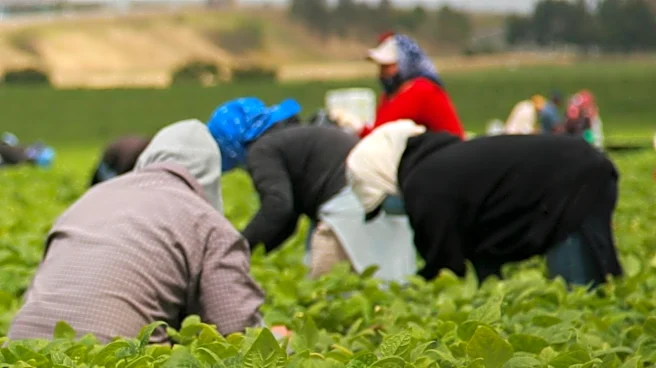
California's Child Labor Compliance Assistance Team (CLCAT), a multi-department outreach pilot program, has significantly expanded its efforts to protect young farmworkers. Since its initial announcement in July, CLCAT has more than doubled its outreach,
conducting 541 visits to agricultural worksites across 22 counties. The team makes unannounced visits to engage with employers regarding child labor requirements and provides educational materials to both workers and employers. Topics covered include workplace rights, safety, wages, work hours, heat illness prevention, retaliation protections, and permits for minors. CLCAT, an initiative of the Labor and Workforce Development Agency, brings together the Department of Industrial Relations, the Labor Commissioner’s Office, Cal/OSHA, the Employment Development Department, and the Agricultural Labor Relations Board. This pilot phase aims to gather information to guide continued outreach and support for California’s agricultural communities.
Why It's Important?
This expanded outreach by CLCAT is vital for safeguarding vulnerable young workers in California's agricultural sector. Young workers, often new to the workforce, may be unaware of their rights and susceptible to workplace hazards. California law provides specific protections regarding the types of work minors can perform, their working hours, and required permits. The program's focus on education and direct engagement at worksites helps ensure compliance with these laws and promotes safer working conditions. By addressing issues like heat illness prevention and retaliation protections, CLCAT directly impacts the health and well-being of these workers. The collaborative effort of multiple state agencies underscores a comprehensive approach to enforcing labor laws and protecting a critical segment of the workforce, ensuring that California's agricultural industry operates within legal and ethical labor standards.
What's Next?
Following the pilot phase, CLCAT will utilize the gathered information to refine and guide its continued outreach and support for California’s agricultural communities. This suggests a potential for the program to become a permanent fixture, possibly expanding its scope or refining its methods based on the effectiveness of the initial visits. The ongoing efforts will likely focus on strengthening partnerships with community organizations and further educating employers and workers on labor laws. There may also be an emphasis on developing more targeted educational materials and resources to address specific challenges identified during the pilot. The success of this initiative could serve as a model for other states facing similar issues with child labor in agriculture, potentially influencing national discussions on worker protection and enforcement strategies.
Beyond the Headlines
The CLCAT initiative highlights the persistent challenges of child labor and worker exploitation in the agricultural sector, a problem often obscured by the broader economic landscape. The program's emphasis on unannounced visits and direct engagement reflects a proactive approach to enforcement, moving beyond reactive complaint-driven systems. This strategy acknowledges that vulnerable populations, such as young farmworkers, may be hesitant or unable to report violations themselves. Furthermore, the inclusion of protections regardless of immigration status is a significant aspect, ensuring that all workers, irrespective of their legal standing, can access their rights without fear. This broader implication speaks to the ethical responsibility of states to protect all individuals within their borders, fostering a more equitable and just labor environment, and challenging the systemic issues that can lead to exploitation in marginalized communities.