




What's Happening?
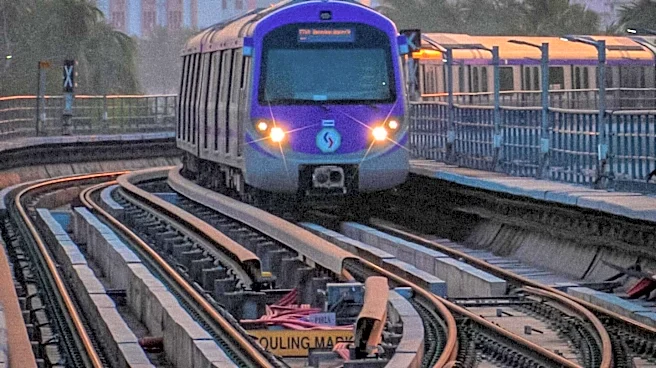
The Newark Light Rail (NLR), operated by NJ Transit, provides a reliable, efficient, and affordable transportation option within Newark, New Jersey. The network features 17 stations across two distinct lines, both centered around Newark Penn Station,
a major multi-modal transit hub. The Newark City Subway line, with origins dating back to 1935, runs from Newark Penn Station north to Grove Street in Bloomfield, taking approximately 22 to 25 minutes. The Broad Street Extension, opened in 2006, connects Newark Penn Station to Newark Broad Street Station, primarily serving corporate employees, theatergoers, and sports fans, with a transit time of about 10 to 12 minutes between the two main stations. The light rail system is a critical economic artery for Essex County, linking residential areas with Newark's central business district and providing access to key destinations like the New Jersey Performing Arts Center (NJPAC) and Branch Brook Park. Service frequency varies, with trains running every 3 to 5 minutes during weekday peak hours on the City Subway line and every 15 to 20 minutes during off-peak times and weekends. The system operates on a proof-of-payment basis, with a standard one-way adult fare of $1.80, and offers mobile ticketing through the NJ Transit app.
Why It's Important?
The Newark Light Rail plays a crucial role in the regional transportation landscape of New Jersey, particularly for Essex County. By offering a cost-effective and time-saving alternative to driving, it helps alleviate traffic congestion on major roadways like McCarter Highway, Broad Street, and Interstate 280. The system's direct connectivity between Newark's two primary train stations facilitates seamless multi-modal regional travel, benefiting commuters who transfer to Amtrak, PATH trains, and other NJ Transit commuter rail lines. Its eco-friendly electric-powered cars contribute to reducing the carbon footprint compared to personal vehicle use. The light rail also supports local economic activity by providing easy access to academic institutions, corporate headquarters, and cultural landmarks, making it vital for both daily commuters and tourists exploring downtown Newark. However, the absence of a direct connection to Newark Liberty International Airport (EWR) and limited late-night service present challenges for certain travelers, requiring alternative transportation methods.
What's Next?
Travelers and commuters using the Newark Light Rail should continue to monitor the NJ Transit mobile app or website for real-time service alerts and seasonal adjustments, as schedules can vary, especially during holidays. The system's reliance on above-ground tracks means that extreme weather conditions, such as heavy winter snow or autumn leaf fall, can occasionally cause delays, necessitating proactive checking of service updates. For those arriving at Newark Penn Station after 1:15 AM, alternative transportation will be required due to limited late-night service. While the light rail offers excellent connectivity within Newark, individuals needing to reach Newark Liberty International Airport will still need to utilize NJ Transit buses or commuter trains from Newark Penn Station. The ongoing use of the proof-of-payment system means passengers must ensure they have a validated ticket to avoid fines, either by using physical ticket vending machines and validators or activating mobile tickets via the app before boarding.
Beyond the Headlines
The Newark Light Rail exemplifies the broader challenges and successes of urban public transportation systems in the United States. Its historical roots, with the Newark City Subway line tracing back to 1935, highlight the enduring legacy of infrastructure development. The system's integration with Newark Penn Station as a central hub underscores the importance of multi-modal transit in facilitating regional mobility and economic growth. The light rail's role in connecting diverse communities, from residential areas to academic institutions and cultural centers, reflects its social impact beyond mere transportation. The operational aspects, such as the proof-of-payment system and the use of mobile ticketing, illustrate the ongoing evolution of transit management and technology. The system's environmental benefits, stemming from its electric power, align with broader sustainability goals in urban planning. However, the limitations, such as the lack of 24/7 service and direct airport access, point to areas where urban transit networks often face constraints in fully meeting all public needs, balancing operational costs with comprehensive coverage.