




What's Happening?
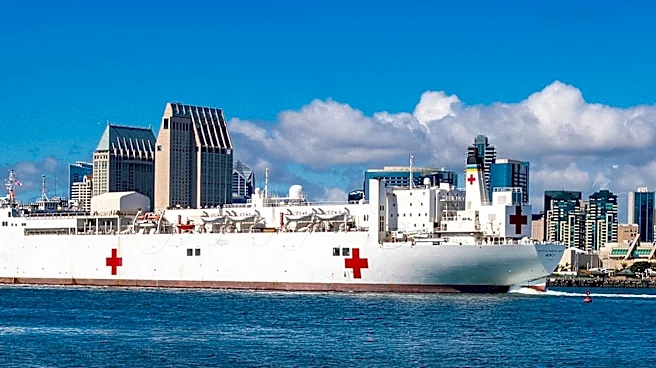
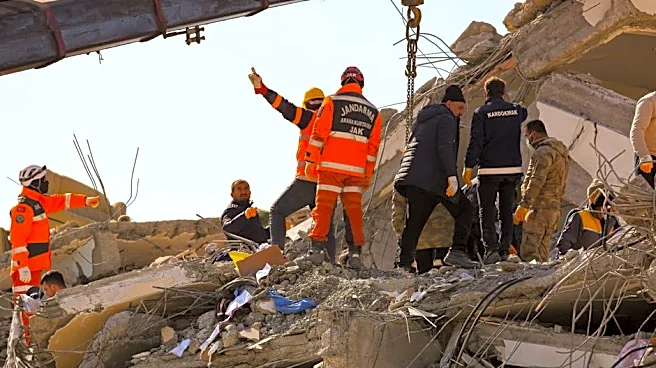
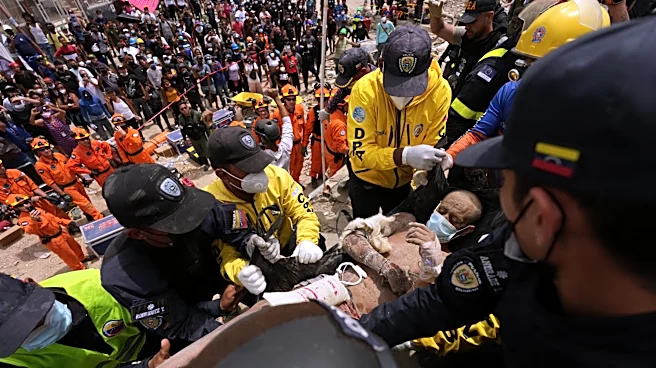
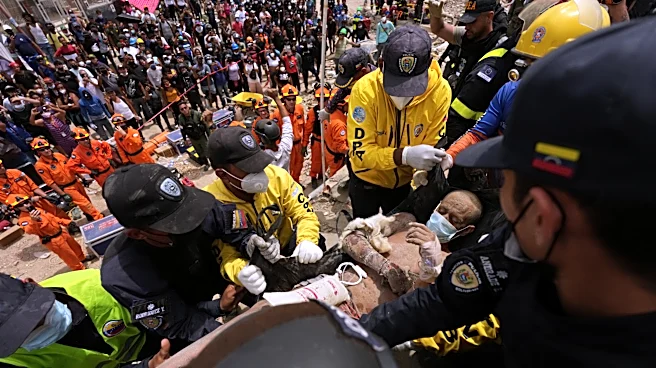
The U.S. military has deployed over 900 personnel to Venezuela to assist in relief operations following devastating earthquakes that struck the region. The deployment includes U.S. Marines and other forces who are actively participating in search-and-rescue
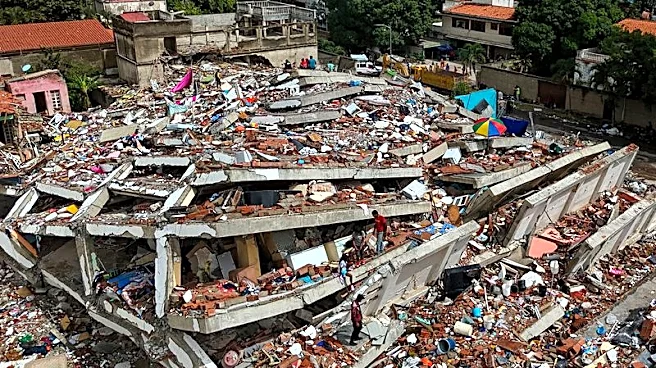
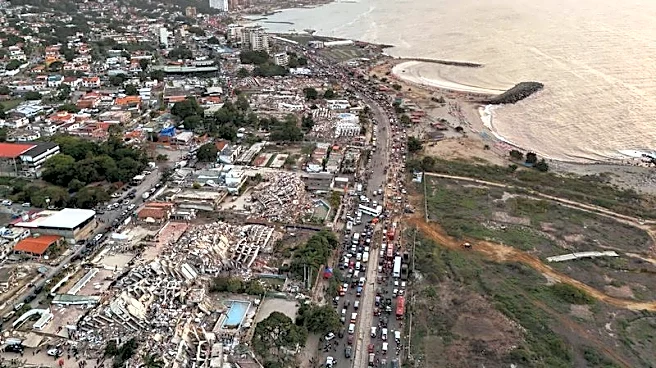
missions and helping to restore critical infrastructure, such as airports, to facilitate the arrival of humanitarian aid. General Francis Donovan, the commander of U.S. Southern Command, highlighted the use of MQ-9 Reaper drones to enhance the intelligence picture for Venezuelan authorities, ensuring open roadways and identifying damaged buildings. This operation marks a significant shift in U.S.-Venezuelan relations, especially following a recent U.S. military raid targeting Venezuela's President Nicolas Maduro. The earthquakes, with magnitudes of 7.2 and 7.5, have resulted in significant destruction, trapping thousands under rubble. The U.S. military's involvement aims to prevent logistical bottlenecks and ensure the efficient distribution of international aid.
Why It's Important?
The U.S. military's involvement in Venezuela's earthquake relief efforts underscores a potential thaw in relations between the two countries, which have been strained due to political tensions and past military actions. This humanitarian mission could pave the way for improved military-to-military relations, as suggested by General Donovan. The operation also highlights the strategic use of military resources in disaster response, showcasing the U.S. military's capability to provide rapid and effective humanitarian assistance. For Venezuela, the presence of U.S. forces may alleviate some of the criticisms faced by its government regarding the slow response to the disaster. The deployment also reflects the U.S.'s commitment to supporting regional stability and humanitarian needs in Latin America.
What's Next?
While the U.S. military's mission in Venezuela is focused on immediate relief efforts, the long-term implications could include strengthened bilateral ties if the operation is perceived positively by both governments. The U.S. State Department, leading the broader relief mission, will likely assess the situation to determine the duration of the military's presence. The success of this operation could influence future U.S. humanitarian missions and military collaborations in the region. Additionally, the Venezuelan government's response to the disaster and its cooperation with international aid efforts will be closely monitored, potentially impacting its domestic and international standing.