







What's Happening?
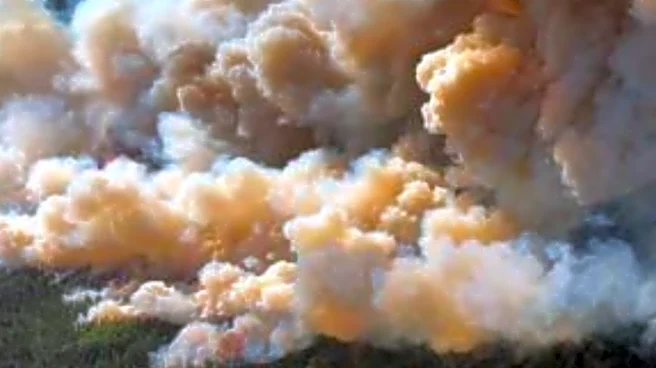
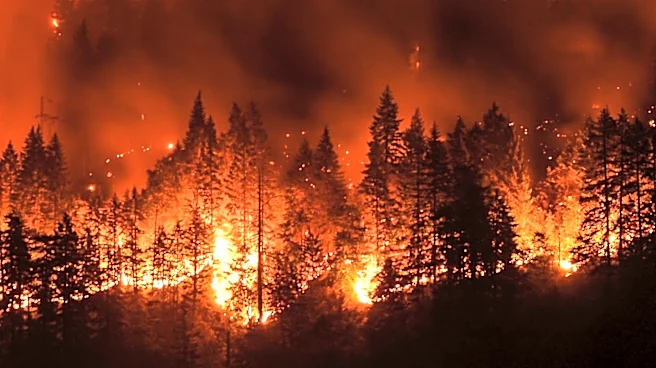
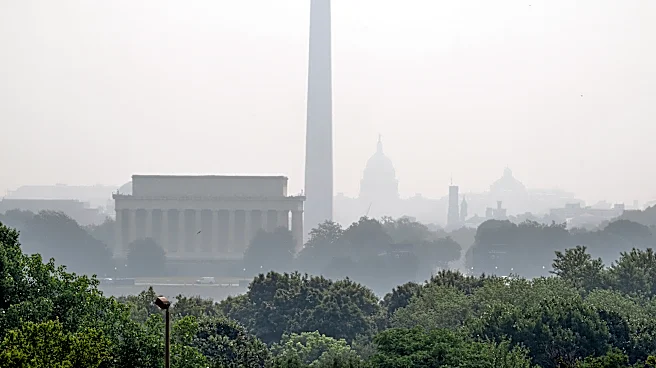
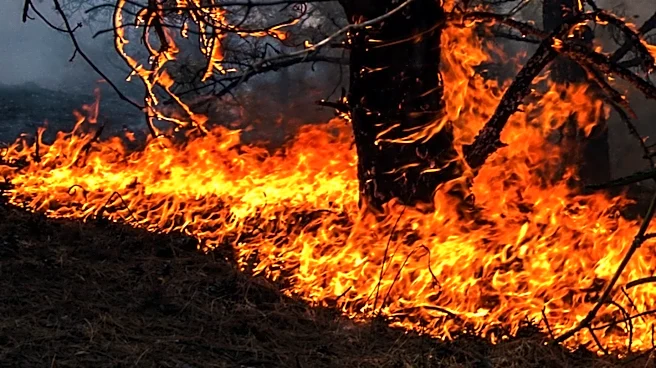
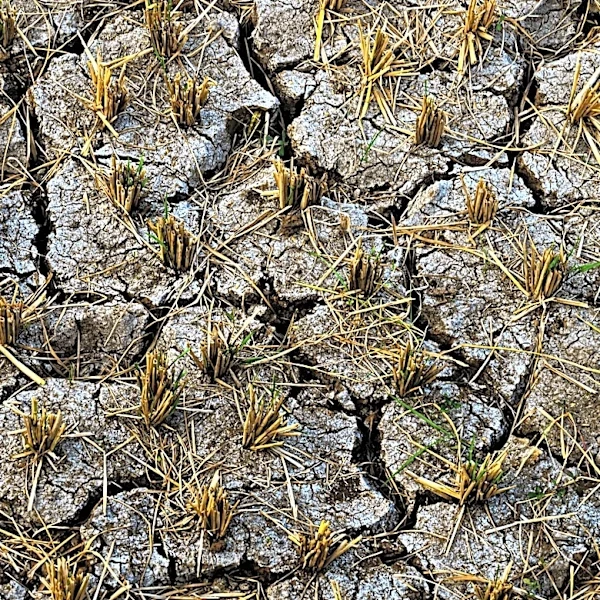
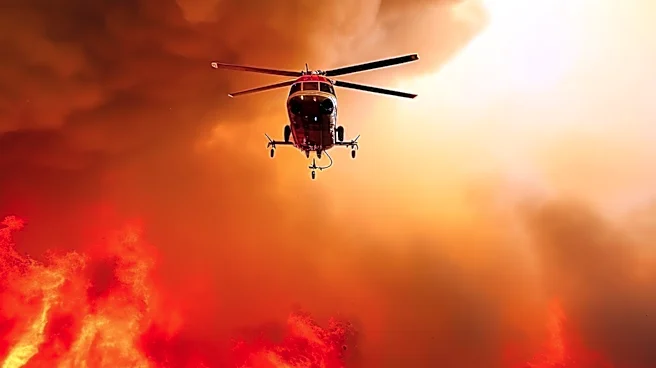
Recent wildfires fueled by extreme heat and dry conditions in Ontario, Canada, and northern Minnesota have resulted in significant smoke spreading across parts of the United States. This smoke contains fine particulates known as PM2.5, which are hazardous
to human health. These particles can penetrate deep into the lungs and bloodstream, causing inflammation and increasing the risk of heart attacks, strokes, and respiratory issues such as asthma. The Scripps Institution of Oceanography has found that wildfire smoke is up to ten times more harmful than other types of pollution, such as car exhaust. As a result, residents in affected areas are advised to stay indoors and take precautions to minimize exposure to the smoke.
Why It's Important?
The spread of wildfire smoke across the U.S. highlights the growing impact of climate-related events on public health. The presence of PM2.5 particles poses a significant health risk, particularly to individuals with pre-existing respiratory conditions. This situation underscores the need for effective public health strategies and emergency response plans to protect vulnerable populations. Additionally, the increased frequency and intensity of wildfires are a stark reminder of the broader implications of climate change, prompting discussions on environmental policies and the need for sustainable practices to mitigate future risks.
What's Next?
As the wildfires continue, air quality is expected to remain poor in affected areas. Residents are encouraged to monitor the Air Quality Index (AQI) and follow guidelines to reduce exposure, such as using air purifiers and wearing N95 masks when outdoors. Authorities may implement further advisories or restrictions to safeguard public health. In the long term, there may be increased advocacy for policies addressing climate change and its effects, as well as investments in infrastructure to better manage and respond to such environmental challenges.