
What's Happening?
A new study by the World Weather Attribution group has found that climate change has doubled the likelihood of extreme fire-weather conditions in Canada, particularly affecting Ontario and the Northwest
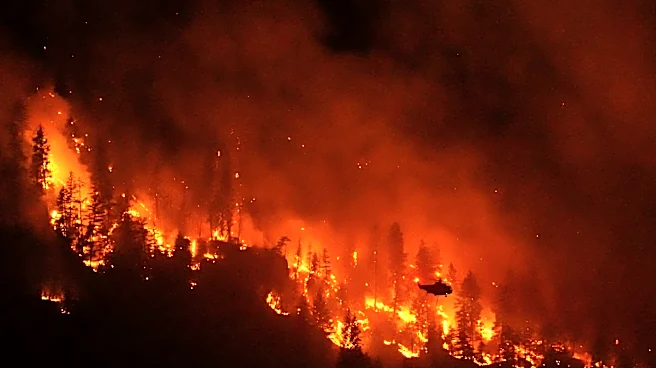
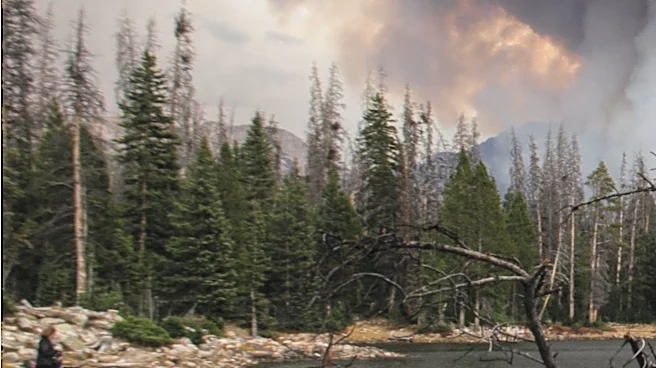
Territories. This summer's wildfires have been exacerbated by these conditions, leading to widespread smoke affecting millions in the U.S. Midwest and Northeast. The study highlights the role of human-induced climate change in increasing the frequency and intensity of such fires, which are expected to occur every two to six years in the Northwest Territories and every six to 15 years in Ontario.
Why It's Important?
The findings underscore the urgent need for global action to mitigate climate change and its impacts on wildfire frequency and severity. The increased likelihood of extreme fire weather poses significant challenges for firefighting efforts and public health, as smoke from these fires can lead to respiratory and cardiovascular issues. The study also emphasizes the importance of transitioning away from fossil fuels to reduce greenhouse gas emissions and protect vulnerable communities, including Indigenous populations who are disproportionately affected by wildfires.
What's Next?
The study's results may prompt policymakers to enhance climate adaptation strategies and invest in more robust firefighting resources. There could be increased pressure on governments to implement stricter emissions regulations and support renewable energy initiatives. Additionally, public awareness campaigns may be launched to educate communities about the risks of wildfires and the importance of climate action. Collaboration between countries could also be strengthened to address the transboundary impacts of wildfire smoke and develop coordinated response strategies.