








What's Happening?
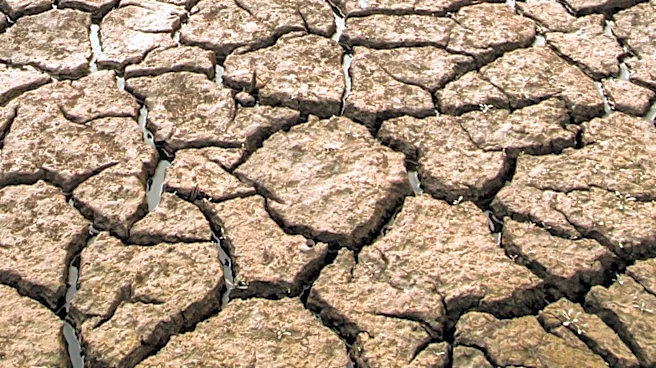
A recent study has found that climate change is exacerbating global drought conditions, which in turn is altering how water-dependent infectious diseases spread. This phenomenon, termed the 'drought-disease paradox,' occurs because as water sources shrink
or dry up, animals and pathogenic microorganisms become concentrated in the remaining water bodies. This increased proximity facilitates easier transmission of diseases. Researchers examined 100 previous studies focusing on aquatic diseases and discovered that while drought can hinder some water-dependent pathogens, it can paradoxically increase the risk of certain infectious diseases despite reduced water availability. The study highlights that annual drought affected approximately 30% of the globe's land surface in 2025, nearly doubling since 2000, and currently, a child dies every 90 seconds from a waterborne disease.
Why It's Important?
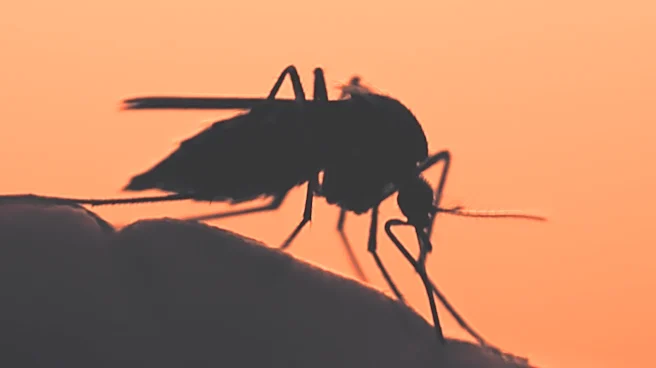
This research is critically important for global public health and environmental policy, particularly in the U.S., where drought conditions are also prevalent. The findings challenge the traditional understanding that less water automatically means fewer waterborne diseases. Instead, it reveals a complex ecological dynamic where water scarcity can create 'sweet spots' for disease transmission. This has significant implications for disease surveillance, prevention, and control strategies. For the U.S., understanding this paradox is vital for states experiencing recurrent droughts, as it could lead to unexpected outbreaks of diseases like West Nile or St. Louis encephalitis, which are carried by mosquitoes that can thrive in smaller, concentrated water pools. It also underscores the broader impact of climate change on human health, necessitating a more integrated approach to environmental and public health policies.
What's Next?
Scientists are now focused on understanding the intricate workings of the drought-disease paradox to better forecast and combat infectious disease outbreaks. This will involve tracking pathogen responses to drought and developing ecological approaches to curb transmission, such as introducing mosquito-eating dragonflies. The study suggests that a deeper understanding of how drought influences host-parasite interactions could help anticipate and mitigate future outbreaks, similar to how the reintroduction of river prawns helped control schistosomiasis in Senegal. For the U.S., this means a potential shift in public health strategies to account for these new disease transmission patterns, possibly including enhanced monitoring in drought-affected areas and the implementation of ecological interventions. The urgency is heightened by the projection that extreme wildfires may rise by up to 50% by 2100, further stressing ecosystems and potentially impacting disease vectors.
Beyond the Headlines
The drought-disease paradox reveals a profound and often overlooked consequence of climate change, highlighting how environmental shifts can trigger cascading effects across ecosystems and human societies. Beyond the immediate health implications, this phenomenon raises ethical questions about environmental justice, as vulnerable populations often bear the brunt of both climate impacts and disease outbreaks. It also underscores the need for interdisciplinary research, combining climatology, ecology, and epidemiology, to develop comprehensive solutions. The concept of 'ecological solutions,' such as reintroducing natural predators, points towards a more holistic approach to environmental management that leverages natural processes rather than solely relying on technological fixes. This deeper understanding could fundamentally reshape how we perceive and respond to the intertwined crises of climate change and public health.