






What's Happening?
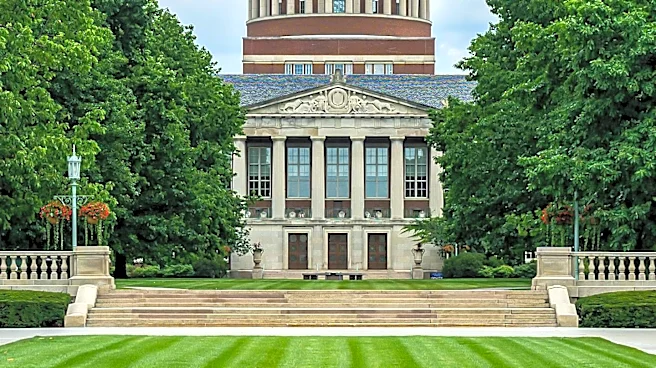
Researchers from the University of Rochester and NVIDIA have developed new models, PixelDiT and PixelDiT2, that significantly improve AI image generation by providing pixel-level control. This advancement addresses a common issue with current AI text-to-image
generators, where attempts to fix a small detail often unintentionally alter unrelated parts of the image. Most state-of-the-art AI image generators use diffusion models in latent space, which compress concepts for efficiency but limit precise control. The new PixelDiT models operate in pixel space, allowing users to make targeted adjustments to specific regions, such as altering the color of a car or fixing details on a person's glasses, without affecting other elements. PixelDiT was recognized as a best paper finalist at the 2026 IEEE/CVF Conference on Computer Vision and Pattern Recognition (CVPR), and the more powerful PixelDiT2 will be presented at the Neural Information Processing Systems conference (NeurIPS) in December. The team is now focusing on applying this pixel-space approach to AI video generation.
Why It's Important?
This breakthrough in AI image generation is crucial for creative industries, digital content creation, and any field relying on visual media. By enabling precise, pixel-level control, the new models empower users to achieve their exact artistic and functional visions without the frustration of unintended alterations. This enhanced controllability can significantly streamline workflows for graphic designers, artists, marketers, and developers who use AI tools. It moves AI image generation from a more generalized, concept-based output to a highly refined, detail-oriented process, making AI a more reliable and versatile tool for professional applications. The ability to fine-tune images with accuracy also reduces the need for extensive post-generation editing, saving time and resources. Furthermore, the potential extension to video generation could revolutionize film production, animation, and virtual reality content creation, offering unprecedented levels of control over dynamic visual elements.
What's Next?
The immediate next step for the research team is to present PixelDiT2 at the NeurIPS conference in December, further disseminating their findings to the AI community. Following this, their primary focus will shift to applying the pixel-space diffusion model to AI video generation. This endeavor presents greater challenges due to the need for smooth frame-to-frame transitions and the larger data volumes involved. If successful, this could lead to AI tools that offer granular control over video content, similar to the current advancements in image generation. Commercial applications of PixelDiT2 are likely to emerge, with potential integration into existing AI image generation platforms or as standalone tools for specialized creative tasks. The ongoing development will aim to further optimize performance and efficiency, making these advanced control capabilities more accessible to a wider range of users.
Beyond the Headlines
The development of pixel-level control in AI image generation signifies a deeper evolution in human-AI collaboration within creative fields. It moves AI from being a mere generator of content to a more precise and responsive creative partner. This enhanced control could democratize high-quality visual content creation, allowing individuals and smaller studios to produce sophisticated imagery that previously required extensive technical skills or resources. Ethically, this precision also raises questions about the ease of creating highly convincing but fabricated visual evidence, potentially exacerbating concerns around deepfakes and misinformation. On the other hand, it could also empower creators to push artistic boundaries, leading to new forms of visual expression. The long-term impact will likely involve a redefinition of creative workflows, where AI handles the heavy lifting of generation while human artists retain ultimate, precise control over the final output, fostering a more symbiotic relationship between human creativity and artificial intelligence.