








What's Happening?
Despite a ceasefire agreement between the U.S. and Iran, attacks have continued across the Gulf region. Reports indicate that Iranian drones and missiles have targeted several Gulf states, causing damage to oil facilities and infrastructure. Additionally,
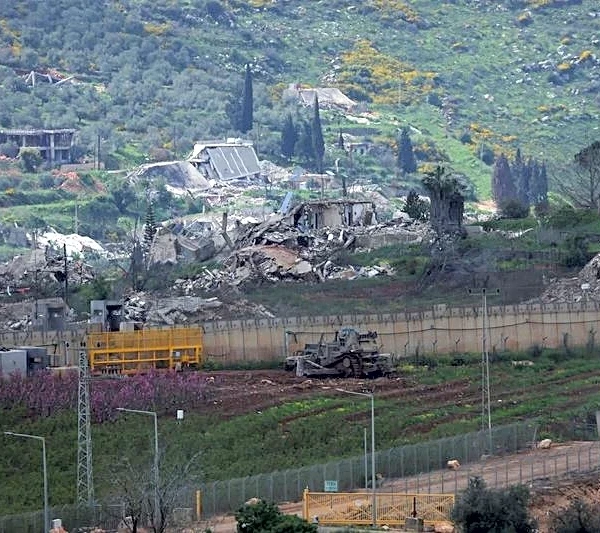
Israel has launched airstrikes in Lebanon, further escalating tensions. The ceasefire was intended to halt hostilities and open the Strait of Hormuz for safe passage, but the ongoing attacks suggest that the agreement is not holding. The situation remains volatile, with both sides maintaining high demands and military readiness.
Why It's Important?
The failure of the ceasefire to stop attacks in the Gulf highlights the complexities of achieving peace in the region. The continued hostilities pose significant risks to regional stability and global oil markets, as the Strait of Hormuz is a critical passage for oil shipments. The situation also affects U.S. foreign policy, as it navigates its role in the conflict and its relations with Iran and Israel. The ongoing tensions could lead to further military engagements and impact diplomatic efforts to resolve the conflict, with potential consequences for international security and economic stability.