



What's Happening?
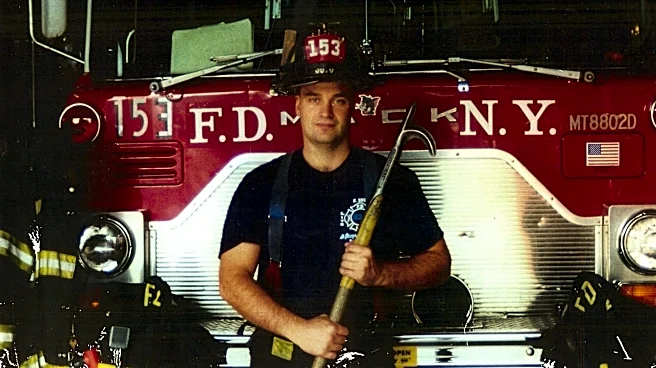
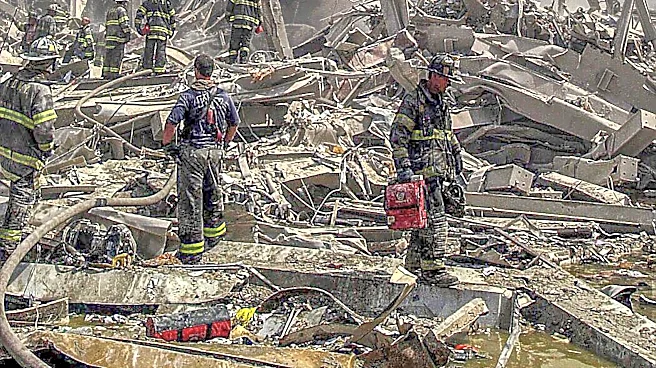
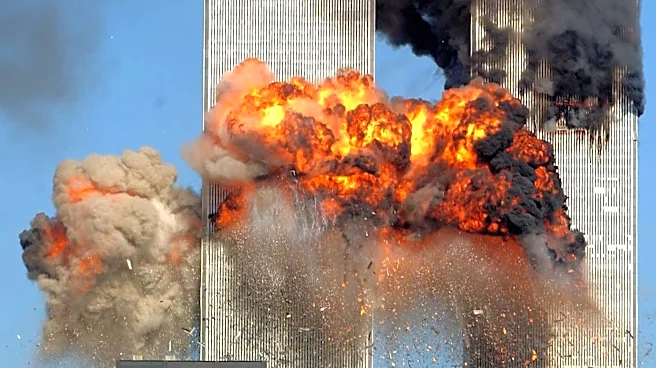
Tara Bane, a Pennsylvania resident, has released a new memoir recounting her experience of losing her husband, Michael, during the September 11th terrorist attacks. At the time of the tragedy, Bane was 29 years old. Her book shares her personal story
and the impact of the events on her life. The memoir provides an intimate look into the aftermath of 9/11 from the perspective of a young widow.
Why It's Important?
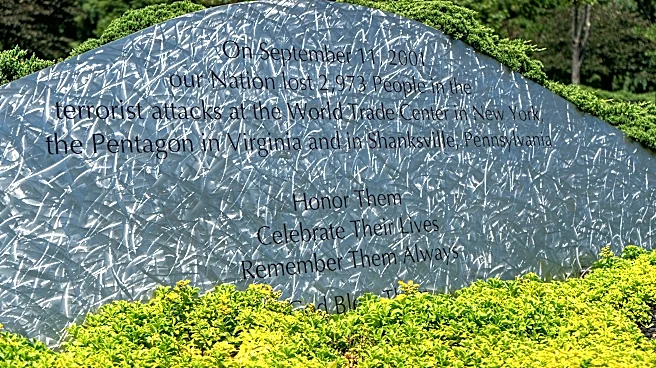
This memoir is important as it contributes to the ongoing historical record and personal narratives surrounding the 9/11 attacks. It offers a human-centered perspective on a national tragedy, allowing readers to connect with the profound personal losses experienced by thousands of Americans. Such accounts help to preserve the memory of those who died and the enduring impact on their families and communities. For many, these personal stories serve as a reminder of the resilience required to navigate unimaginable grief and rebuild lives in the wake of such devastating events. The publication of this memoir ensures that the individual stories of 9/11 victims and their families continue to be heard and remembered, fostering empathy and understanding across generations.
What's Next?
The memoir's release is likely to generate discussions and reflections on the 9/11 attacks, particularly as the anniversary approaches. It may prompt media interviews with Tara Bane, offering her a platform to share her story more widely and engage with audiences. The book could also be incorporated into educational curricula or discussions about historical events and personal resilience. Furthermore, the memoir might inspire other individuals affected by 9/11 or similar tragedies to share their own experiences, contributing to a broader collection of personal histories. Its impact will extend to readers seeking to understand the human cost of such events and the long-term process of healing and remembrance.
Beyond the Headlines
Beyond the immediate narrative of loss, Tara Bane's memoir delves into the long-term psychological and emotional repercussions of national tragedies on individuals and families. It highlights the often-overlooked journey of grief, healing, and rebuilding a life after such a profound and public loss. The book likely explores themes of resilience, memory, and the way personal identity is shaped by traumatic events. It also implicitly touches upon the collective memory of 9/11 in American society and how individual stories contribute to and challenge that collective narrative. The memoir serves as a testament to the enduring human spirit and the complex process of finding meaning and moving forward in the face of immense sorrow, offering a deeper understanding of the human experience beyond the headlines of the event itself.