





What's Happening?
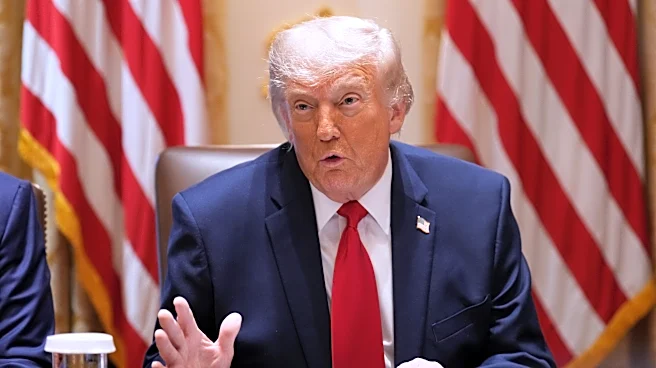
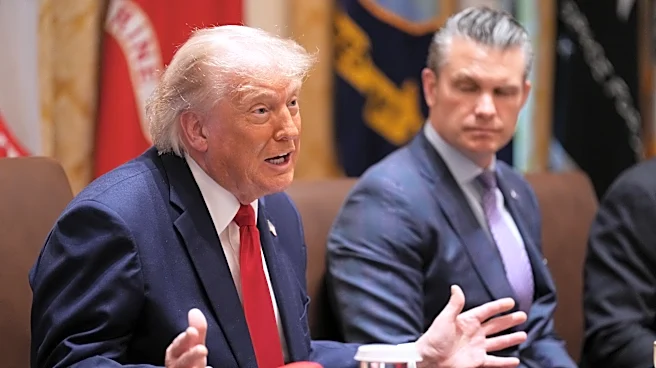
Iran's enriched uranium stockpile is a major point of contention in ongoing negotiations between the U.S. and Iran. President Trump has demanded that Iran relinquish its 'nuclear dust,' while Iran insists on its right to a non-weapons nuclear program.
The stockpile, which includes nearly 1,000 pounds of uranium enriched to 60%, is enough for 10 nuclear weapons, according to international inspectors. The U.S. and Iran are reportedly close to a ceasefire agreement, but the fate of the uranium remains unresolved. Experts warn that Iran could further enrich the uranium to weapons-grade purity within weeks if it has the necessary facilities.
Why It's Important?
The negotiations over Iran's nuclear stockpile are critical to regional and global security. The potential for Iran to develop nuclear weapons poses a significant threat, and the U.S. aims to prevent this through diplomatic means. The outcome of these talks could influence U.S. foreign policy and its approach to nuclear non-proliferation. Additionally, the negotiations have implications for U.S. relations with allies in the Middle East, particularly Israel, which views Iran's nuclear capabilities as a direct threat.
What's Next?
Future negotiations will likely focus on the removal or neutralization of Iran's enriched uranium. Options include converting the uranium to a more stable form or downblending it to reduce its enrichment level. The U.S. may also seek international cooperation to monitor and verify the process. The success of these efforts will depend on Iran's willingness to cooperate and the ability of the international community to enforce compliance. The situation remains complex, with potential for further diplomatic and military developments.