






What's Happening?
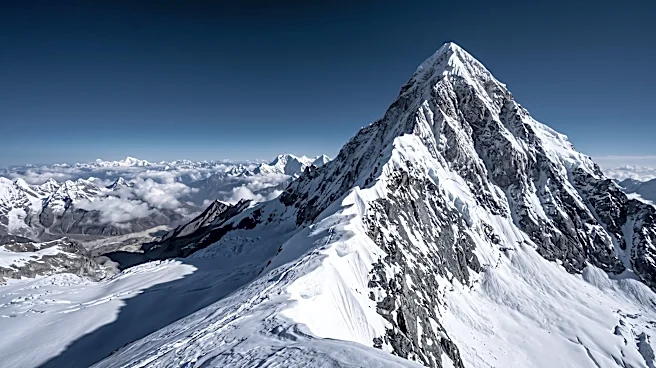
A study analyzing mountaineering deaths between 1921 and 2006 on Mount Everest revealed that trauma and non-traumatic high-altitude illness, including hypothermia and sudden death, are significant causes of fatalities. Specifically, 113 deaths were attributed
to trauma, while 52 deaths resulted from non-traumatic high-altitude illness, hypothermia, or sudden death. Additionally, 27 climbers disappeared and were never found during this period. This data highlights the diverse risks faced by mountaineers, ranging from immediate physical injuries to physiological challenges posed by extreme altitudes. The research emphasizes that the causes of death can vary significantly depending on the specific mountain, activity, and conditions, making it difficult to establish a single 'number-one killer' across all mountaineering contexts. For instance, while falls dominate fatality records in ordinary Alpine mountaineering, avalanche and serac collapse are more prevalent in mass-casualty disasters. At extreme altitudes, such as above 8,000 meters, factors like exhaustion and the descent phase become critically dangerous.
Why It's Important?
Understanding the primary causes of mountaineering deaths is crucial for improving safety protocols and training for climbers, particularly those undertaking expeditions in high-altitude environments. The distinction between traumatic and non-traumatic causes, such as high-altitude illness and hypothermia, informs the development of specialized medical preparedness and rescue strategies. For U.S. mountaineering organizations and outdoor enthusiasts, this information can lead to more effective pre-expedition health screenings, better acclimatization guidelines, and enhanced awareness of the symptoms of altitude sickness. It also underscores the importance of comprehensive risk assessment, including evaluating the specific terrain, weather conditions, and the physical and mental readiness of climbers. By recognizing that descent is often the most dangerous phase, training programs can focus on maintaining concentration and physical reserves during the return journey. This knowledge can ultimately reduce fatalities and severe injuries, impacting the U.S. outdoor recreation industry and the safety standards for adventure tourism.
What's Next?
Moving forward, mountaineering organizations and medical professionals will likely continue to refine safety guidelines and educational programs based on such detailed analyses of fatalities. This could involve developing more advanced predictive models for altitude sickness, improving communication systems for remote expeditions, and enhancing the training of guides and climbers in emergency medical procedures specific to high-altitude environments. There may also be a push for more standardized international data collection on mountaineering accidents to allow for broader and more accurate statistical analysis, which could further inform prevention strategies. Additionally, equipment manufacturers might innovate new gear designed to mitigate risks associated with trauma and extreme cold. The focus will remain on proactive measures, including thorough planning, gradual acclimatization, and conservative decision-making, especially during the descent phase, to minimize the inherent dangers of mountaineering.
Beyond the Headlines
The insights into mountaineering fatalities extend beyond immediate safety measures, touching upon the psychological and ethical dimensions of extreme sports. The high number of disappearances, for instance, highlights the profound challenges of search and rescue in remote, hostile environments and the emotional toll on families. The emphasis on non-traumatic causes like hypothermia and sudden death also brings to light the subtle yet deadly physiological stresses that the human body endures at extreme altitudes, prompting deeper research into human resilience and vulnerability in such conditions. This understanding can influence public perception of mountaineering, shifting it from purely an athletic endeavor to one that requires a profound respect for environmental limits and human physiology. Furthermore, the data underscores the ethical responsibilities of expedition leaders and the broader mountaineering community to prioritize safety over summit aspirations, fostering a culture of caution and mutual support in the face of extreme risks.