






What's Happening?
AI chatbots are increasingly being utilized by men to address mental health concerns, providing a judgment-free space for discussing emotions. This trend is particularly significant given that men traditionally seek mental health treatment at lower rates
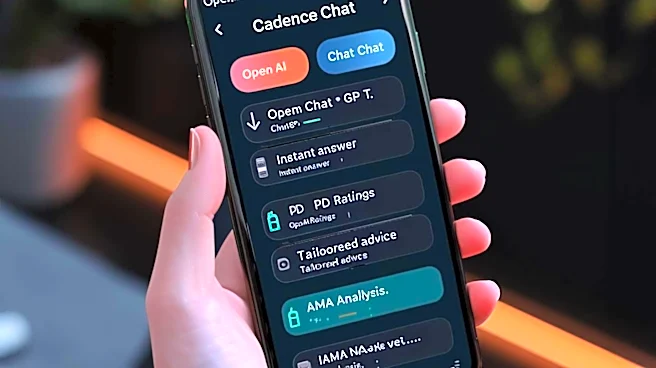
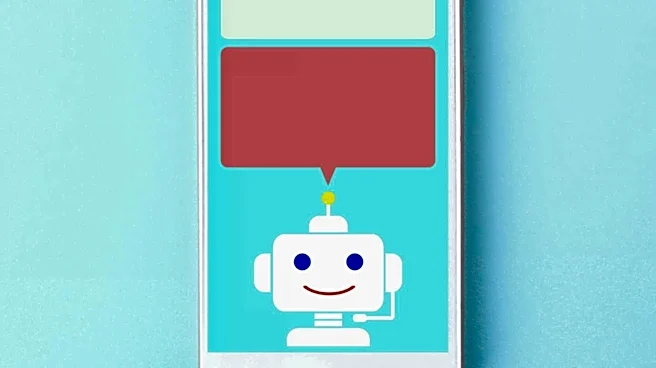
than women, often due to cultural stigma and a reluctance to appear vulnerable. These AI tools offer anonymity, 24/7 availability, and a non-human interface, which many men find less intimidating than face-to-face conversations. Users can engage in dialogue about their feelings, stressors, and mental states through text-based interfaces, receiving basic coping strategies. Mental health advocates view these chatbots as potential entry points to professional care, rather than replacements for licensed therapists, especially for men hesitant to pursue traditional therapy.
Why It's Important?
This development is important because it addresses a significant public health challenge: the underutilization of mental health services by men. By offering an accessible and anonymous platform, AI chatbots can help overcome traditional barriers such as fear of judgment and discomfort with emotional expression, which often prevent men from seeking help. This could lead to earlier intervention and improved mental health outcomes for a demographic disproportionately affected by suicide. However, it also highlights the critical distinction between AI support and professional therapy. While chatbots can facilitate initial conversations and provide basic coping mechanisms, they lack the capacity for diagnosis, medication management, crisis intervention, or the nuanced empathy of a human therapist. Therefore, their role as a supplementary tool, guiding users towards professional care, is crucial.
What's Next?
The adoption of AI chatbots for mental health support is expected to continue growing, particularly among younger male demographics. Future developments will likely focus on refining the AI's ability to engage users effectively and provide more sophisticated, yet still supplementary, support. There will be an ongoing need to clearly communicate the limitations of these tools and to establish seamless pathways for users to transition to human therapy when appropriate. Regulatory bodies will also face the challenge of developing consistent frameworks to ensure the safety, efficacy, and ethical use of AI in mental health, particularly concerning data privacy and the accuracy of information provided. Healthcare systems may explore integrating these tools as part of a broader strategy to improve mental health access and engagement.
Beyond the Headlines
The integration of AI chatbots into mental health support for men carries broader implications for societal norms around masculinity and emotional expression. By offering a private and non-judgmental space, these tools could gradually erode the stigma associated with men discussing their feelings, fostering a culture where seeking help is more accepted. However, there are ethical considerations regarding the potential for over-reliance on AI, which might inadvertently delay or replace necessary human connection and professional intervention. The legal landscape surrounding AI in healthcare is still nascent, raising questions about accountability in cases of misguidance or data breaches. Culturally, the widespread use of AI for emotional support could reshape how individuals perceive and engage with their own mental health, potentially leading to a more proactive approach to well-being, but also requiring careful navigation to ensure genuine human connection remains central to mental health care.