




What's Happening?
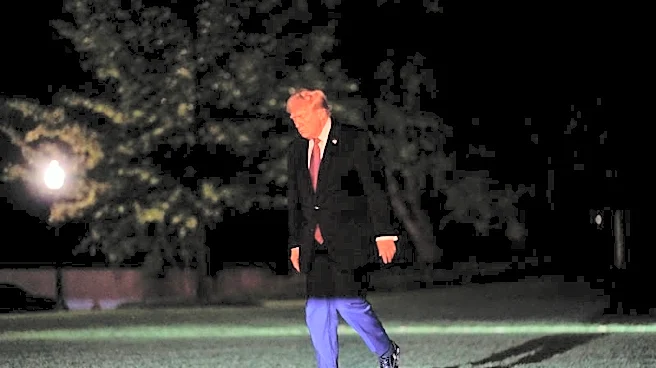
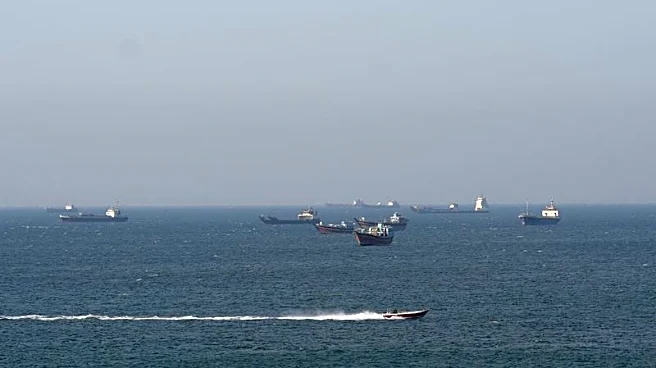
Iran has reinstated restrictions on the Strait of Hormuz, a crucial maritime passage, accusing the United States of violating an agreement to reopen it. This move comes after the U.S. maintained its blockade on Iran-linked shipping, despite Iran's initial
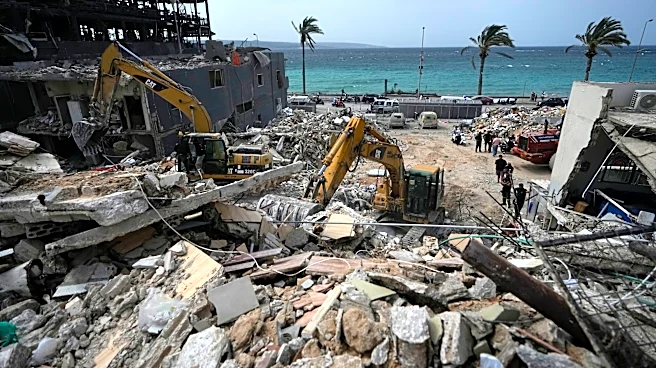
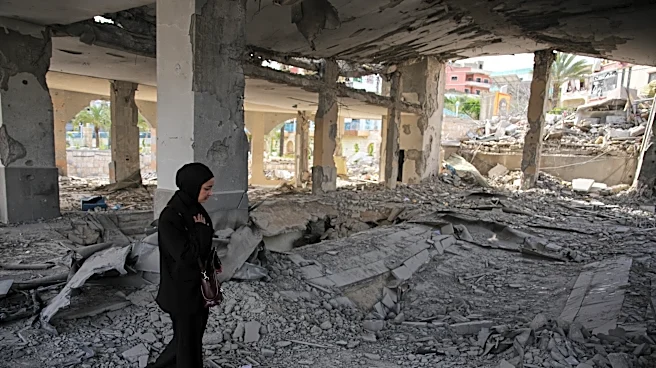
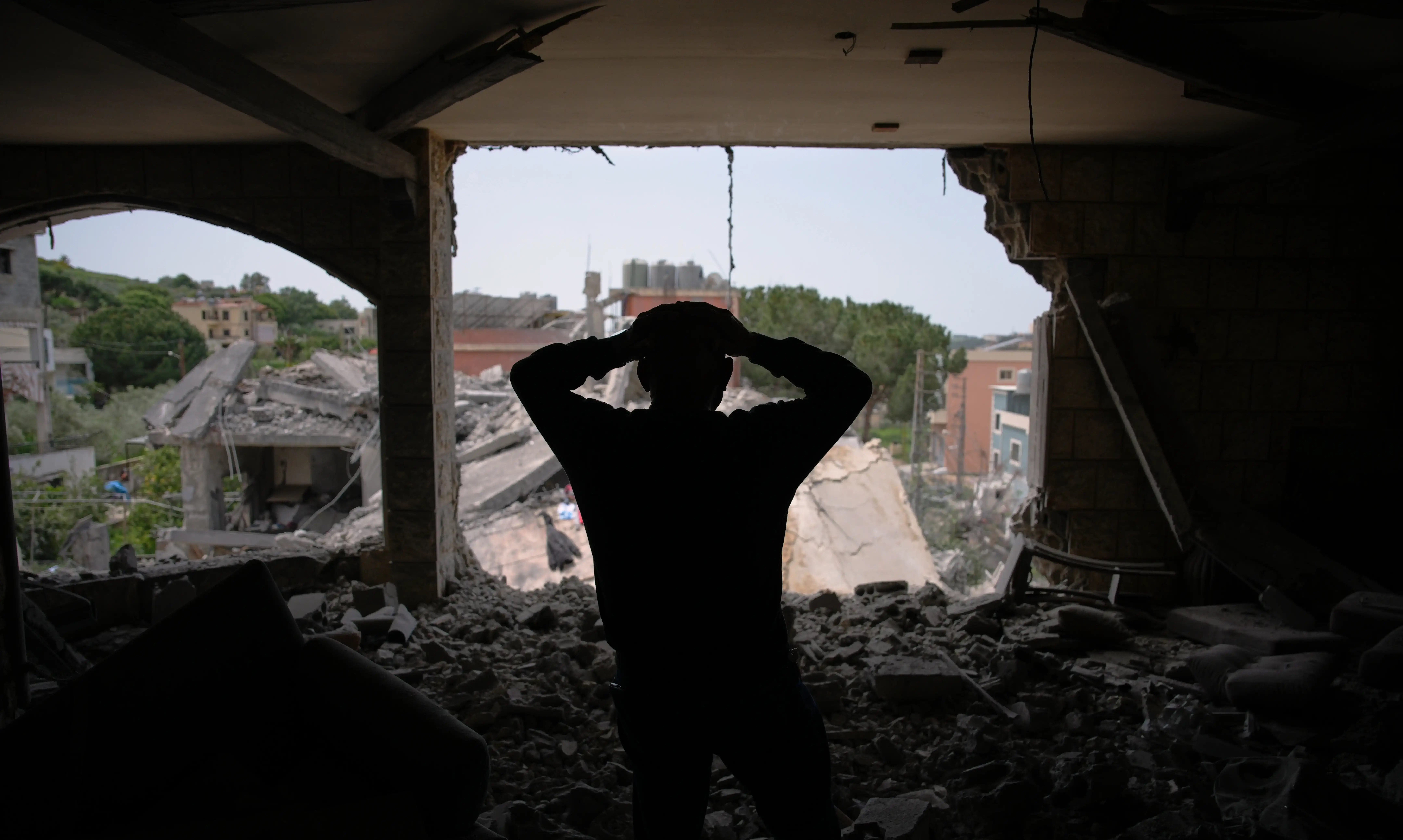
reopening of the strait. The Iranian military has declared that control of the strait has returned to its previous state under strict management. This development threatens to exacerbate the global energy crisis, as the strait is a vital conduit for oil shipments. The situation is further complicated by ongoing conflicts in the region, including a ceasefire in Lebanon that remains fragile.
Why It's Important?
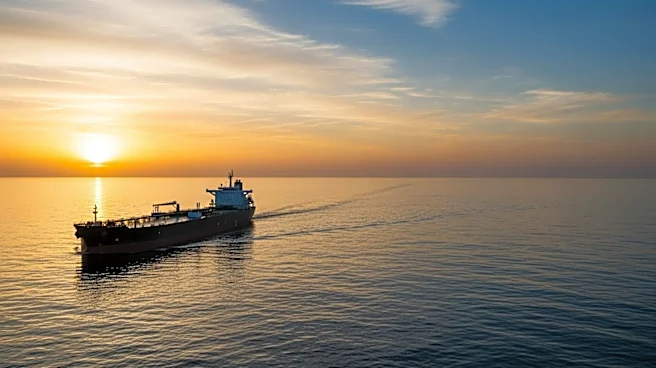
The Strait of Hormuz is a strategic chokepoint through which a significant portion of the world's oil supply passes. Its closure could lead to a spike in global oil prices, affecting economies worldwide. The U.S. blockade and Iran's response highlight the ongoing tensions between the two nations, with potential implications for international diplomacy and regional stability. The situation underscores the delicate balance of power in the Middle East and the potential for conflict to disrupt global markets and energy supplies.
What's Next?
Diplomatic efforts are underway to resolve the standoff, with Pakistan playing a mediating role. The upcoming ceasefire deadline in Lebanon could influence negotiations, as regional stability is a key factor in reaching an agreement. The international community will be watching closely to see if a resolution can be reached before the situation escalates further. The outcome of these negotiations will have significant implications for global energy markets and geopolitical relations.