







What's Happening?
For the first time, a cargo of oil from the U.S. Strategic Petroleum Reserve has been sent to California, as reported by ship tracking service Kpler. This move comes in response to disruptions in Middle Eastern crude supplies due to ongoing conflicts,
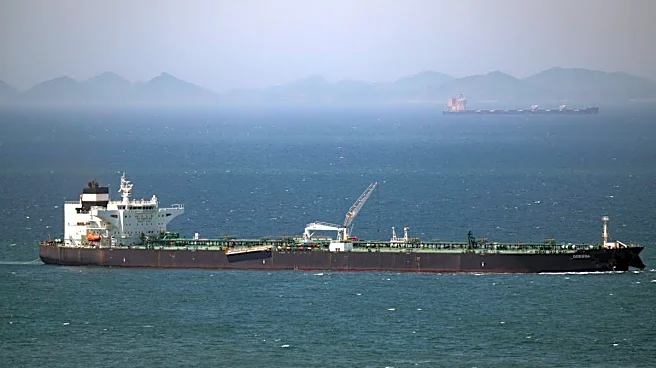
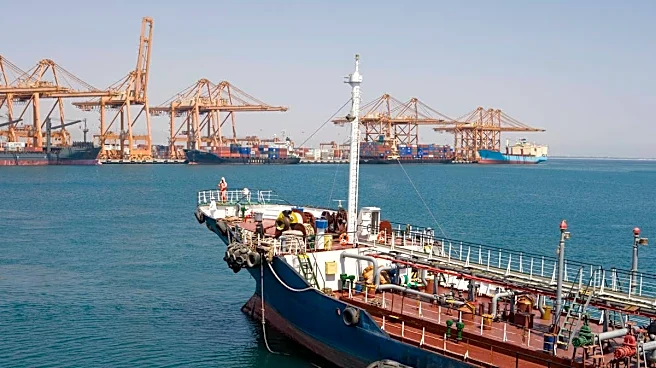
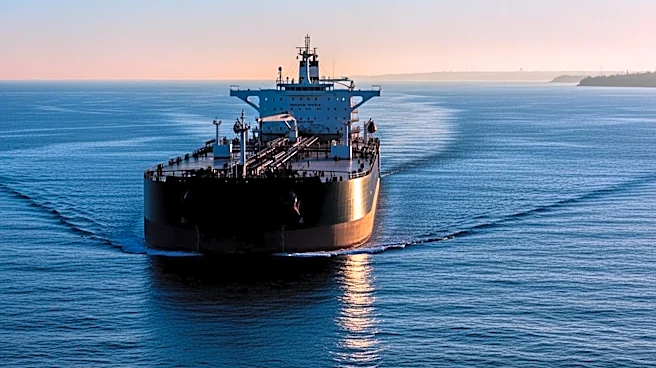
notably the Iran war. California, historically a significant oil producer, has increasingly relied on crude imports, receiving approximately 230,000 barrels per day from the Middle East last year. The shipment included about 460,000 barrels of Bayou Choctaw Sweet crude destined for Chevron's Richmond refinery and an additional 50,000 barrels for the El Segundo refinery. The oil was initially loaded onto the supertanker Red Moon in Louisiana and later transferred to smaller vessels for delivery to California refineries. Chevron, the seller of the cargo, utilized a Jones Act waiver to facilitate the movement of crude from the Gulf Coast to the West Coast.
Why It's Important?
This development underscores the shifting dynamics in global oil trade routes and the strategic use of the U.S. petroleum reserves to mitigate supply disruptions. The reliance on the Strategic Petroleum Reserve highlights the vulnerability of California's energy supply chain to geopolitical tensions in the Middle East. The move also reflects broader trends in energy security and the need for diversified supply sources. For U.S. refineries, particularly in California, this could mean increased operational stability in the short term. However, it also raises questions about long-term energy strategies and the potential need for increased domestic production or alternative energy sources.
What's Next?
The continued use of the Strategic Petroleum Reserve to address supply disruptions may prompt further policy discussions on energy security and strategic reserves management. Stakeholders, including government agencies and energy companies, might explore additional measures to enhance supply chain resilience. The situation could also influence future legislative actions regarding energy independence and infrastructure investments to support alternative energy sources.