





What's Happening?
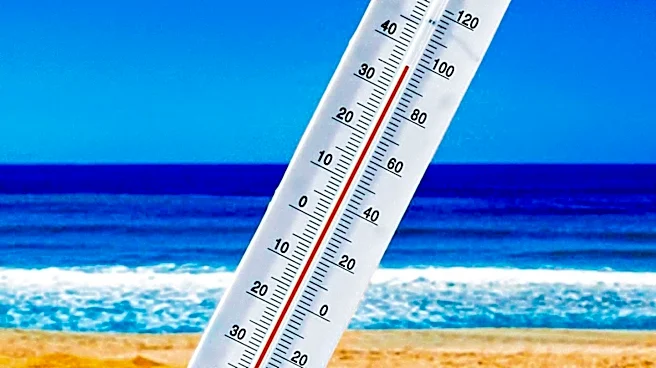
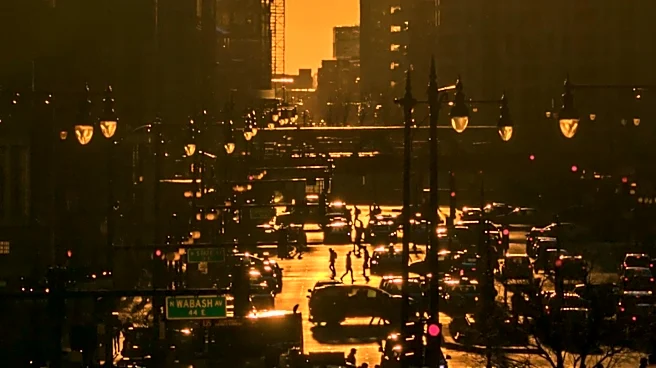
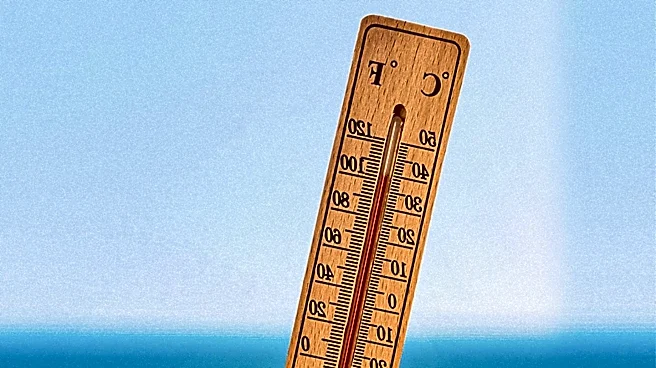
A severe heat wave in Chicago has resulted in the deaths of at least three residents on the South Side, as reported by the Cook County medical examiner's office. The victims, who passed away on Saturday, were found to have underlying health conditions
such as hypertension, diabetes, and obesity, which were exacerbated by the extreme heat. The medical examiner's office ruled the death of one man in the Chicago Lawn neighborhood as accidental due to heatstroke. This tragic event highlights the ongoing challenges faced by vulnerable populations during extreme weather conditions. The heat wave has also coincided with other significant events in the city, including a new mayoral candidacy announcement and the return of the Taste of Chicago festival.
Why It's Important?
The deaths underscore the critical impact of extreme weather on public health, particularly for individuals with pre-existing health conditions. This situation raises concerns about the adequacy of current public health measures and emergency response systems in protecting vulnerable populations during heat waves. The incident also highlights the broader implications of climate change, as increasing temperatures and more frequent heat waves pose significant risks to urban populations. The city's response to such events will be crucial in mitigating future health crises and ensuring the safety of its residents. Additionally, the timing of these deaths during a period of political and social activity in Chicago may influence public discourse on climate resilience and urban planning.
What's Next?
In response to the heat wave and its consequences, city officials may need to reassess and enhance their emergency preparedness and public health strategies. This could involve increasing public awareness campaigns about the dangers of heat exposure, especially for at-risk groups, and improving access to cooling centers and other resources. The situation may also prompt discussions among policymakers and community leaders about long-term strategies to address climate change and its effects on urban environments. As the city prepares for future extreme weather events, collaboration between government agencies, healthcare providers, and community organizations will be essential to protect public health and safety.