







What's Happening?
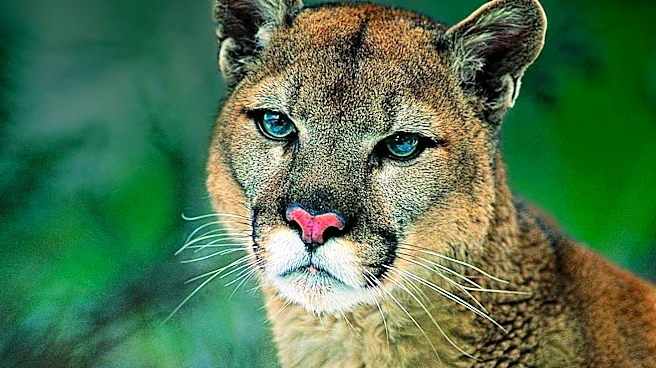
The Illinois Department of Natural Resources (DNR) has noted a rare but increasing number of mountain lion sightings in Illinois, with a recent sighting in southern Illinois marking only the 12th confirmed instance since 2002. Five of these 12 sightings have
occurred since 2022, indicating a relative increase in their presence over the past four years. Chris Jacques, Ph.D., Wildlife Disease, Large Carnivore, and Invasive Species Program Manager at the Illinois DNR, confirmed that the most recent sighting was initially reported in late August via a trail camera photo from a landowner in Jackson County. Subsequent verified sightings in September, including additional trail camera footage and video, tracked the animal moving in a circular pattern around the Carbondale area, approximately 8 to 10 miles south of Carbondale, within the Shawnee National Forest region. Jacques attributes part of the increased reporting to the widespread use of trail cameras by hunters, which makes it easier to observe and document these elusive animals. He also clarified that mountain lions, cougars, and pumas are all terms for the same species, *Puma concolor*, which is the largest cat in North America and has the widest geographic range of any native non-human animal in the Western Hemisphere.
Why It's Important?
The increasing presence of mountain lions in Illinois signifies a potential shift in wildlife distribution and ecological dynamics within the state. Historically, mountain lions were extirpated from Illinois, and their return, even as transient individuals, suggests possible habitat connectivity and dispersal from established populations in other states, such as the Black Hills of South Dakota. This phenomenon raises important questions about conservation efforts, wildlife management strategies, and public safety. The Illinois DNR's monitoring efforts are crucial for understanding these dispersal patterns and for educating the public on how to react to such encounters. The public's role in reporting sightings, facilitated by modern technology like trail cameras, is vital for accurate data collection. The return of apex predators can have significant ecological impacts, potentially influencing prey populations and ecosystem health. For residents, it necessitates an increased awareness of wildlife interactions and adherence to guidelines for coexisting with large carnivores, highlighting the evolving relationship between human populations and natural environments in the Midwest.
What's Next?
The Illinois Department of Natural Resources will continue to monitor mountain lion movements and sightings across the state. Chris Jacques encourages the public to report any observations to the DNR website, emphasizing that such reports are crucial for tracking these animals. The DNR will likely focus on public education campaigns to inform residents about mountain lion behavior, safety protocols during encounters, and the importance of not approaching these wild animals. Further genetic analysis of confirmed sightings may be conducted to determine the origin of these dispersing individuals, which has previously linked some to the Black Hills of South Dakota. As the use of trail cameras continues to grow, the number of reported sightings may also increase, providing more data for wildlife biologists. The DNR will also need to consider potential management strategies if a resident population were to establish itself, which would involve balancing conservation goals with public safety concerns. The ongoing presence of mountain lions, along with other large carnivores like black bears and wolves, suggests a need for adaptive wildlife management policies in Illinois.
Beyond the Headlines
The reappearance of mountain lions in Illinois, alongside other large carnivores, points to a broader ecological trend of wildlife recovery and dispersal in areas where they were once absent. This phenomenon challenges traditional perceptions of wilderness and human-wildlife boundaries, particularly in a densely populated state like Illinois. It raises ethical questions about cohabitation with apex predators and the value placed on biodiversity versus perceived risks. The public's varied reactions, from concern for safety to enthusiasm for their return, highlight a societal debate about conservation and the role of humans in managing natural ecosystems. This situation also underscores the impact of human infrastructure, such as roads and railways, on wildlife movement, as many dispersing animals face risks like roadkill. The long-term implications could include changes in local ecosystems, such as deer populations, and a renewed focus on creating wildlife corridors and protected areas to facilitate safe movement. Ultimately, the return of these animals serves as a powerful reminder of nature's resilience and the ongoing need for informed, adaptive conservation strategies in an increasingly human-dominated landscape.