
What's Happening?
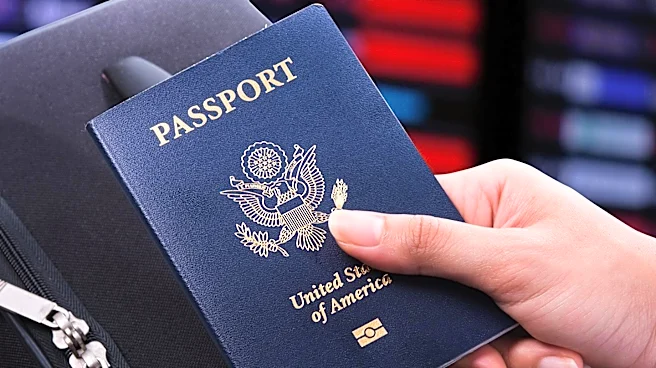
U.S. immigrant visa processing is not uniform across all visa-issuing posts, with each consulate having distinct procedures, document requirements, and communication methods. For applicants in Guangzhou,
Hong Kong, and Taipei, local laws significantly influence the validity of marriages, divorces, adoptions, and parent-child relationships for U.S. immigration purposes. Specific issues arise, such as the requirement for notarial birth certificates in mainland China, the ineligibility of certain Communist Party members under the U.S. Immigration and Nationality Act, and unique police certificate procedures in Hong Kong. In Taiwan, specific household registration transcripts are required instead of ordinary birth certificates, and the validity of marriages and divorces is date-sensitive, impacting eligibility. These regional variations necessitate a detailed understanding of both U.S. federal immigration law and local legal frameworks to navigate the application process successfully.
Why It's Important?
The varying procedures and local legal interpretations at U.S. consulates in Guangzhou, Hong Kong, and Taipei create significant complexities for individuals seeking immigrant visas. This impacts U.S. citizens and lawful permanent residents petitioning for family members, as well as individuals seeking employment-based visas, by introducing potential delays or denials based on regional specificities. For instance, the bar on certain Communist Party members affects a broad demographic in China, potentially limiting family reunification or skilled immigration to the U.S. The reliance on local documentation, such as specific birth or marriage certificates, means that applicants must meticulously adhere to regional administrative requirements, which can be challenging without specialized legal guidance. These differences underscore the need for applicants to be well-informed about the specific demands of their processing post to avoid common pitfalls and ensure a smoother application process.
What's Next?
Applicants for U.S. immigrant visas in Guangzhou, Hong Kong, and Taipei will continue to face these specific local requirements and procedural nuances. Future applicants will need to ensure they are fully aware of the documentation unique to their region, such as the notarial birth certificate for mainland China or the Household Registration Transcript for Taiwan. Individuals with past affiliations with the Communist Party will need to assess their eligibility carefully, considering potential exceptions or waivers. Furthermore, ongoing changes in local laws or consulate procedures could introduce new requirements, necessitating continuous monitoring by applicants and legal professionals. The emphasis will remain on precise adherence to both U.S. immigration law and the specific demands of the processing consulate to successfully obtain an immigrant visa.
Beyond the Headlines
The localized variations in U.S. immigrant visa processing highlight a broader tension between standardized federal immigration law and the practicalities of international legal and administrative systems. This decentralized application process can lead to disparities in access and outcomes for visa applicants based on their geographic location, potentially raising questions about equity in the immigration system. The strict scrutiny of affiliations, such as Communist Party membership, also reflects geopolitical considerations embedded within immigration policy, impacting individuals' ability to relocate based on past associations rather than solely on individual merit or family ties. Moreover, the reliance on specific local documents underscores the cultural and bureaucratic differences that U.S. immigration policy must navigate, creating a complex web of requirements that can be challenging for individuals unfamiliar with both legal systems.