





What's Happening?
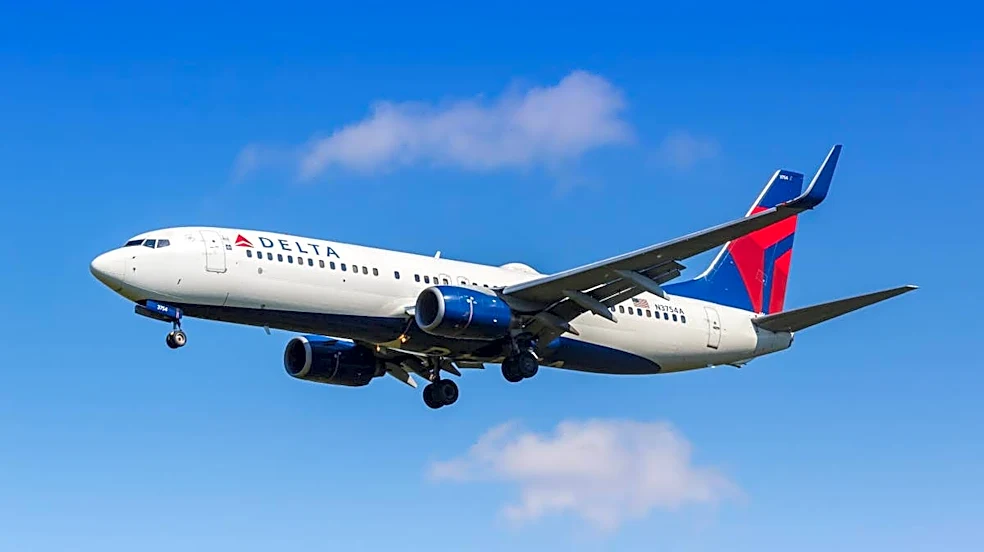
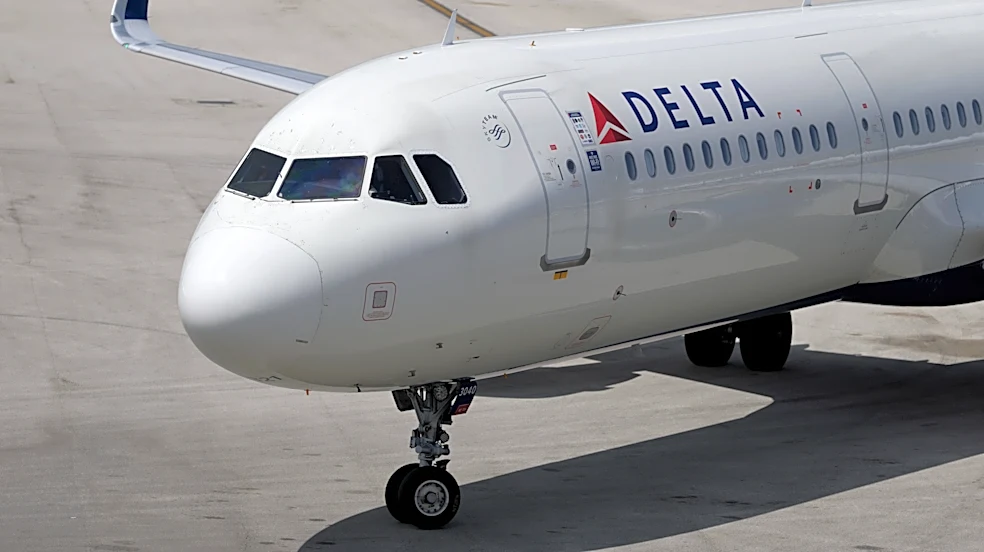
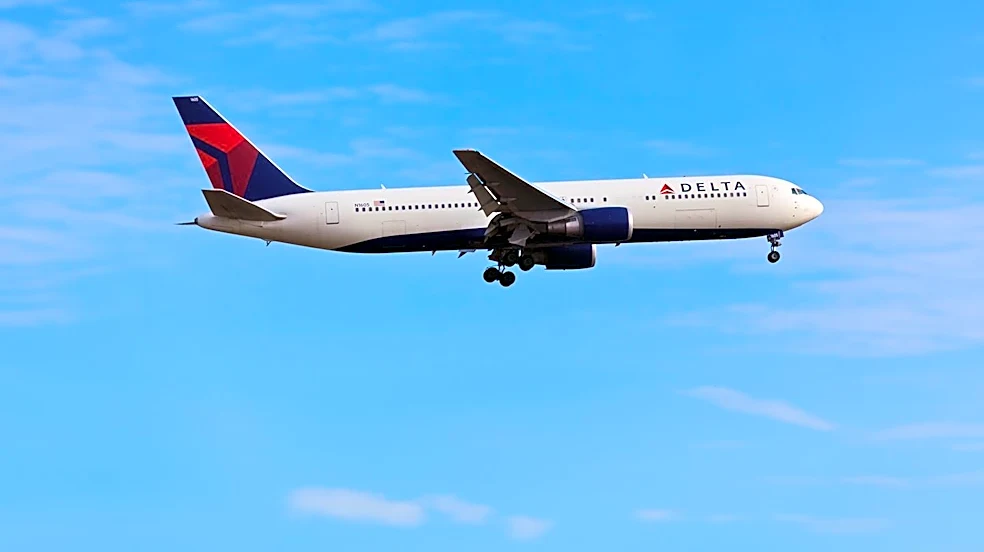
A Delta Air Lines flight attendant has garnered widespread praise on social media for his compassionate handling of a mother's request for a free business-class upgrade for her teenage son. The incident, detailed in a viral Reddit post on the r/delta
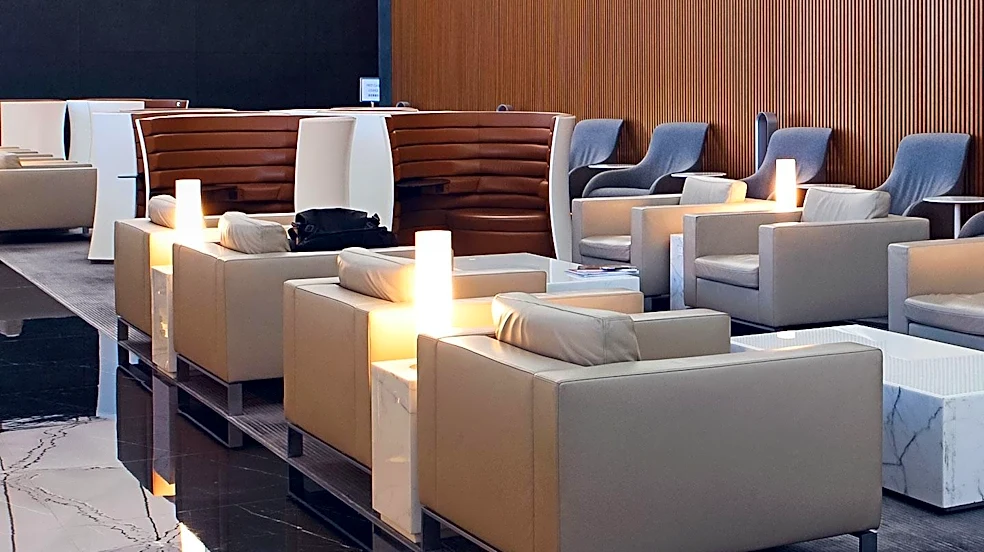
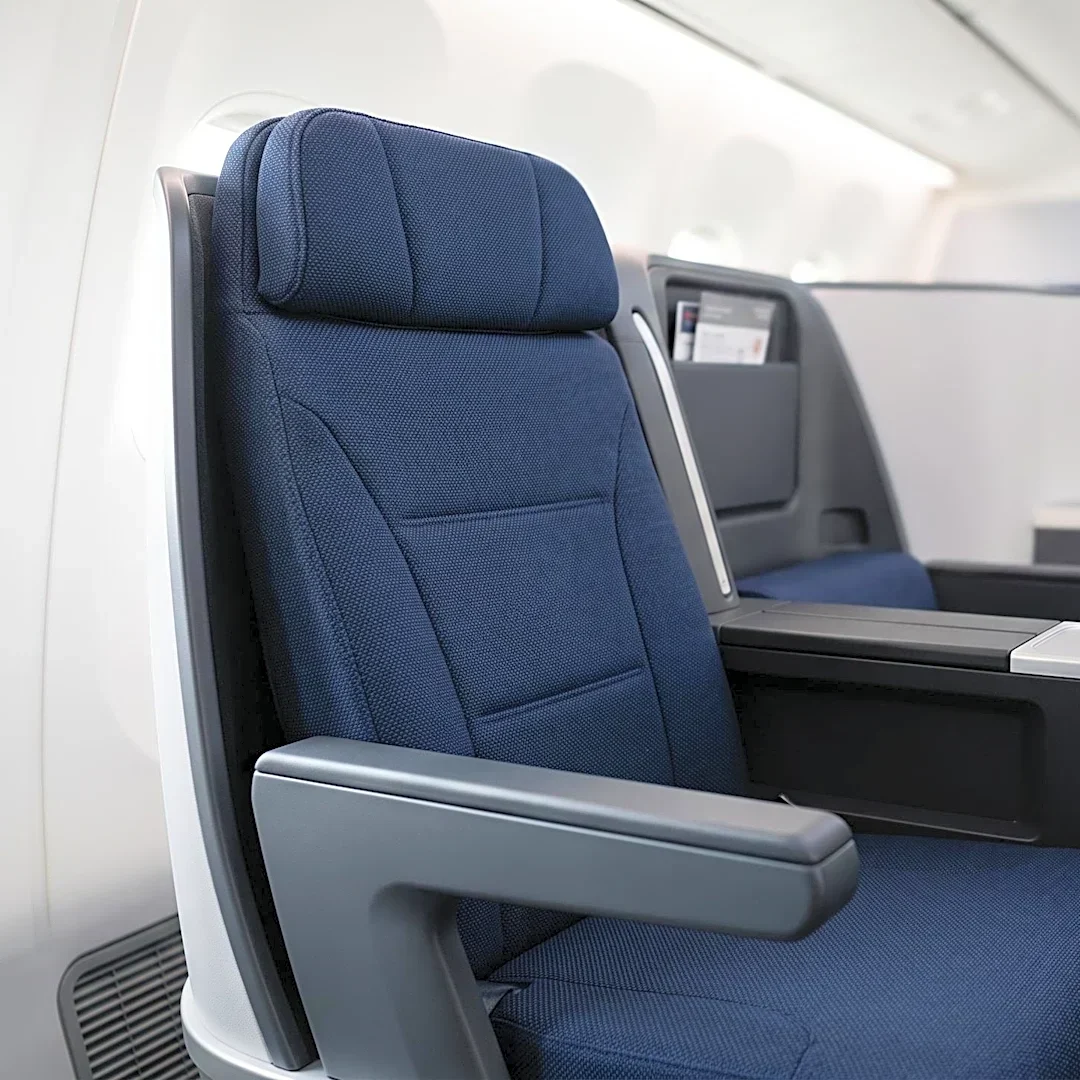
forum, described a mother asking if her son could move from the main cabin to Delta One, the airline's premium business-class product, simply because 'he'd really like that.' Initially, the flight attendant politely declined the request, explaining that such an upgrade was not possible without proper justification like miles, points, or payment. However, after boarding was complete, the flight attendant returned to the mother and son. He spent several minutes explaining the policy more thoroughly and engaged in a lighthearted conversation, promising to make their flight as enjoyable as possible within the confines of their purchased tickets. This act of kindness, rather than a simple refusal, resonated deeply with the original poster and many commenters.
Why It's Important?
This event highlights the significant impact of customer service in the airline industry, particularly in an era often characterized by passenger frustration and viral conflicts. The flight attendant's approach demonstrates how empathy and clear communication can de-escalate potentially awkward or embarrassing situations, transforming a negative interaction into a positive one. For Delta Air Lines, this incident serves as a positive public relations moment, showcasing the value of its frontline employees and potentially enhancing brand loyalty. In a competitive industry where customer experience is a key differentiator, such acts of genuine service can significantly influence passenger perception and future travel choices. It also underscores the broader societal value of kindness and understanding in everyday interactions, even in transactional environments.
What's Next?
While this specific incident is unlikely to lead to policy changes regarding upgrades, it may encourage airlines, including Delta, to reinforce training on empathetic customer service and conflict resolution among their flight crews. The viral nature of the story could prompt internal discussions within Delta about recognizing and rewarding employees who exemplify exceptional service. Passengers, in turn, might be inspired to approach flight attendants with more understanding, recognizing the constraints they operate under while still appreciating genuine efforts to enhance their travel experience. The ongoing conversation on social media platforms about airline etiquette and upgrade culture is likely to continue, with this story serving as a positive example of how to navigate such interactions gracefully.
Beyond the Headlines
Beyond the immediate context of airline travel, this story touches upon deeper themes of entitlement versus empathy in modern society. The initial request for a free upgrade, while common, often reflects a perception that rules can be bent or that asking 'doesn't hurt.' However, the flight attendant's response moves beyond a simple 'no' to address the human element, acknowledging the desire while upholding policy. This nuanced approach suggests a shift from purely transactional interactions to those that prioritize human connection and dignity. It also subtly critiques the 'shoot your shot' mentality prevalent in some online communities, by demonstrating that while asking is acceptable, the manner of refusal and subsequent engagement can leave a lasting, positive impression, fostering goodwill rather than resentment. This incident serves as a micro-example of how small acts of kindness can significantly impact public perception and personal experience in a service-oriented world.