







What's Happening?
China has unveiled a comprehensive plan for agricultural and rural modernization through 2030, focusing on enhancing food security, technological innovation, and the integration of urban and rural development. The plan, released by the State Council,
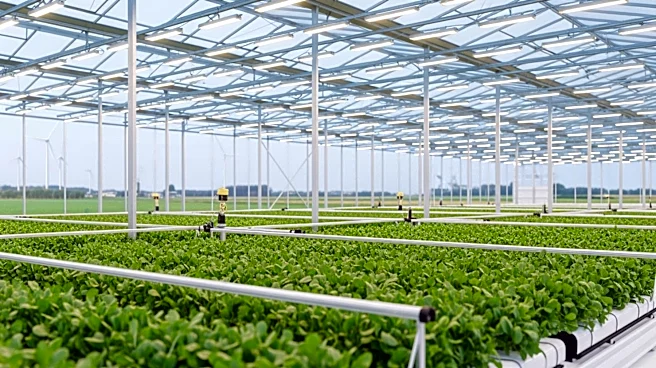
outlines targets and policy measures to strengthen the agricultural sector. Key objectives include increasing grain production capacity to 725 million metric tons, boosting the value added of agriculture to 25.8 trillion yuan, and improving the contribution rate of agricultural technological progress to 67 percent. The plan also emphasizes the development of high-standard farmland, innovation in agricultural technology, and the application of advanced technologies in seed development and disaster prevention. Additionally, it proposes cultivating emerging agricultural industries such as artificial intelligence-assisted breeding and new-energy agricultural machinery.
Why It's Important?
This plan is significant as it addresses one of China's most challenging modernization goals: strengthening its agricultural sector. By focusing on technological innovation and rural development, China aims to enhance food security and reduce its vulnerability to climate risks and resource constraints. The emphasis on emerging agricultural industries and advanced technologies could lead to increased productivity and improved product quality, benefiting both domestic and international markets. The plan also highlights the importance of improving rural livelihoods and ensuring equitable access to public services, which could help bridge the urban-rural divide and promote sustainable development.
What's Next?
The implementation of this plan will likely involve increased policy support for innovation, including tax incentives for agricultural technology development. Authorities may also encourage the adoption of domestically developed agricultural equipment. As the plan progresses, it will be crucial to monitor its impact on rural communities and the agricultural sector. The success of this initiative could serve as a model for other countries facing similar challenges in agricultural modernization and rural development.
Beyond the Headlines
The plan's focus on rural vitalization underscores the central role of farmers in China's development strategy. By prioritizing resources such as water, electricity, and roads, as well as improvements in education and healthcare, the plan aims to achieve more equal access to public services between urban and rural areas. This approach recognizes the need for tailored development paths that consider local circumstances, rather than a one-size-fits-all strategy. The emphasis on innovation and technology could also drive long-term shifts in the agricultural sector, positioning China as a leader in sustainable agricultural practices.