



What's Happening?
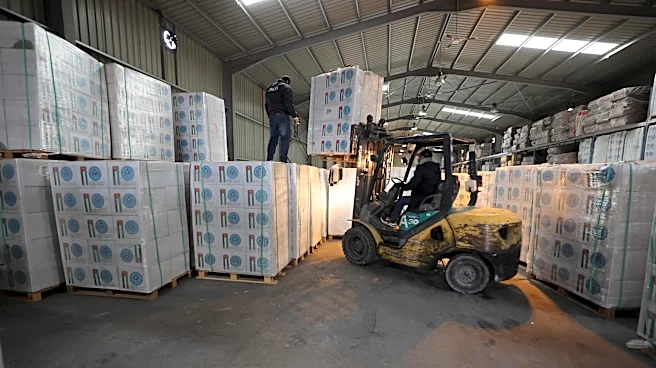
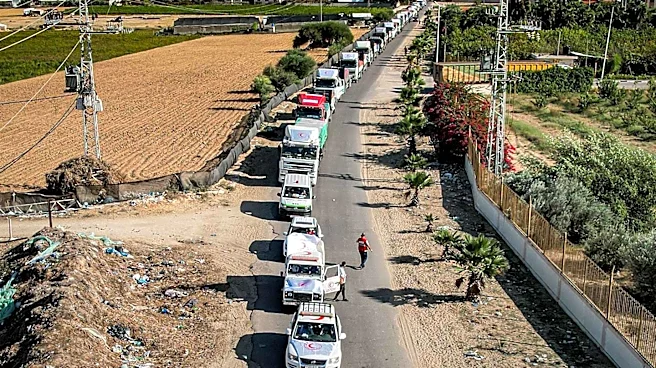
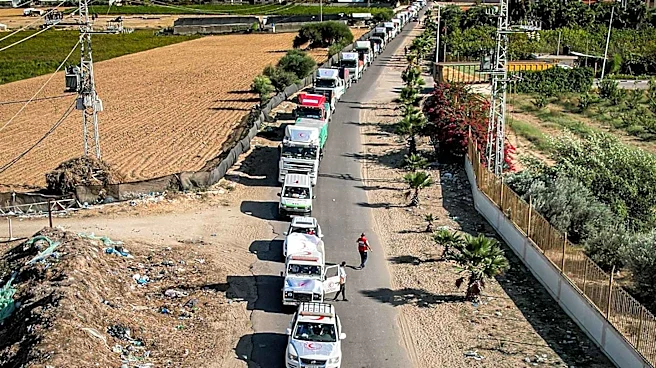
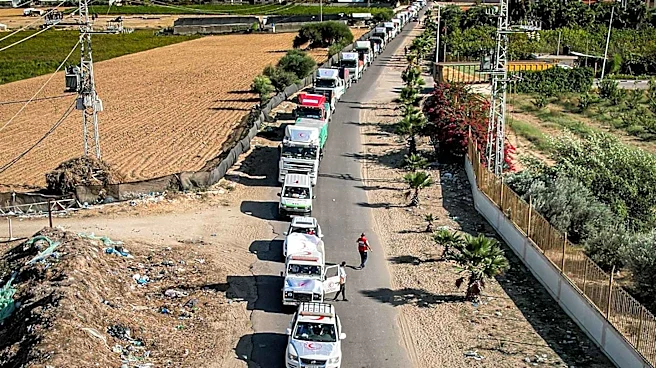
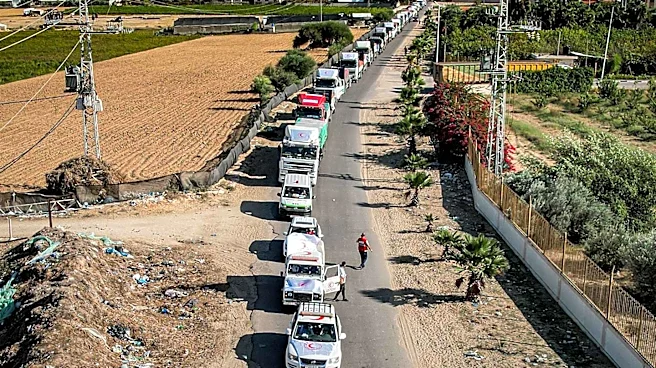
The European Union has expressed profound concern regarding the escalating humanitarian crisis in the Gaza Strip, calling on Israel to reopen all border crossings to facilitate the entry and unimpeded distribution of humanitarian aid. The EU highlighted
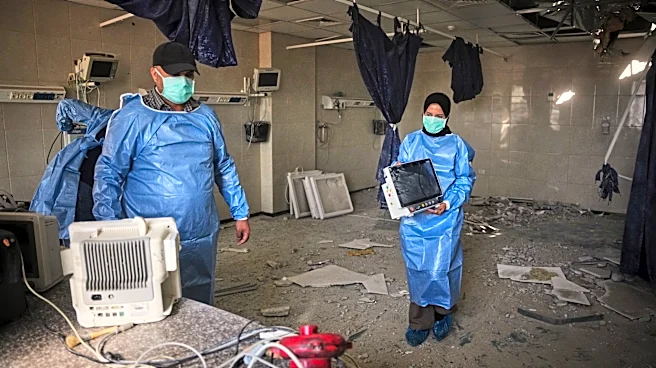
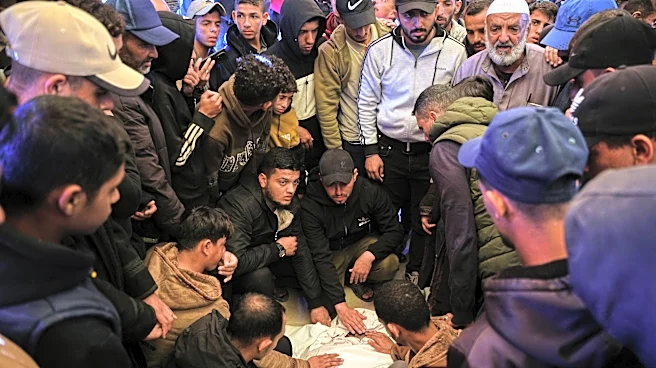
that severe flooding and harsh winter conditions have exacerbated the already dire living circumstances for Gaza residents. In a statement, the EU emphasized the necessity for Israel to immediately allow humanitarian assistance, support large-scale early recovery efforts, and ensure that the United Nations, its agencies, and humanitarian organizations can operate effectively. The EU also underscored the importance of adhering to international law, including international humanitarian law, and protecting civilians, civilian infrastructure, medical personnel, and health facilities. Grave concern was specifically noted regarding a recent Israeli airstrike targeting Nasser Hospital.
Why It's Important?
The EU's call for the reopening of Gaza's border crossings is critical for addressing the severe humanitarian crisis, which has significant implications for regional stability and international relations. The unimpeded flow of aid is essential to prevent further loss of life and alleviate suffering among the civilian population, particularly given the harsh environmental conditions. Failure to address the humanitarian situation could lead to increased displacement, public health emergencies, and a deeper cycle of violence, potentially destabilizing the broader Middle East. The protection of medical facilities and personnel, as highlighted by the EU, is a fundamental principle of international humanitarian law, and violations could set dangerous precedents for future conflicts. The EU's stance also reflects a broader international concern that could influence diplomatic efforts and aid policies from other global actors, including the United States.
What's Next?
The immediate next steps involve monitoring Israel's response to the EU's appeal and observing whether border crossings are reopened to allow for increased humanitarian aid. International organizations, including the UN and various NGOs, will likely continue to advocate for greater access and resources to address the crisis. Diplomatic pressure from the EU and other international bodies is expected to persist, potentially leading to further discussions or resolutions within international forums. The situation at Nasser Hospital and other medical facilities will remain a focal point, with calls for investigations into alleged violations of international law. The long-term implications could include renewed efforts for a political resolution to the conflict, with humanitarian access often serving as a critical component of any peace initiatives.
Beyond the Headlines
Beyond the immediate humanitarian concerns, the EU's statement touches upon deeper legal and ethical dimensions of the conflict. The emphasis on international humanitarian law and the protection of civilians and medical infrastructure highlights the ongoing debate about the conduct of warfare and accountability. The call for the full and immediate implementation of UN Security Council Resolution 2803 and a two-state solution suggests a long-term vision for regional stability that extends beyond the current crisis. This situation also underscores the complex interplay between humanitarian aid, political objectives, and international legal frameworks, where the provision of aid can become a point of leverage and contention. The severe winter conditions further expose the vulnerability of populations in conflict zones to environmental factors, adding another layer of complexity to humanitarian response efforts.