







What's Happening?
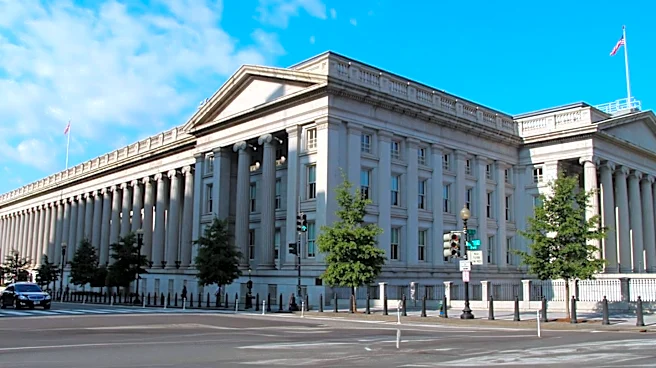
The U.S. Treasury Department has significantly intensified its Iran sanctions program, designating approximately 60 entities, individuals, and vessels. This action also includes a new determination that expands the categories of Iran-related conduct subject
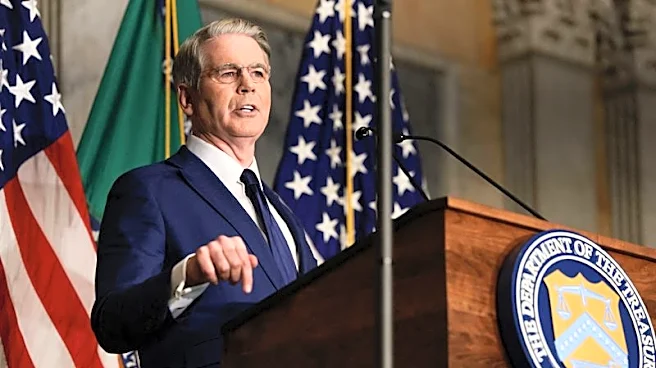
to secondary sanctions, specifically targeting the aviation, digital assets, gold, shipping, and technology sectors. Concurrently, the Office of Foreign Assets Control (OFAC) has suspended multiple Iran-related general licenses, which previously allowed certain transactions to proceed without specific authorization. Companies that relied on these suspended licenses have a narrow window, until 12:01 a.m. ET on September 8, to complete previously permitted transactions under a wind-down mechanism. This coordinated effort by the Treasury Department is described as a pressure campaign, with Secretary Scott Bessent indicating that other countries are being given a defined timeline to cease certain activities involving Iran, with the threat of unilateral U.S. action if they do not comply.
Why It's Important?
This escalation of Iran sanctions carries significant implications for U.S. and international businesses, particularly those with any direct or indirect exposure to Iran-related activities. The expansion of secondary sanctions to include aviation, digital assets, gold, shipping, and technology sectors means that non-U.S. persons engaging in these areas with Iran could face being cut off from the U.S. financial system, regardless of where their engagement takes place. The suspension of general licenses is particularly critical for compliance programs, as it alters the legal framework for transactions that businesses may have structured over years. This move signals a proactive approach by the U.S. to target not only current illicit actors but also to build legal architecture to sanction future facilitators of Iranian sanctions evasion across a broader range of industries. The explicit diplomatic pressure campaign accompanying these actions suggests that further country-specific or institution-specific measures may be imminent, increasing the risk landscape for multinational organizations.
What's Next?
Organizations operating under OFAC general licenses related to Iran must immediately identify which specific licenses have been suspended and determine if any pending transactions qualify for the wind-down period before the September 8 deadline. Screening processes need to be updated to include the newly designated parties and vessels. Businesses in the aviation, digital assets, gold, shipping, or technology sectors with any Iran nexus should enhance their due diligence on counterparties. Financial institutions with correspondent relationships or exposure to Iran-adjacent jurisdictions are advised to review these relationships proactively, especially given Secretary Bessent's warning of an imminent sanctioning of a specific financial institution. The Treasury Department's coordinated pressure campaign suggests that additional actions, potentially with little public notice, are likely to follow, making this an elevated risk period for any entity with Iran-related exposure.
Beyond the Headlines
The U.S. Treasury's actions highlight a growing overlap between export control enforcement and sanctions enforcement, particularly in the technology sector. The focus on digital assets and gold as channels for sanctions evasion underscores the evolving methods used to bypass traditional financial systems and the U.S.'s determination to counter them. This expansion of secondary sanctions also reflects a broader strategy to exert pressure on foreign entities that might otherwise consider themselves outside OFAC's direct jurisdictional reach, effectively extending the U.S.'s enforcement arm globally. The diplomatic component, where the U.S. is privately pressuring other countries, indicates a sophisticated and multi-pronged approach to sanctions enforcement, moving beyond mere designations to a more comprehensive and proactive campaign aimed at disrupting Iran's ability to engage in illicit activities and evade sanctions.