




What's Happening?
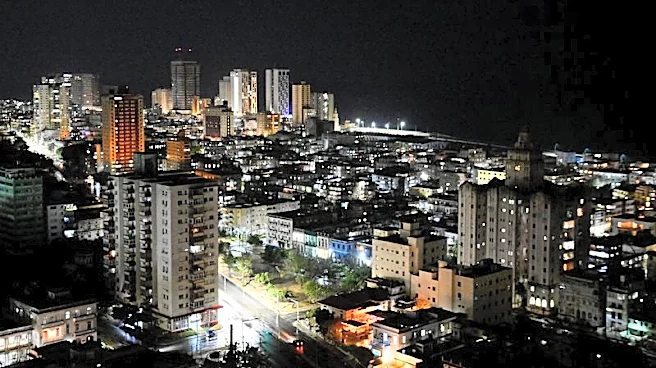
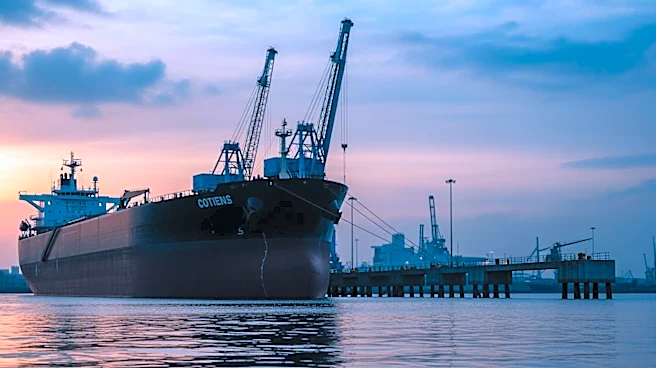
The Trump administration has intensified its stance against Cuba by blocking nearly all oil shipments to the island nation. This move is part of a broader strategy to exert pressure on the Cuban government, which has been a focal point of U.S. foreign
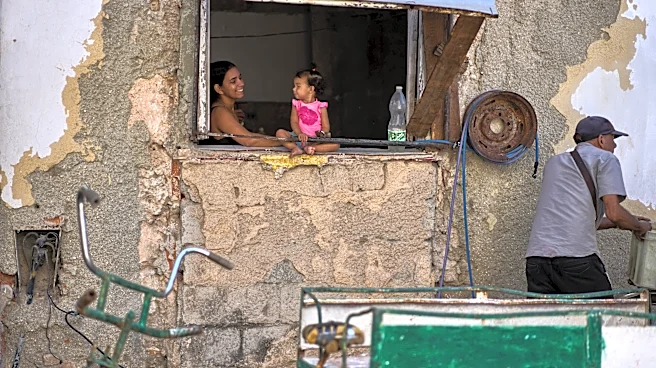
policy for decades. The blockade is expected to exacerbate the existing humanitarian crisis in Cuba, where shortages of essential goods and energy are already prevalent. The administration's actions are seen as a continuation of historical U.S. interventions in Cuba, a relationship that has been fraught with tension since the era of Fidel Castro. Correspondent Mo Rocca discussed these developments with history professor Jorge Malagon Marquez, highlighting the enduring nature of U.S.-Cuba tensions.
Why It's Important?
The decision to block oil shipments to Cuba could have significant implications for U.S.-Cuba relations and the broader geopolitical landscape. By intensifying economic pressure on Cuba, the Trump administration aims to weaken the Cuban government's resolve and potentially incite political change. However, this approach risks further isolating the U.S. from its allies who may view the move as exacerbating a humanitarian crisis. Additionally, the blockade could lead to increased migration pressures on the U.S., as economic conditions in Cuba deteriorate. The situation also underscores the complex legacy of U.S. foreign policy in Latin America, where interventions have often led to long-term regional instability.
What's Next?
The international community will likely monitor the situation closely, with potential diplomatic responses from countries sympathetic to Cuba. The Cuban government may seek alternative energy sources or increase diplomatic efforts to counteract the U.S. blockade. Domestically, the Trump administration may face criticism from human rights organizations and political opponents who argue that the policy exacerbates suffering among the Cuban population. The situation could also influence U.S. domestic politics, particularly among Cuban-American communities in states like Florida, where opinions on U.S.-Cuba policy are deeply divided.