



What's Happening?
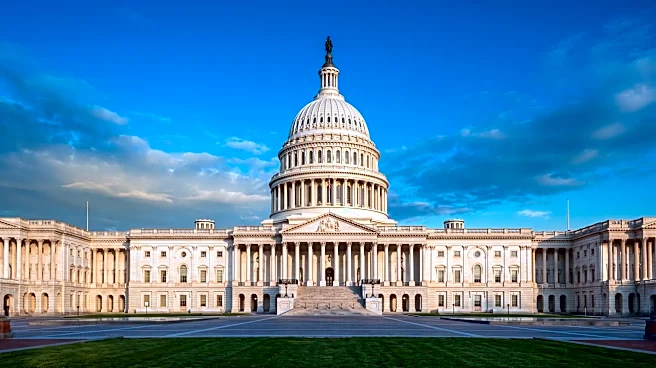
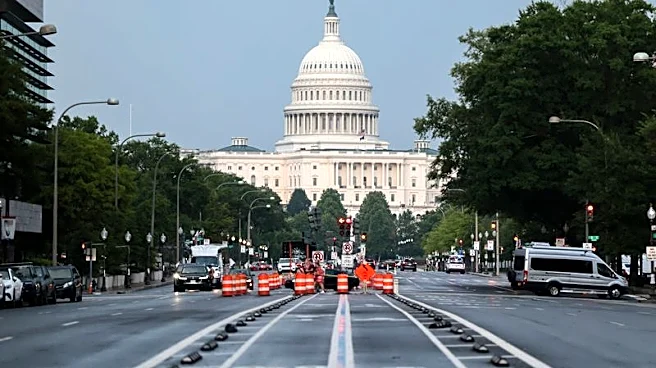
The United States Congress has passed a bill, the “Lindsey O Graham Sanctioning Russia Act of 2026,” which grants President Trump extensive authority to impose sanctions on Russia's crude exports and significant tariffs on countries purchasing Russian
energy. This legislation, passed by the House of Representatives and sent to President Trump for signing, represents the most substantial U.S. action against Moscow since President Trump's return to the White House. The bill aims to curtail the economic resources Russia uses to fund its ongoing conflict in Ukraine. It includes provisions for new sanctions against Russian President Vladimir Putin and over 20 top officials and companies linked to the Russian defense industry. Additionally, it targets Russia's 'shadow fleet' of oil tankers and its network for evading international sanctions on energy exports. Under this new law, President Trump can invoke the International Emergency Economic Powers Act (IEEPA) to apply tariffs of up to 100 percent on exports to the U.S. from the top five purchasers of Russian energy, military equipment, or countries facilitating Russian sanctions evasion. Tariffs of up to 500 percent can also be applied directly to Russian imports into the U.S.
Why It's Important?
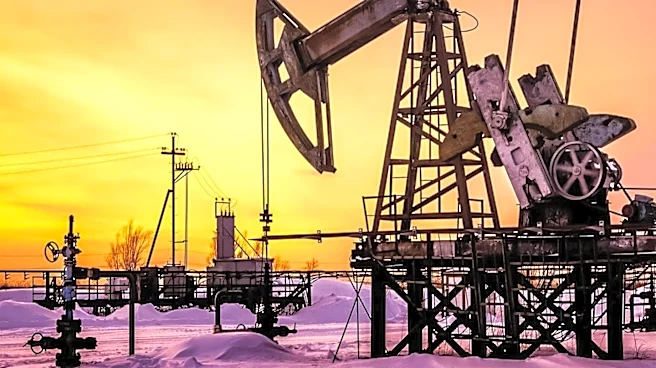
This legislation has significant implications for global energy markets and international relations, particularly for China and India, which are the largest buyers of Russian energy. China purchases approximately half of Russian crude oil exports, followed by India at 37 percent. The potential imposition of tariffs of up to 100 percent on these countries' exports to the U.S. could force them to reconsider their energy sourcing, especially given the current pressures on alternative supplies. The disruption of the Strait of Hormuz by Iran and the temporary shutdown of Saudi Arabia's East-West pipeline have already tightened the global oil market. If major importers like China and India sharply reduce their purchases of Russian crude due to U.S. tariffs, they would be compelled to compete for barrels in an already constrained market, potentially leading to a sharp increase in global oil prices. This move also underscores a shift in U.S. foreign policy, using economic leverage to influence geopolitical outcomes and pressure adversaries, even at the risk of straining relationships with key trading partners.
What's Next?
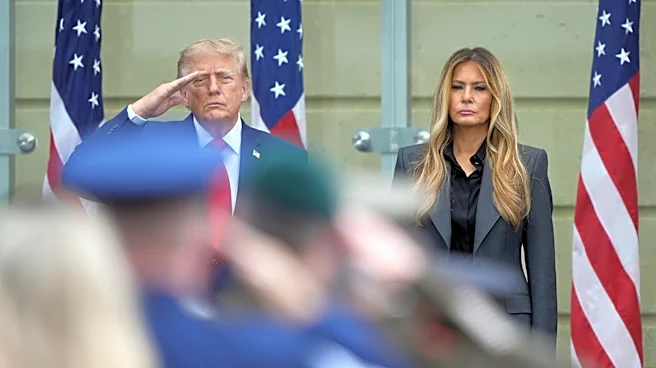
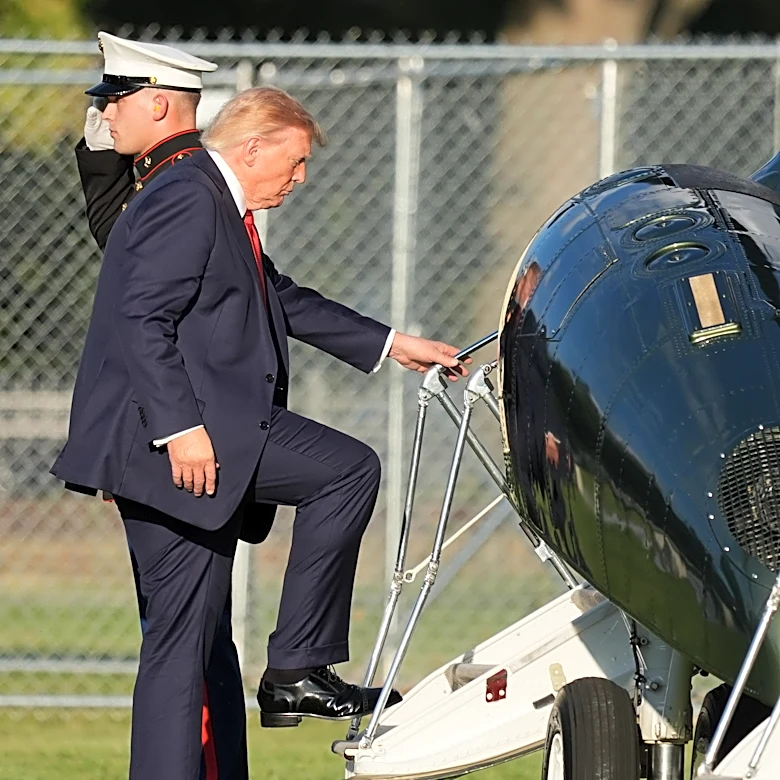
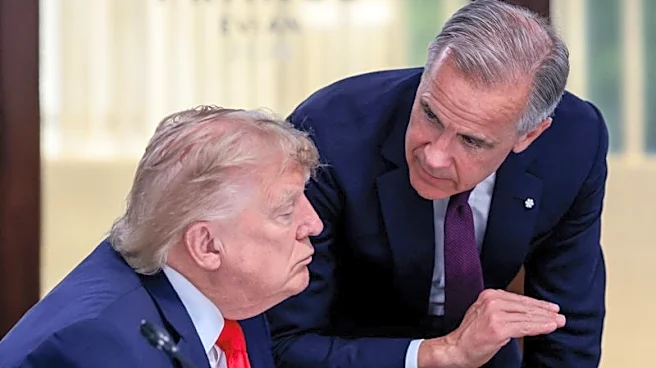
The immediate next step is for President Trump to sign the “Lindsey O Graham Sanctioning Russia Act of 2026” into law. Once signed, the critical question will be how aggressively President Trump chooses to utilize these new powers. The legislation grants him the authority to impose tariffs but does not automatically trigger them. Analysts will be closely watching for any announcements or executive actions regarding the implementation of these tariffs. China and India have already expressed their positions, with India stating its determination to protect its trade and economic interests and China opposing extraterritorial jurisdiction. The responses from these nations, whether through diplomatic channels, seeking alternative energy sources, or potentially retaliatory measures, will shape the future of global energy trade and international alliances. The impact on global oil prices and the stability of energy supplies will also be a key area of observation, especially given the existing disruptions in major shipping routes.
Beyond the Headlines
This legislation highlights a broader trend in U.S. foreign policy where economic tools, specifically tariffs and sanctions, are increasingly employed to achieve strategic objectives. The move could deepen the divide between the U.S. and countries like China and India, potentially pushing them closer to Russia and other non-Western powers in a bid to circumvent U.S. sanctions. It also raises questions about the long-term effectiveness of such measures, particularly if they lead to the fragmentation of global trade and the emergence of alternative economic blocs. The ethical implications of imposing tariffs that could significantly impact the economies of sovereign nations, even if they are engaging in trade with sanctioned entities, are also a point of consideration. Furthermore, the legislation could set a precedent for future U.S. administrations to use similar economic leverage in other geopolitical disputes, potentially reshaping the international trade landscape and the principles of free trade.