

What's Happening?
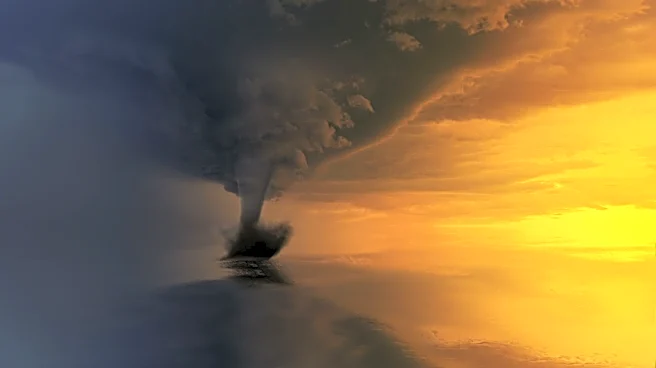
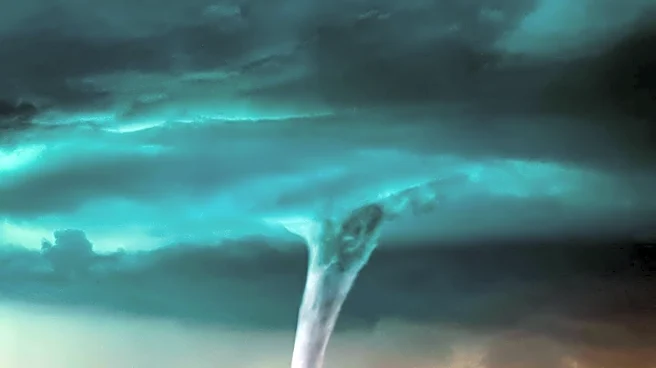
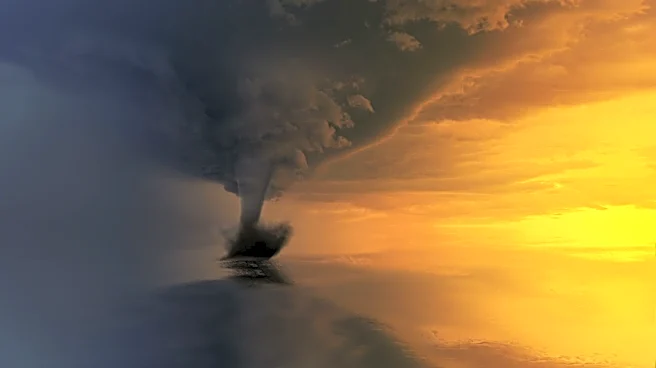
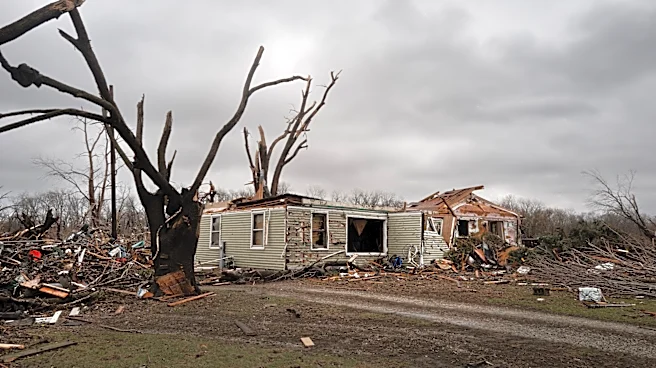
A waterspout formed off the Long Island coast and moved inland, transforming into a small tornado that caused significant damage to a beach club in East Atlantic Beach, Nassau County. The event, which occurred on Thursday evening, tore through boardwalk
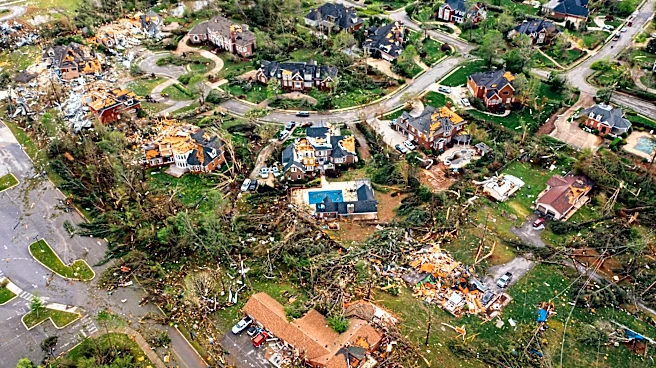
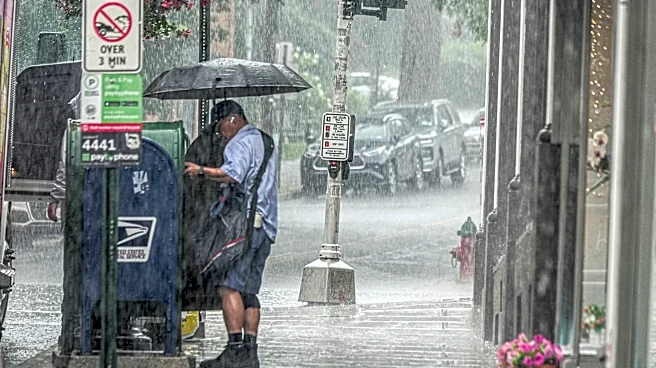
businesses, damaged cabanas, and scattered debris across the area. Nassau County Executive Bruce Blakeman confirmed that a tornado touched down and declared a state of emergency. While there were no reports of casualties or serious injuries, the destruction was extensive, with roofs lifted from beachside cabanas. Matthew Stark, a 28-year-old local, described the experience as surreal, noting that the roof of his family's cabana was ripped off. AccuWeather confirmed the footage was consistent with a waterspout, and the National Weather Service is assessing the damage to make an official determination on its classification as a traditional tornado. Heavy rainfall also caused significant travel disruptions in the area.
Why It's Important?
This rare tornado event on Long Island highlights the increasing unpredictability of severe weather patterns and their potential impact on coastal communities. The declaration of a state of emergency underscores the immediate threat to public safety and the need for rapid response from local authorities. The extensive property damage to beach clubs and businesses will result in significant economic losses and disruption to the local tourism industry, which is vital for the region. The incident also raises concerns about the adequacy of existing infrastructure to withstand such extreme weather, particularly in areas not traditionally prone to tornadoes. The lack of serious injuries, despite the significant damage, can be attributed to timely warnings and perhaps some luck, but it also emphasizes the importance of effective emergency preparedness and public awareness campaigns.
What's Next?
Nassau County officials and emergency services will continue their assessment of the damage to determine the full scope of the destruction and coordinate recovery efforts. Search teams have been mobilized to ensure no one is trapped within the damaged cabanas. The National Weather Service will conduct further investigations to officially classify the weather event, which could influence future weather advisories and building codes for coastal areas. Residents and businesses will begin the process of cleaning up and rebuilding, likely facing challenges with insurance claims and construction. Local authorities will also review their emergency response protocols and public warning systems to enhance preparedness for similar future events, especially given the unusual nature of a tornado striking this specific region.
Beyond the Headlines
The Long Island tornado event, while localized, contributes to a broader narrative of changing climate patterns and the increasing frequency of extreme weather phenomena in regions not historically accustomed to them. This incident could prompt a reevaluation of disaster preparedness strategies and infrastructure resilience in coastal areas, potentially leading to stricter building codes and enhanced early warning systems. The psychological impact on residents who experienced such a rare and destructive event could also be significant, fostering a heightened sense of vulnerability. Furthermore, the event may spark discussions about the economic implications for coastal communities heavily reliant on tourism and the need for diversified economic strategies or more robust disaster relief mechanisms to support recovery and long-term resilience.