







What's Happening?
The Lincoln Institute of Land Policy has initiated its first Community Revitalization Cohort (CRC), a peer learning community designed to foster community well-being strategies in historically disinvested neighborhoods across the U.S. This initiative,
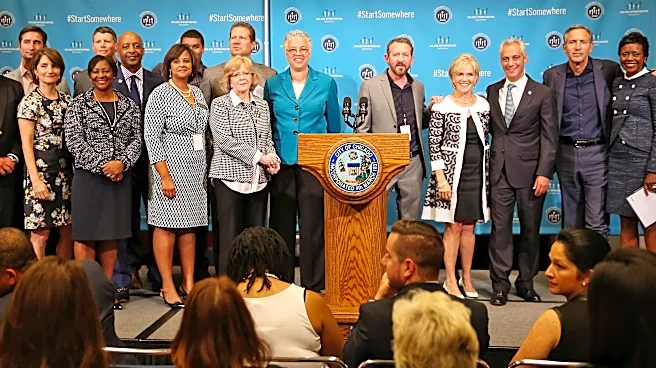
part of the Lincoln Institute’s Remaking Local Economies (RLE) program, brings together representatives from four community-based nonprofit intermediaries. These organizations include Invest Detroit, which is leading a decade-long investment in 10 Detroit neighborhoods; the Partnership for Southern Equity (PSE), working with the City of Atlanta on its Neighborhood Reinvestment Initiative (NRI) to revitalize seven neighborhoods; Neighborhood Allies, focusing on Pittsburgh’s East Liberty, Larimer, and Homewood neighborhoods to address gentrification and displacement; and Cleveland Neighborhood Progress (CNP), aiming to strengthen and reevaluate community roles beyond the city’s existing development ecosystem. The cohort's inaugural meeting in Cambridge, Massachusetts, allowed participants to share projects, identify common challenges, and build connections for peer learning.
Why It's Important?
This initiative is crucial for addressing the complex challenges of gentrification and displacement in U.S. urban areas. By focusing on community-led well-being strategies, the CRC aims to ensure that redevelopment efforts are sustainable and inclusive, rather than leading to the displacement of long-standing residents and the loss of local culture. The involvement of organizations like Neighborhood Allies, specifically tackling the effects of gentrification and displacement, highlights the direct impact on communities. The Lincoln Institute's role in providing strategic guidance rooted in land policy and pioneering metrics for community well-being is vital for developing effective, replicable models. This collaborative approach seeks to empower local communities, strengthen their capacity, and promote equitable growth, ultimately benefiting residents who might otherwise be marginalized by rapid urban development.
What's Next?
Over the duration of the cohort, the Lincoln Institute will offer facilitated peer learning, training, and strategic guidance to the participating intermediaries. The program will also feature stories about the redevelopment strategies being implemented and will pioneer metrics to assess community well-being. The ultimate goal is to help these organizations refine their strategies, maximize benefits for their respective neighborhoods, and disseminate best practices and recommendations to other similarly situated communities nationwide. This ongoing support and knowledge sharing are expected to lead to more effective and equitable community revitalization efforts, potentially influencing urban planning and land policy across the U.S. in the coming years.
Beyond the Headlines
The CRC's focus on 'healing maps' by Neighborhood Allies in Pittsburgh points to a deeper understanding of gentrification's impact, acknowledging not just economic but also cultural and social losses. This approach suggests a shift towards recognizing and mitigating the less tangible, yet profound, effects of urban change on community identity and social cohesion. By leveraging land policies and other tools, the initiative aims to foster a model of development that prioritizes existing residents and their well-being, challenging traditional redevelopment paradigms that often overlook these critical aspects. This could set a precedent for future urban revitalization projects, emphasizing holistic community health over purely economic growth.