





What's Happening?
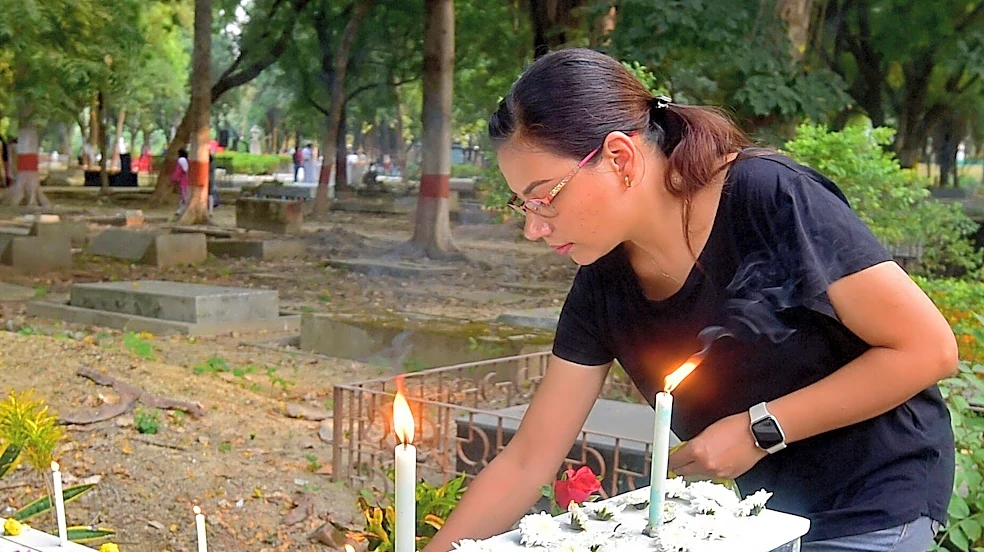
Vick Cemetery in Wilson County, North Carolina, recently underwent restoration efforts, marked by the placement of a floral wreath and dozens of memorial white roses. Mildred Hall and another individual, whose grandmother and Hall's mother were first
cousins, participated in this event. Many of their relatives, including young uncles, are interred in Vick Cemetery. The initiative saw contributions of flowers from a diverse group of individuals, including both descendants of those buried there and sympathetic friends. Among the contributors were Sondra Artis, Susette Artis, Dr. Michael Barnes, Rev. Dr. Michael S. Bell, Kerry Carmichael, Vicki Cowan, Wanda Darden and the Darden Family, Diann Dawson, Charmlyn Folkes, Ruby Ford and the Ford Family, Mildred Hall, Marla (in memory of King Hargrove, Marjorie Robinson, and Ruby Hart), The Henderson Family, Lisa Y. Henderson (in memory of Baby Boy Henderson), True Lewis, Lelia Neal, Olivia Neeley, Synethia D. Nelson, Portia Newman, Sita Redding, Miriam D. Smith, Tunya Smith, and Patricia Tolliver. The event took place on a sunny and cool day, highlighting a community-led effort to honor and preserve the historical site.
Why It's Important?
The restoration and remembrance event at Vick Cemetery underscore the ongoing importance of preserving historical African-American burial grounds in the United States. These cemeteries often hold significant genealogical and cultural value, serving as tangible links to past generations and their contributions to American society. Efforts like these help to ensure that the histories of marginalized communities are not forgotten and that their resting places are treated with respect. The involvement of both descendants and community friends highlights a collective commitment to historical preservation and remembrance, fostering a sense of community and shared heritage. Such initiatives can also bring attention to the need for broader support and resources for the upkeep of similar historical sites across the nation, many of which may be neglected or at risk of deterioration. This particular event in Wilson County demonstrates a local community's dedication to honoring its past and educating future generations about their roots.
What's Next?
While the immediate event involved floral tributes and restoration, the ongoing preservation of Vick Cemetery will likely require continued community engagement and potentially more structured maintenance efforts. Future steps could include organizing regular clean-up days, seeking grants or funding for more extensive restoration projects, and developing educational programs to share the history of those buried in the cemetery. The involvement of various families and individuals suggests a strong community interest that could be leveraged for sustained support. Local historical societies or genealogical groups might become more involved in documenting the lives of those interred, further enriching the historical record. The success of this event could also inspire similar initiatives at other neglected historical sites, prompting a broader movement for the preservation of African-American cemeteries across North Carolina and beyond. Continued collaboration between descendants, community members, and local organizations will be crucial for the long-term care and remembrance of Vick Cemetery.
Beyond the Headlines
The restoration of Vick Cemetery transcends a simple clean-up; it represents a profound act of cultural reclamation and historical recognition. Many African-American cemeteries across the U.S. have faced neglect, vandalism, or even destruction due to systemic racism and lack of resources. Efforts to restore and remember these sites are not just about maintaining physical spaces but about rectifying historical injustices and ensuring that the narratives of African-Americans are integrated into the broader American historical consciousness. This event highlights the power of community-led initiatives in preserving heritage that might otherwise be lost. It also brings to light the ethical imperative to honor the dead, regardless of their social standing or historical context, and to acknowledge the contributions of all individuals to the fabric of American society. The act of placing flowers and remembering names is a powerful symbol of respect and a testament to the enduring legacy of those who came before.