




What's Happening?
Ghirardelli Chocolate Company has initiated a recall of several powdered hot chocolate and frappe mixes due to a potential salmonella contamination risk. This recall affects a variety of café-style drink mixes, including bulk 30-pound chocolate and white
frappe mixes, hot cocoa and mocha powders, and vanilla, white chocolate, and frozen hot cocoa frappe blends. These products were primarily sold in large food-service formats to cafés, restaurants, and catering companies, but some may have reached consumers through online sales. The recall was prompted by a supplier's identification of a potential salmonella risk in milk powder used in these products. Although no illnesses have been reported and testing has not confirmed contamination in finished products, Ghirardelli is conducting the recall as a precautionary measure. Consumers and businesses are advised to avoid using the affected products and to follow return or disposal instructions.
Why It's Important?
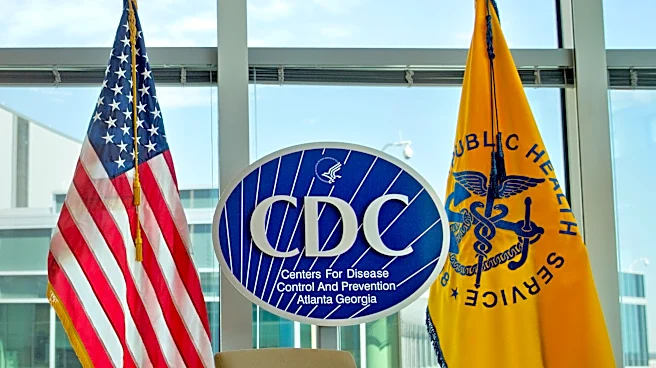
The recall is significant as it highlights ongoing concerns about food safety and the potential health risks associated with salmonella contamination. Salmonella is a common cause of foodborne illness in the U.S., posing serious health risks, especially to vulnerable populations such as young children, older adults, pregnant women, and individuals with weakened immune systems. The Centers for Disease Control and Prevention (CDC) estimates that salmonella causes approximately 1.35 million infections annually in the U.S., leading to about 26,500 hospitalizations and 420 deaths. The precautionary recall by Ghirardelli underscores the importance of proactive measures in preventing potential outbreaks and protecting public health. It also reflects the broader trend of increased recall activity related to salmonella in 2026, despite no nationwide increase in infections being identified.
What's Next?
As the recall progresses, Ghirardelli and the Food and Drug Administration (FDA) will likely continue to monitor the situation closely to ensure consumer safety. Businesses and consumers are expected to comply with the recall instructions to prevent any potential health risks. The FDA may also conduct further investigations to determine the source of contamination and prevent future occurrences. Additionally, public health officials may increase awareness efforts to educate consumers about the symptoms of salmonella infection and the importance of food safety practices. The recall may prompt other companies to review their supply chains and quality control measures to mitigate similar risks.
Beyond the Headlines
This recall highlights the complexities of food supply chains and the challenges in ensuring product safety. It raises questions about the effectiveness of current food safety regulations and the need for robust testing and monitoring systems. The incident may lead to discussions on improving traceability and transparency in food production processes. Furthermore, it underscores the role of consumer awareness and education in preventing foodborne illnesses. As recalls become more frequent, there may be increased pressure on regulatory bodies and food manufacturers to enhance safety standards and communication strategies to protect public health.