




What's Happening?
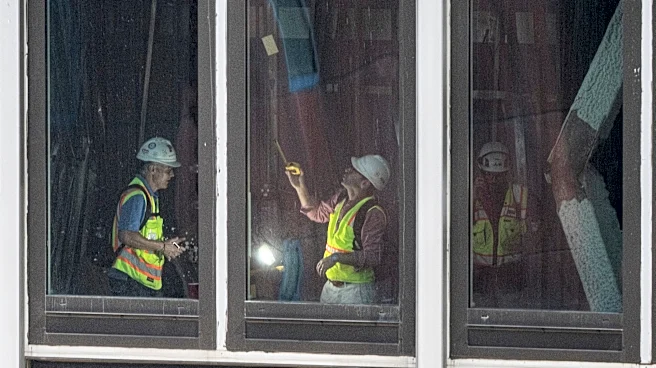
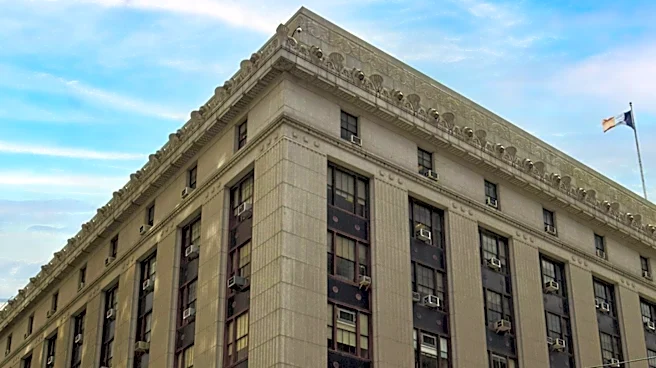
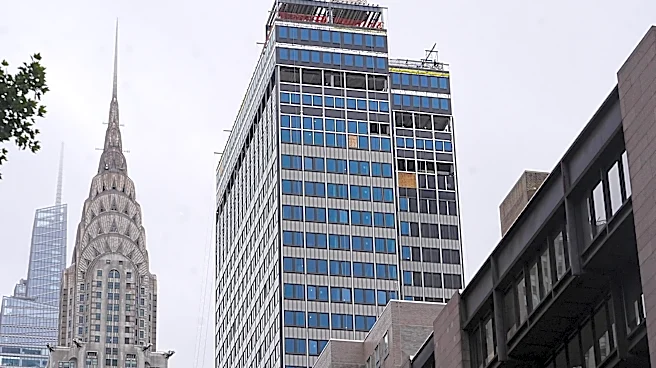
A construction incident at the former Pfizer headquarters in Manhattan has highlighted the challenges of converting office buildings into residential apartments. Two steel columns buckled during the conversion process, prompting evacuations and halting
work on the project, which aims to transform two office buildings into approximately 1,600 apartments. The project involves adding stories to older structures, a complex engineering task that requires ensuring the buildings can support new loads. The incident underscores the difficulties of adaptive reuse projects, which have gained popularity as a solution to housing shortages exacerbated by the COVID-19 pandemic.
Why It's Important?
This incident is significant as it raises questions about the feasibility and safety of converting office spaces into residential units, a strategy increasingly used to address housing shortages in urban areas. The project in question is one of the largest of its kind in the U.S., and its challenges could influence future adaptive reuse projects. The incident may prompt a reevaluation of engineering practices and building codes to ensure safety in similar projects. Successful conversions could help revitalize underused office spaces and contribute to solving housing crises in cities like New York.
What's Next?
Investigations are underway to determine the cause of the structural failure, with potential implications for the project's timeline and cost. The incident may lead to increased scrutiny of similar projects, with developers and engineers reassessing their plans to prevent similar issues. City officials and stakeholders in the real estate industry will likely review building codes and safety standards to ensure the viability of future conversions. The outcome of this project could set precedents for how adaptive reuse projects are approached in the future.
Beyond the Headlines
The incident highlights the broader trend of adaptive reuse in urban development, where sustainability and efficient use of existing structures are prioritized over new construction. This approach aligns with environmental goals by reducing the carbon footprint associated with demolition and new builds. However, it also presents unique challenges that require innovative engineering solutions. The success or failure of such projects could influence urban planning and development strategies, particularly in cities facing space constraints and housing shortages.