





What's Happening?
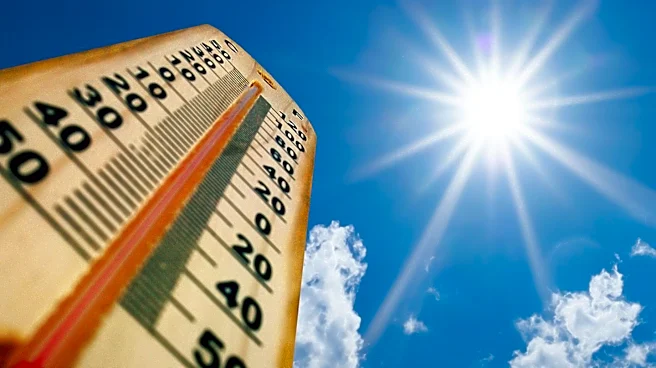
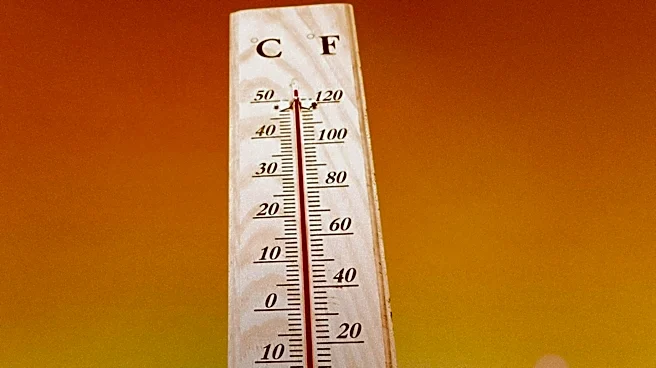
Western Europe has experienced its hottest June-July period on record, with an average temperature of 21.62°C, surpassing the previous record set in 2022. This development is attributed to climate change and the emerging El Niño phenomenon, according
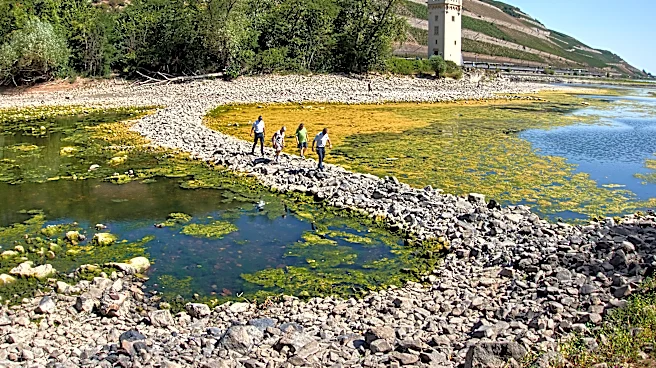
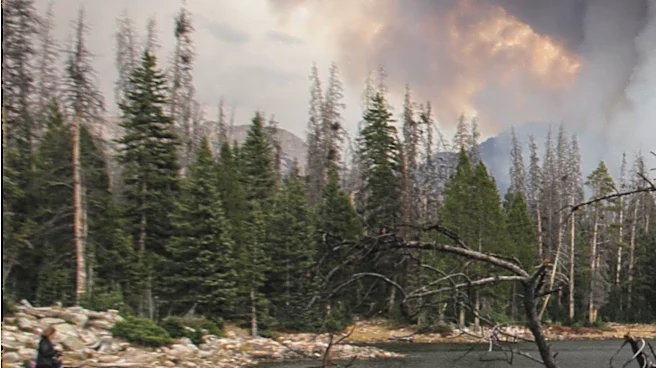
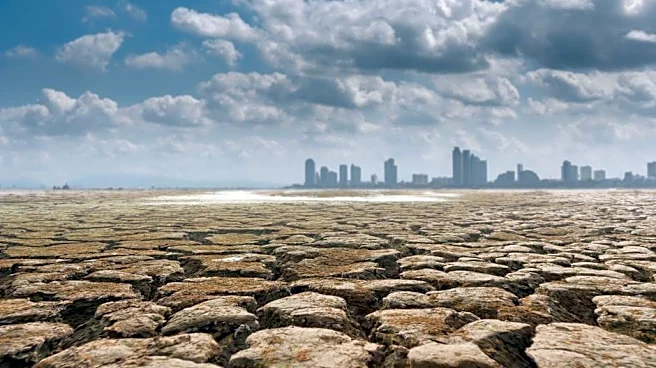
to the Copernicus Climate Change Service. The region has faced successive heatwaves, drought, and wildfires, marking a historic summer of extreme weather conditions. Soil moisture levels have been significantly lower than in previous years, exacerbating drought conditions. The Mediterranean and Atlantic regions have also recorded unusually high sea temperatures, influenced by the large El Niño event. This natural climate cycle temporarily raises ocean temperatures in the tropical Pacific, contributing to weather extremes globally.
Why It's Important?
The record-breaking temperatures in Western Europe highlight the intensifying impact of climate change on global weather patterns. The persistent heat and drought conditions have significant implications for agriculture, water resources, and energy production in the region. The increased frequency of wildfires poses a threat to ecosystems and human settlements. The situation underscores the urgent need for climate action to mitigate the effects of global warming. The developing El Niño is expected to further influence global temperatures, potentially making 2026 one of the warmest years on record. This trend could lead to more severe weather events, affecting economies and societies worldwide.
What's Next?
As the El Niño phenomenon continues to develop, scientists anticipate further increases in global temperatures. The impact of this climate event is expected to peak in the coming months, potentially setting new records for global average temperatures. Policymakers and environmental organizations may need to intensify efforts to address climate change and its effects. The situation calls for increased investment in renewable energy and sustainable practices to reduce carbon emissions. Additionally, countries may need to enhance their preparedness for extreme weather events, including improving infrastructure and emergency response systems.
Beyond the Headlines
The ongoing climate crisis raises ethical and legal questions about the responsibility of nations and corporations in contributing to global warming. The disproportionate impact of climate change on vulnerable populations highlights the need for equitable solutions. Long-term shifts in weather patterns could lead to changes in migration patterns, as people seek more habitable environments. The situation also emphasizes the importance of international cooperation in addressing climate change, as its effects transcend national borders.