


What's Happening?
Adm. Pierre Vandier, commander of NATO’s Allied Transformation Command, emphasized the need for NATO to swiftly integrate advanced technologies to maintain its deterrence capabilities against potential Russian aggression. This call to action comes in light
of lessons learned from the ongoing conflict in Ukraine, where both Ukrainian and Russian forces have adapted to new technologies on the battlefield. Vandier highlighted the importance of overcoming systemic challenges in defense technology procurement and development, which have been exposed by the war in Ukraine. He pointed to successful NATO exercises, such as the REPMUS 24 in Portugal, as evidence of the alliance's evolving capabilities. Future trials in Romania and Latvia will focus on counter-drone technologies, while initiatives like SINBAD aim to leverage artificial intelligence for strategic advantages.
Why It's Important?
The emphasis on rapid technological integration is crucial for NATO to maintain its strategic deterrence against Russia. As Russia continues to evolve its military capabilities, NATO's ability to adapt and deploy advanced technologies quickly is vital to prevent strategic miscalculations. The ongoing conflict in Ukraine has underscored the need for NATO to address procurement inefficiencies and embrace innovation to safeguard its members' security. The alliance's commitment to technological advancement is essential in a rapidly changing global environment, where traditional defense strategies may no longer suffice.
What's Next?
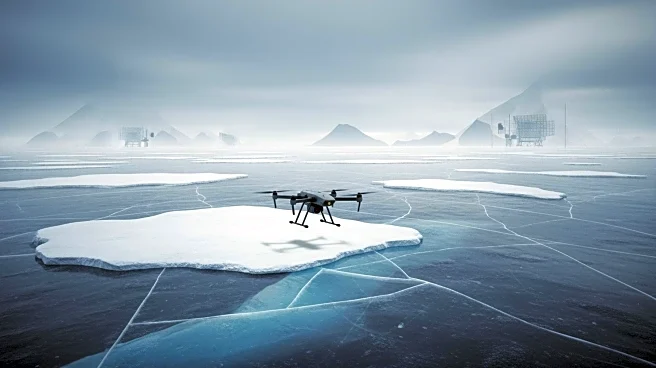
NATO plans to conduct further exercises in Romania and Latvia, focusing on integrating new counter-drone technologies into a comprehensive defense system. The alliance is also exploring the use of artificial intelligence for early warning tasks and developing satellite capabilities for operations in the Arctic region. These initiatives aim to enhance NATO's operational readiness and ensure its deterrence posture remains effective against potential aggressors.