



What's Happening?
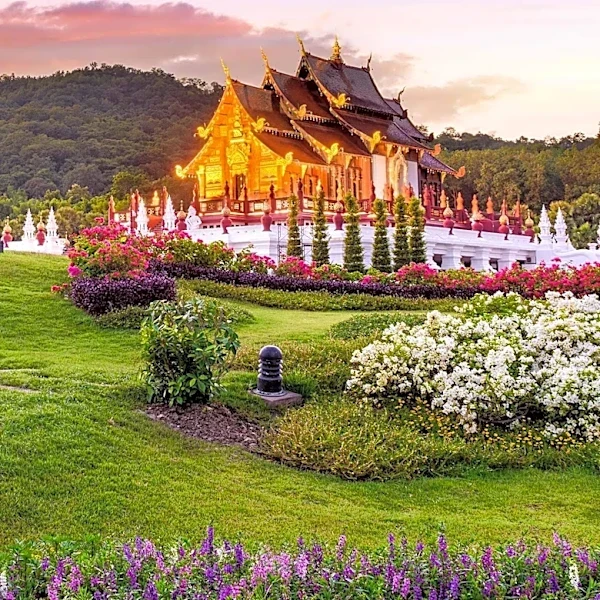
Chiang Mai, a prominent city in northern Thailand, is a popular destination known for its rich cultural heritage, natural beauty, and vibrant urban life. The city offers a diverse range of attractions, from ancient temples and serene landscapes to bustling
markets and lively nightlife. Visitors can explore various routes, including the Doi Suthep Route, Mae Rim-Samoeng Route, and the Chiang Mai-Chom Thong-Hot Route leading to Doi Inthanon National Park. The optimal time to visit Chiang Mai is between November and February, when the weather is cooler and drier, avoiding the intense heat and smoke prevalent from March to May. The rainy season typically runs from June to October. Average temperatures in Chiang Mai fluctuate between 15°C and 36°C. The city is also home to ethical elephant projects like 'Sunshine for Elephants,' which provides a safe environment for rescued elephants and allows visitors to interact with them responsibly. For dining, Khum Hmon Somm is highlighted as a family-run establishment offering traditional northern Thai dishes at affordable prices. Accommodation options include highly-rated all-inclusive stays such as Novotel Chiangmai Nimman Journeyhub and Tolani Southgate Villa Chiang Mai. Chiang Mai International Airport facilitates direct flights from major regional hubs like Bangkok, Singapore, and Kuala Lumpur, with overnight sleeper trains also available from Bangkok.
Why It's Important?
Chiang Mai's appeal as a tourist destination significantly contributes to Thailand's tourism industry, a vital sector of the national economy. The city's focus on cultural preservation, eco-tourism (such as ethical elephant sanctuaries), and diverse attractions helps to draw a wide range of international visitors, including those from the U.S. The availability of direct flights and varied accommodation options makes it accessible to a global audience, fostering cross-cultural exchange and boosting local businesses, from hospitality to food services and artisanal crafts. The emphasis on ethical tourism, as seen with 'Sunshine for Elephants,' reflects a growing global trend towards responsible travel, which can influence U.S. travelers' choices and promote sustainable practices within the tourism industry worldwide. The economic impact extends to local communities through job creation and support for traditional Thai arts and cuisine, offering authentic experiences that differentiate Chiang Mai from other destinations. The city's ability to cater to different travel preferences, from luxury resorts to budget-friendly eateries, ensures its continued relevance in the competitive international tourism market.
What's Next?
Chiang Mai is expected to continue its development as a premier tourist destination, with ongoing efforts to enhance infrastructure and promote sustainable tourism practices. The city will likely see further investment in eco-friendly initiatives and cultural preservation projects to maintain its unique charm and appeal. As global travel patterns evolve, there may be an increased focus on digital integration for tourism services, including online booking platforms and virtual tours, to cater to a tech-savvy international audience. The promotion of off-peak season travel could also be a strategy to distribute tourist flow more evenly throughout the year, mitigating the impact of seasonal crowds and supporting year-round economic activity. Additionally, local authorities and tourism operators may explore new ways to showcase Chiang Mai's diverse offerings, such as specialized culinary tours, wellness retreats, and adventure tourism, to attract niche markets. Continued collaboration between government bodies and private enterprises will be crucial in shaping the future of tourism in Chiang Mai, ensuring its growth is both economically beneficial and environmentally responsible.
Beyond the Headlines
Beyond its immediate economic benefits, Chiang Mai serves as a significant cultural and spiritual hub, embodying the rich traditions of northern Thailand. The city's numerous temples, including the revered Wat Sri Suphan (the Silver Temple), are not merely tourist attractions but active centers of Buddhist practice and artistic expression. These sites offer a profound glimpse into Thai spirituality and craftsmanship, influencing visitors' perspectives on art, religion, and community. The local cuisine, particularly northern Thai dishes, represents a distinct culinary heritage that contributes to Thailand's global gastronomic reputation. The ethical treatment of elephants, as championed by projects like 'Sunshine for Elephants,' highlights a broader societal shift towards animal welfare and conservation, challenging traditional tourism models and promoting a more compassionate approach to human-animal interactions. This ethical dimension resonates with a growing segment of conscious travelers, potentially influencing tourism policies and practices in other regions. The blend of ancient traditions with modern amenities creates a unique cultural tapestry that fosters cross-cultural understanding and appreciation, making Chiang Mai a destination that offers both leisure and profound learning experiences.