




What's Happening?
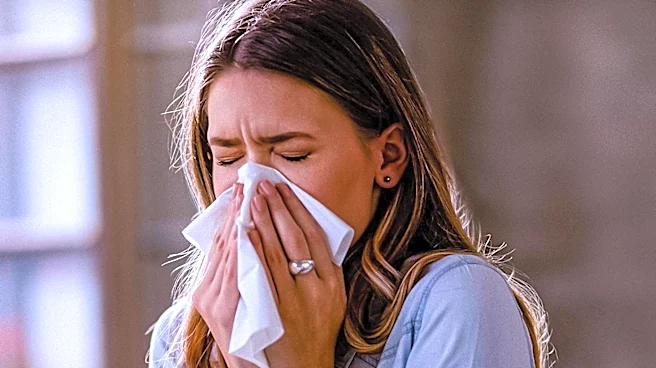
As fall and winter approach, children face increased risks from respiratory illnesses such as influenza, RSV, and COVID-19, along with other infections like strep throat, ear infections, and diarrheal diseases. Edilisa Ong, MD, a pediatrician with UT
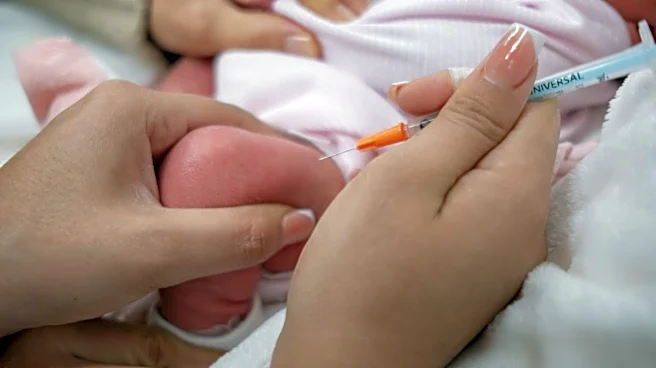
Health East Texas Physicians, stresses the critical role of vaccinations in protecting children and the wider community. She recommends that children be up-to-date on all vaccinations, particularly pneumococcal and pertussis (whooping cough) vaccines. For the colder months, the influenza vaccine is highly advised, especially for high-risk children under two years old, those with chronic lung or heart conditions, or weakened immune systems. Additionally, the RSV antibody shot is recommended for infants under eight months in their first RSV season and for high-risk infants over eight months. Dr. Ong highlights that vaccination not only protects the child but also provides 'shared protection' for vulnerable individuals like the elderly and immunocompromised.
Why It's Important?
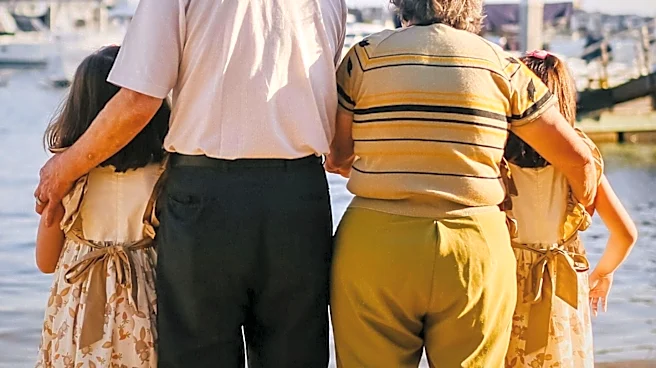
The emphasis on childhood vaccinations during fall and winter is crucial for several reasons, extending beyond individual health to broader public health and societal well-being. The concept of 'shared protection' or herd immunity, as articulated by Dr. Ong, means that high vaccination rates among children safeguard not only themselves but also vulnerable populations such as infants too young for immunization, the elderly, and immunocompromised individuals. This collective defense reduces the overall circulation of viruses, lessening the burden on healthcare systems and preventing severe outcomes in those most at risk. The recommendation for specific vaccines like influenza and RSV antibody shots for high-risk groups underscores the targeted approach needed to protect those most susceptible to severe disease. This proactive health strategy is vital for maintaining community health, ensuring schools and childcare facilities can operate safely, and minimizing disruptions caused by widespread illness.
What's Next?
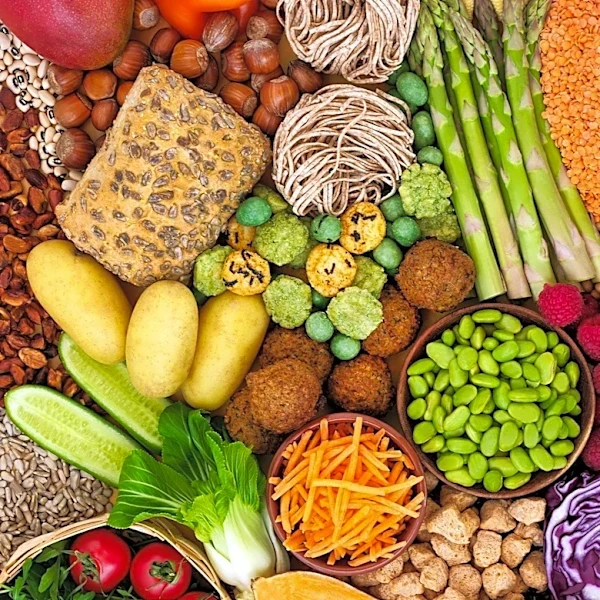
Parents are urged to consult with their pediatricians to ensure their children are current on all recommended vaccinations, especially before the peak fall and winter illness seasons. Public health campaigns will likely continue to promote the importance of childhood immunizations, emphasizing their role in protecting both the vaccinated child and the broader community. Healthcare providers will continue to offer influenza vaccines annually and administer RSV antibody shots to eligible infants. Beyond vaccinations, Dr. Ong advises maintaining good hygiene practices, such as proper handwashing and cough etiquette, and promoting healthy habits like balanced nutrition, physical activity, and adequate sleep to bolster children's immune systems. Parents should also be vigilant for worrisome symptoms and seek medical attention promptly when necessary.
Beyond the Headlines
The discussion around childhood vaccinations during seasonal illness outbreaks touches upon deeper societal values concerning collective responsibility and preventative healthcare. The idea that vaccinating one's child contributes to the protection of others, particularly the most vulnerable, reinforces the interconnectedness of community health. This perspective can help foster a more proactive and empathetic approach to public health, where individual health decisions are viewed through a broader societal lens. Furthermore, the focus on holistic health, including nutrition, exercise, and sleep, alongside vaccinations, highlights a comprehensive understanding of immune system support. Instilling these healthy habits early in life can have long-lasting positive impacts, shaping healthier generations and potentially reducing the prevalence and severity of various illnesses throughout adulthood, thereby contributing to a more resilient and healthier society.