








What's Happening?
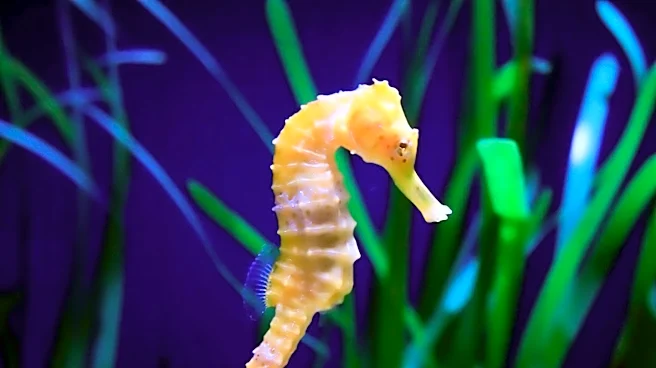
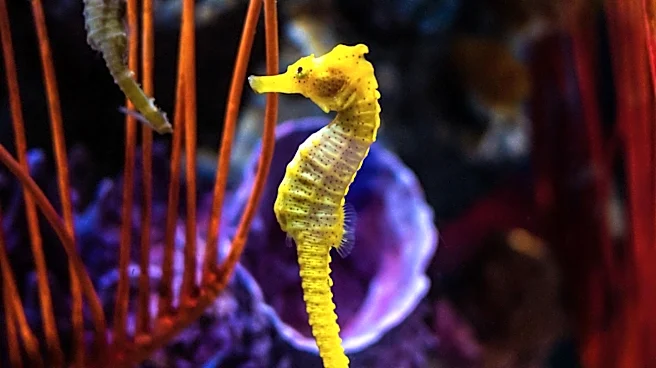
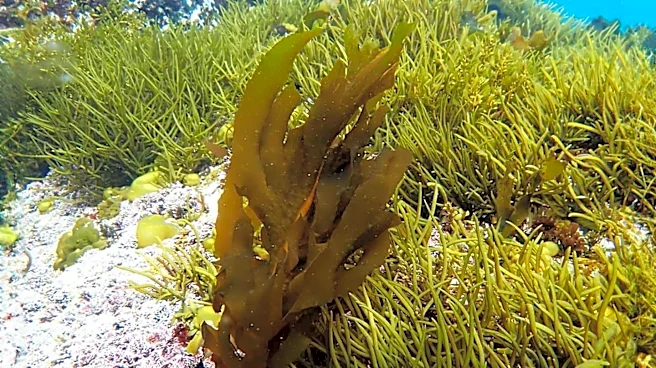
Seahorses, known for their unique appearance and upright swimming posture, are facing significant threats due to climate change and habitat degradation. These marine animals, which inhabit coastal ecosystems like seagrass meadows and coral reefs, are highly
sensitive to environmental changes such as warming waters and ocean acidification. Dr. Hadar Ella from Tel Aviv University highlights that while seahorses appear delicate, they possess a rapid feeding mechanism that allows them to capture prey with extraordinary speed. However, their poor swimming ability and reliance on specific habitats make them vulnerable to human activities and environmental changes. Conservation efforts are focusing on preserving these habitats and reducing marine plastic pollution, which poses a significant threat to seahorses and other marine life.
Why It's Important?
The plight of seahorses underscores the broader impact of climate change on marine biodiversity. As coastal habitats degrade, species like seahorses, which are already struggling due to their limited mobility and specific habitat needs, face increased risk of extinction. This situation highlights the urgent need for conservation efforts to protect these ecosystems. The decline of seahorse populations can have cascading effects on marine ecosystems, as they play a role in the food web and contribute to the ecological balance. Additionally, the challenges faced by seahorses serve as a reminder of the interconnectedness of environmental health and human activities, emphasizing the importance of sustainable practices to mitigate climate change impacts.
What's Next?
Future conservation strategies will likely focus on habitat restoration and stricter regulations on pollution, particularly plastic waste, which significantly impacts marine environments. Researchers will continue to study the adaptability of seahorses to rapid environmental changes, aiming to develop more effective conservation methods. Public awareness campaigns may also be intensified to encourage individual actions that reduce pollution and protect marine life. The scientific community will likely explore further the evolutionary adaptations of seahorses to understand better how they might cope with ongoing environmental changes.
Beyond the Headlines
The situation of seahorses also raises ethical considerations regarding human responsibility for environmental stewardship. As climate change accelerates, the ethical imperative to protect vulnerable species and habitats becomes more pressing. The cultural significance of seahorses in various regions could also play a role in conservation efforts, as local communities may be more motivated to protect species that hold cultural value. Long-term, the survival of seahorses could depend on global efforts to address climate change and reduce human impact on marine ecosystems.