







What's Happening?
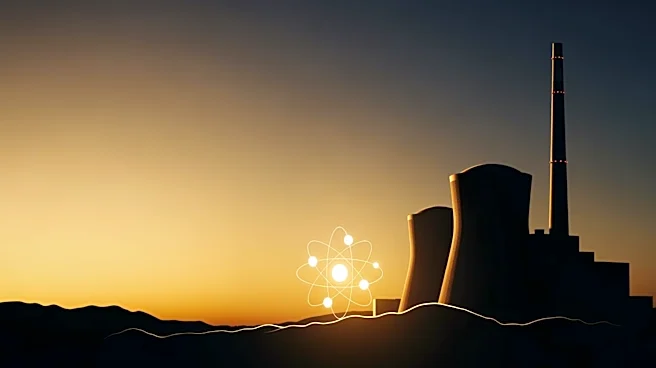
The European Commission has launched an in-depth investigation into Romania's plans to refurbish and extend the lifetime of Unit 1 at the Cernavoda nuclear power plant. The investigation will assess the appropriateness of the aid package, its impact on market
competition, and compliance with EU law. Romania aims to maintain the reactor's electricity generation capacity of 706 megawatts for an additional 30 years, crucial for ensuring long-term low-carbon electricity availability. The project, valued at €3.2 billion, seeks to enhance Romania's electricity supply security and contribute to EU decarbonization targets.
Why It's Important?
The refurbishment of the Cernavoda nuclear plant is vital for Romania's energy security and the EU's decarbonization goals. Nuclear power plays a significant role in providing low-carbon, reliable baseload electricity, essential for meeting climate targets. The investigation by the European Commission ensures that the aid package aligns with EU state aid rules, maintaining fair competition in the energy market. The project's success could set a precedent for similar initiatives across Europe, reinforcing the role of nuclear energy in the continent's energy transition.
What's Next?
The European Commission's investigation will determine the project's compliance with EU state aid rules, potentially influencing future nuclear energy projects in Europe. If approved, Romania's refurbishment plans could lead to increased investment in nuclear energy, supporting the EU's decarbonization efforts. Stakeholders, including energy companies and environmental groups, will likely engage in discussions about the project's implications for energy policy and climate goals.