



What's Happening?
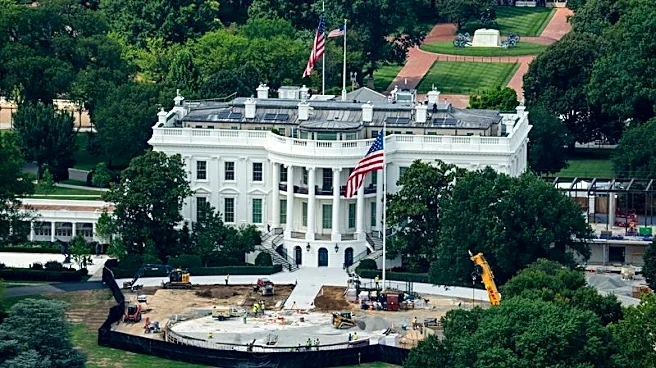
Chief Justice John Roberts of the U.S. Supreme Court has issued a temporary order allowing President Trump to continue construction on a ballroom at the White House. This decision comes after lower courts had ordered a halt to the project. The Chief Justice's
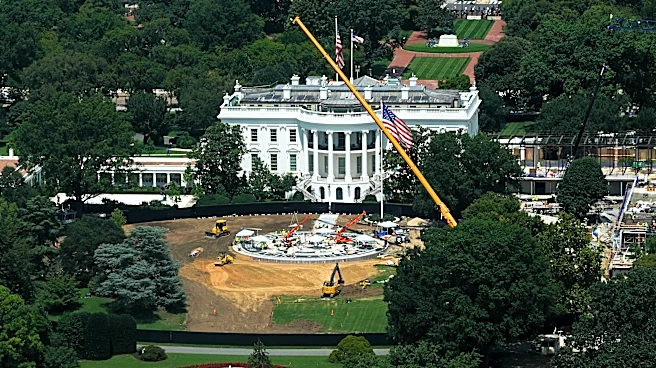
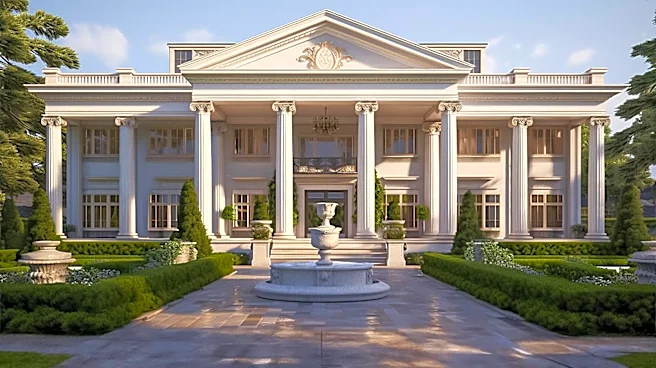
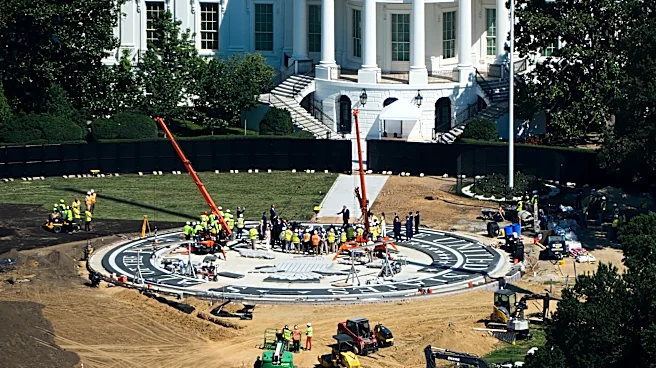
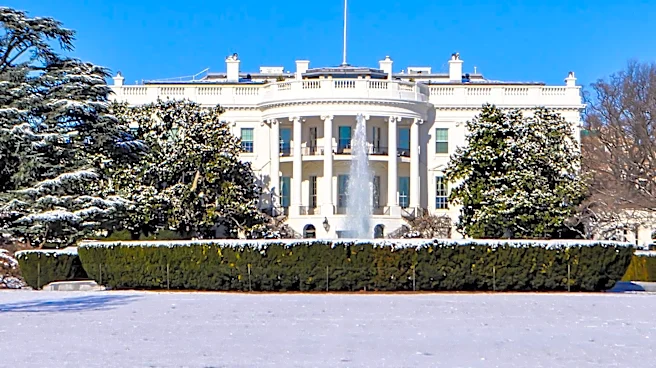
brief order aims to provide the Supreme Court with more time to consider an emergency request filed by President Trump. The appellate court had previously ruled that the 8,000-square-meter ballroom expansion requires congressional approval to proceed. The estimated cost of this project is around $400 million. President Trump has also revealed plans to build a military bunker beneath the ballroom, which he anticipates will be ready by 2028, coinciding with the next presidential election. He celebrated the Supreme Court's decision on Truth Social, emphasizing the project's importance for national security. The Justice Department's lawyers echoed this sentiment in a Supreme Court filing on August 14, citing assassination attempts and other recent threats as justification for the project's security necessity. President Trump unilaterally demolished a significant portion of the East Wing of the White House last October to make way for this ballroom, which is envisioned as a large, Versailles-style space with golden chandeliers.
Why It's Important?
This Supreme Court intervention highlights a significant legal and political clash regarding presidential authority and the oversight of White House modifications. The requirement for congressional approval for such a substantial expansion underscores the checks and balances inherent in the U.S. governmental structure. The project's considerable cost, estimated at $400 million, raises questions about fiscal responsibility and the allocation of public funds, especially given the ongoing debate about national priorities. Furthermore, the inclusion of a military bunker beneath the ballroom introduces a national security dimension, potentially altering the functional and symbolic role of the White House. Critics, including the National Trust for Historic Preservation, have voiced concerns about the destruction of a historical section of the White House, emphasizing its status as a national heritage site. This legal battle could set precedents for future presidential administrations regarding the scope of their power to alter federal properties and the level of congressional and public scrutiny required for such undertakings. The outcome will influence the balance of power between the executive and legislative branches concerning federal property development and preservation.
What's Next?
The Supreme Court will now take additional time to deliberate on President Trump's emergency request regarding the White House ballroom construction. This temporary allowance by Chief Justice Roberts means that construction can continue while the Court considers the full merits of the case. The ultimate decision by the Supreme Court will determine whether the project can proceed without congressional approval or if it will be permanently halted. This ruling could have long-term implications for the authority of future presidents to undertake significant structural changes to the White House and other federal properties. Stakeholders, including congressional leaders, historical preservation groups, and the public, will closely monitor the Court's proceedings. Depending on the final ruling, there could be further legislative actions or public discourse regarding the preservation of national landmarks and the extent of presidential powers. The 2028 presidential election, which President Trump mentioned in connection with the bunker's completion, adds a political layer to the project's timeline and perceived urgency.
Beyond the Headlines
The controversy surrounding the White House ballroom project extends beyond its immediate legal and financial implications, touching upon deeper ethical and cultural dimensions. The unilateral demolition of a historical section of the East Wing, despite its status as a national heritage site, raises questions about the balance between presidential prerogative and the preservation of national history and architecture. The proposed Versailles-style ballroom, with its opulent design, could be seen as a departure from the traditional aesthetic and symbolic modesty of the White House, potentially altering its public perception. The justification of a military bunker for national security, while seemingly practical, also invites scrutiny regarding the transparency of such claims and the potential for executive overreach. This situation highlights a broader tension in American society between modernization and historical preservation, and between executive power and democratic oversight. The long-term impact could be a re-evaluation of the processes governing changes to national monuments and a renewed focus on the ethical responsibilities of leaders in safeguarding cultural heritage for future generations.