


What's Happening?
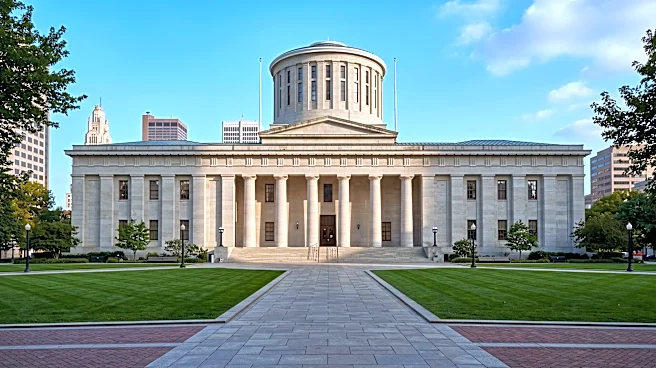
Jimmy and Dee Haslam, owners of the Cleveland Browns, are hosting a fundraiser for Republican gubernatorial nominee Vivek Ramaswamy and his running mate, Rob McColley, on September 1st. This event follows the Ohio Senate's approval of a $600 million state
grant for a new Browns stadium, a measure championed by McColley. The grant, sourced from Ohio's unclaimed funds, has been met with legal challenges, with a Franklin County magistrate issuing a preliminary injunction halting the transfer due to concerns about its constitutionality. David Jenkins, President of Haslam Sports Group and a key negotiator for the stadium deal, has already contributed over $43,000 to the Ramaswamy-McColley campaign. The fundraiser, with tickets starting at $1,000, is being held at the Haslams' Bratenahl home. This political activity occurs amidst ongoing scrutiny of the Haslam family's business practices, including a 2014 settlement by their company, Pilot Travel Centers, for deceptive practices, and recent legal disputes with Berkshire Hathaway regarding the sale of Pilot. Additionally, the Haslams' decision to acquire quarterback Deshaun Watson in 2022, despite multiple sexual assault allegations against him, has drawn significant criticism.
Why It's Important?
This event highlights the intricate relationship between wealthy sports franchise owners, political campaigns, and public funds in Ohio. The $600 million stadium grant, the largest single subsidy Ohio has ever committed to a professional sports franchise, raises questions about the allocation of state resources, particularly when derived from unclaimed funds intended for residents. The timing of the fundraiser, shortly after the grant's approval and amidst legal challenges, suggests a potential quid pro quo, as implied by Common Cause Ohio's Catherine Turcer. This situation could influence public perception of political integrity and the fairness of legislative processes. For Ohio taxpayers, the use of unclaimed funds for a private sports project, rather than other public services, is a significant concern. The legal battle over the grant's constitutionality could set a precedent for how public money is used for private ventures in the state. Furthermore, the Haslam family's history of legal issues and controversial team decisions, such as the Deshaun Watson acquisition, adds another layer of public scrutiny to their political engagements.
What's Next?
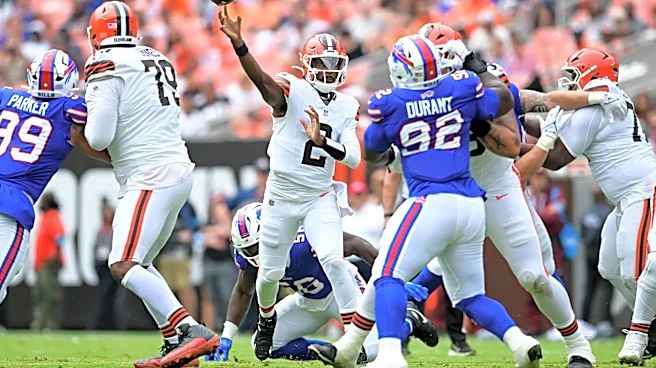
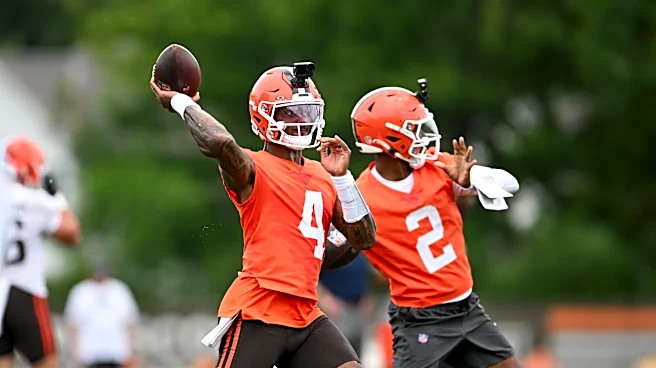
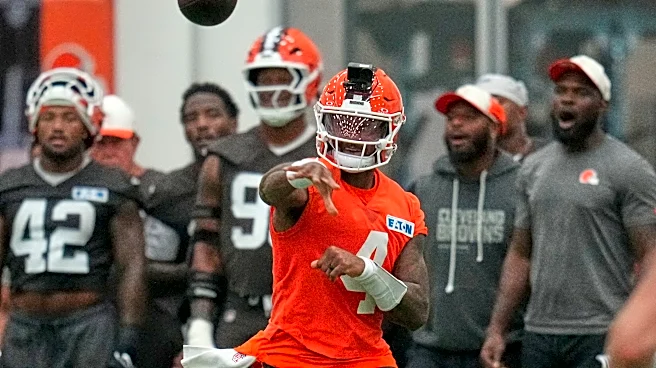
The fundraiser for Vivek Ramaswamy is scheduled for September 1st. The legal challenge against the $600 million stadium grant is ongoing, with a preliminary injunction currently halting the transfer of funds. The outcome of this lawsuit will determine the future of the stadium funding. The Ramaswamy-McColley campaign will continue its efforts to raise funds and garner support ahead of the gubernatorial election. Public and media attention will likely remain focused on the connections between political contributions and legislative decisions, especially concerning large public subsidies. The Cleveland Browns' plans for a new stadium in Brook Park are proceeding with construction underway, despite the legal hold on the state funding. The team's performance and the ongoing quarterback competition between Deshaun Watson and Shedeur Sanders will also continue to be a significant point of interest for fans and the media.
Beyond the Headlines
This situation delves into the broader ethical implications of campaign finance and the influence of money in politics. The practice of wealthy individuals and corporations contributing to political campaigns, especially after receiving significant public benefits, can erode public trust in government. The use of unclaimed funds, often belonging to ordinary citizens, for a private sports stadium raises questions about economic justice and the priorities of state legislatures. It also highlights the power dynamics between influential business owners and elected officials. The Haslam family's past legal issues and controversial decisions, such as the Deshaun Watson trade, contribute to a narrative of accountability and public responsibility for those in positions of power. This event could fuel calls for campaign finance reform and greater transparency in how public funds are allocated, particularly for projects involving private entities. The ongoing legal battle over the stadium grant underscores the importance of judicial oversight in safeguarding public resources and upholding constitutional principles.