




What's Happening?
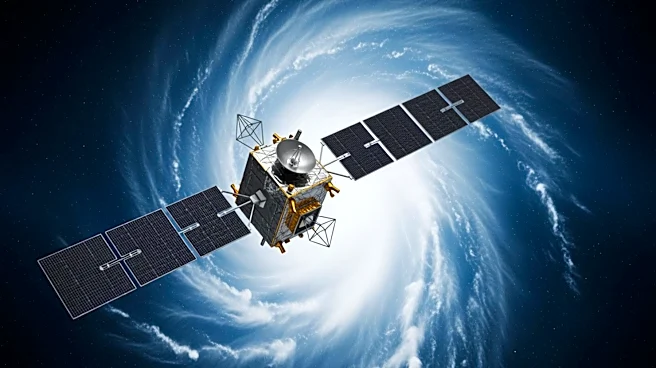
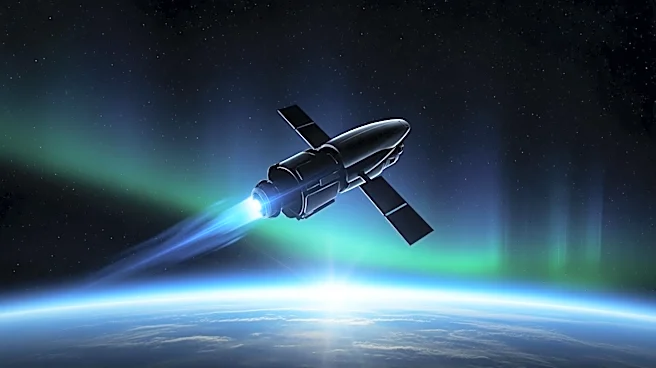
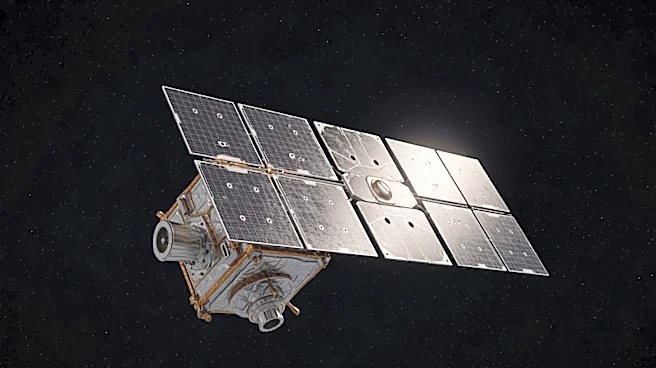
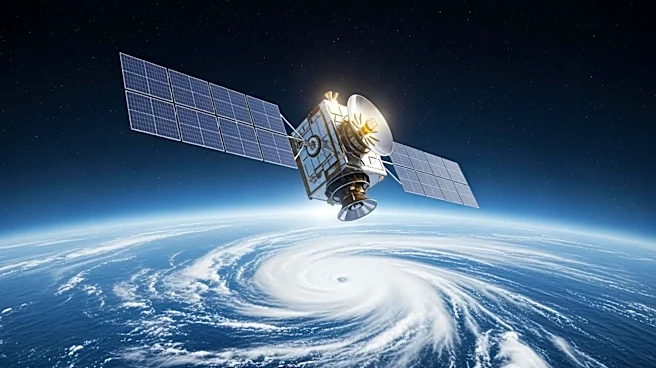
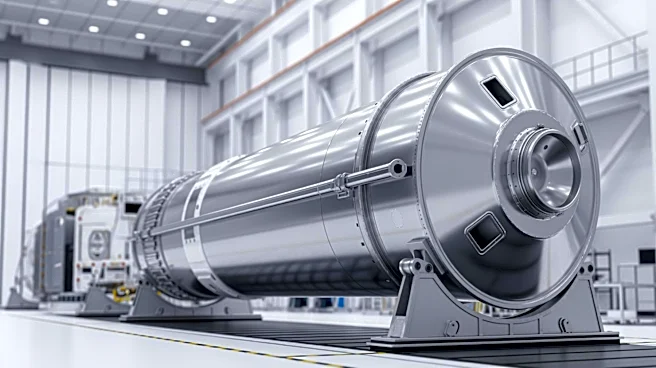
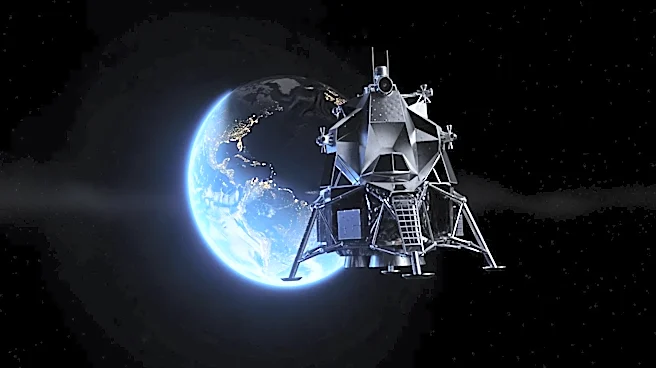
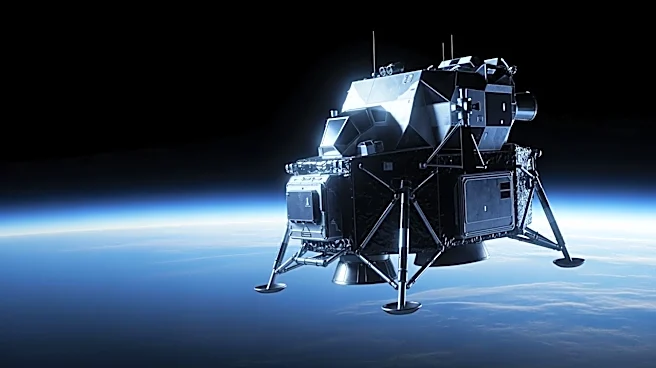
NASA has completed the integration of Katalyst Space's LINK robotic servicing spacecraft into a Northrop Grumman Pegasus XL rocket at the Wallops Flight Facility in Virginia. This integration is a crucial step in the mission to boost the orbit of NASA's
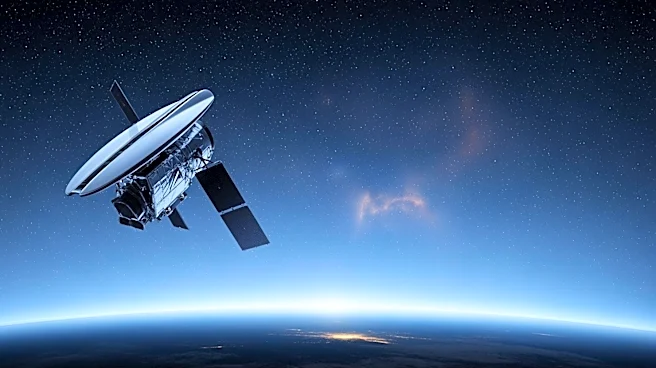
Neil Gehrels Swift Observatory, which has been experiencing a faster-than-expected orbital decay due to increased atmospheric drag from recent solar activity. The Pegasus XL rocket, chosen for its suitability to meet the mission's orbital and programmatic needs, will be launched by Northrop Grumman's Stargazer aircraft. The launch is scheduled to occur later this month, with the rocket being transported to the Kwajalein Atoll in the South Pacific Ocean for the final launch phase.
Why It's Important?
This mission is significant as it addresses the challenges of maintaining the operational altitude of satellites in low Earth orbit, which are affected by atmospheric drag. The successful boost of the Swift Observatory's orbit will extend its operational life, allowing it to continue its important work in observing gamma-ray bursts and other cosmic phenomena. The mission also highlights the collaboration between NASA and private companies like Katalyst Space and Northrop Grumman, showcasing the growing role of commercial entities in space exploration and satellite servicing. This partnership is crucial for advancing space technology and ensuring the sustainability of space missions.
What's Next?
Following the integration, the next steps involve transporting the Pegasus XL rocket to the launch site at Kwajalein Atoll. Once there, the final preparations for launch will be completed. The mission's success could pave the way for future collaborations and innovations in satellite servicing and orbital maintenance. Stakeholders in the space industry will be closely monitoring the mission's outcome, as it could influence future strategies for satellite operations and the development of new technologies to counteract orbital decay.