







What's Happening?
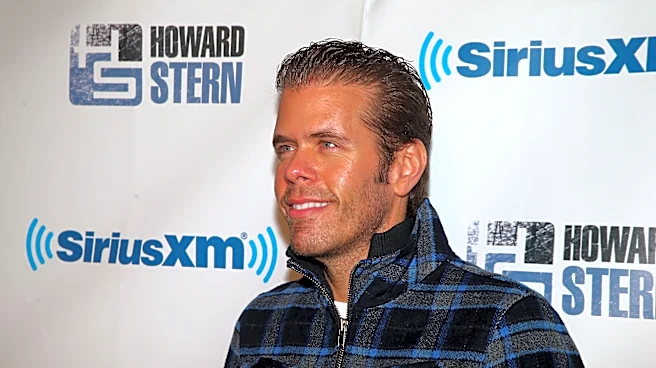
Perez Hilton, a well-known celebrity blogger, experienced a severe mental health crisis, which he broadcasted live on TikTok, leading to his hospitalization. During the incident, Hilton's three children, aged 13, 11, and 8, were present in the family
home in Miami. The children were quickly evacuated by their aunt and grandmother to protect them from further trauma. Hilton, a single father, has been the sole caregiver for his children, making the situation particularly challenging. The family has requested privacy and urged the media to respect the children's need for safety and normalcy as they begin to heal from the experience.
Why It's Important?
This incident highlights the critical issue of mental health awareness and the impact of public crises on families, especially children. Hilton's situation underscores the challenges faced by single parents dealing with mental health issues and the importance of support systems. The family's plea for privacy reflects the need for media and public sensitivity in such situations, emphasizing the balance between public interest and personal well-being. The event also raises questions about the role of social media in broadcasting personal crises and the responsibilities of platforms in managing such content.
What's Next?
The immediate focus for Hilton's family is ensuring the children's emotional recovery and stability. The family aims to provide a safe environment for the children to return home and regain a sense of normalcy. Hilton's recovery process will be closely monitored, with hopes for his eventual return to parenting duties. The incident may prompt discussions on mental health support for public figures and the responsibilities of social media platforms in crisis situations. The family's request for privacy may lead to increased awareness and advocacy for respectful media practices.
Beyond the Headlines
Hilton's crisis brings attention to the broader societal issues of mental health stigma and the need for comprehensive support systems for individuals and families. The situation highlights the potential consequences of public exposure during personal crises and the importance of privacy in recovery. It also underscores the role of family and community in providing support during challenging times, offering a reminder of the collective responsibility to protect vulnerable individuals, especially children, from trauma.