





What's Happening?
Afghanistan is projected to experience a significant increase in acute malnutrition among children by 2027, with an estimated 1.09 million children expected to suffer from severe acute malnutrition. This represents a 16% rise from 2026 figures. The overall
number of children needing urgent treatment for malnutrition is expected to exceed 4 million in 2027, marking the highest recorded number in the past five years. The Integrated Phase Classification (IPC) for Acute Malnutrition indicates a worsening situation, with the number of provinces facing critical malnutrition levels projected to increase from 7 in 2025 to 14 in 2027, encompassing over one-third of Afghanistan's provinces. This crisis is attributed to several factors, including difficulties in accessing nutritious food and safe water, recurrent outbreaks of acute watery diarrhea, measles, and other preventable illnesses. Additionally, cross-border disruptions have impacted the availability of essential nutrition supplies, further straining response efforts and delaying access to life-saving commodities for children.
Why It's Important?
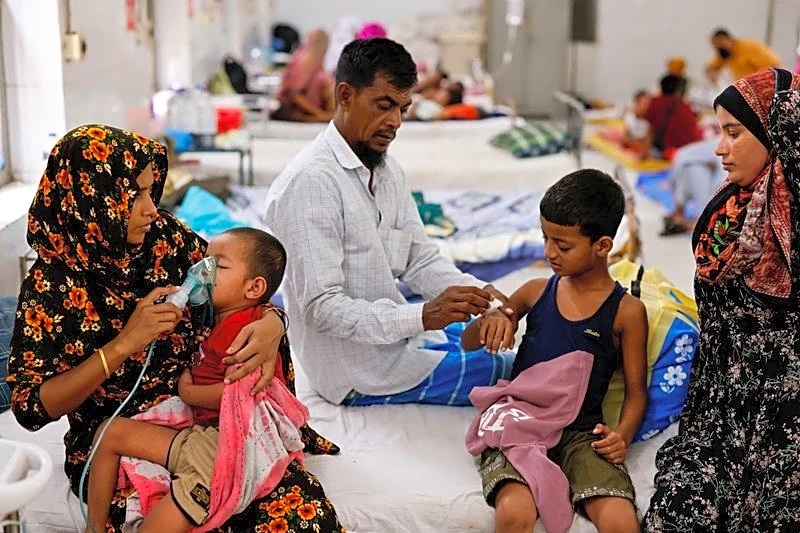
The escalating malnutrition crisis in Afghanistan poses a severe threat to the health and development of millions of children. The projected increase in severe acute malnutrition means more children are at higher risk of illness, developmental delays, and death if timely treatment is unavailable. This situation also impacts nearly 1.3 million pregnant or breastfeeding women who are expected to suffer from malnutrition during the same period. The crisis highlights systemic vulnerabilities within Afghanistan, including food insecurity, inadequate access to clean water, and a fragile healthcare system susceptible to disease outbreaks. The anticipated funding shortfalls could further reduce access to preventive nutrition services and disrupt critical treatment, exacerbating the humanitarian emergency. The long-term consequences include a generation of children with compromised physical and cognitive development, perpetuating a cycle of poverty and poor health outcomes for the nation.
What's Next?
Without immediate and sustained funding, the acute malnutrition situation in Afghanistan is expected to deteriorate further. The Nutrition Cluster, co-chaired by UNICEF and Action Against Hunger, warns that urgent investment is required to maintain life-saving food, nutrition, and health services. This includes ensuring access to safe water, sanitation, and livelihood support to address immediate needs and the underlying causes of malnutrition. Early detection and the consistent availability of nutrition commodities and treatment are crucial. The international community and humanitarian organizations will need to prioritize sustained, predictable investment to keep essential services within reach of vulnerable families. Failure to secure timely funding will lead to increased human suffering and higher financial costs for future response efforts, as the crisis deepens and its impacts become more widespread.
Beyond the Headlines
The deepening malnutrition crisis in Afghanistan extends beyond immediate health concerns, reflecting broader systemic failures and geopolitical challenges. The inability of families to access nutritious food and safe water points to profound economic instability and a breakdown in essential services. The impact of cross-border disruptions on supply chains underscores the fragility of humanitarian aid delivery in complex environments. This crisis also highlights the ethical imperative for global solidarity and sustained humanitarian assistance, particularly in regions facing multiple overlapping crises. The long-term implications include potential societal instability, increased migration pressures, and a generation of children whose full potential may be unrealized, creating a lasting legacy of underdevelopment and vulnerability. Addressing this crisis requires not only immediate aid but also long-term strategies for sustainable development, peace, and resilience-building.