



What's Happening?
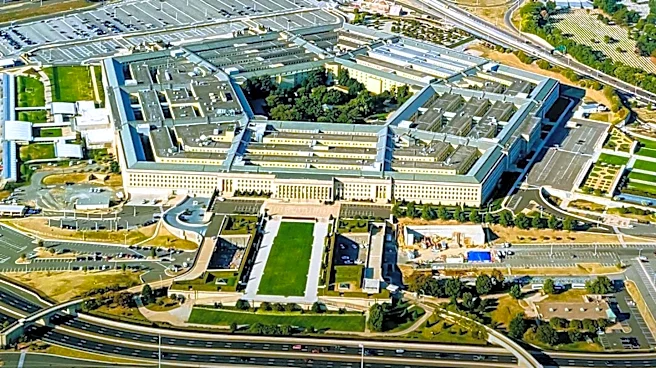
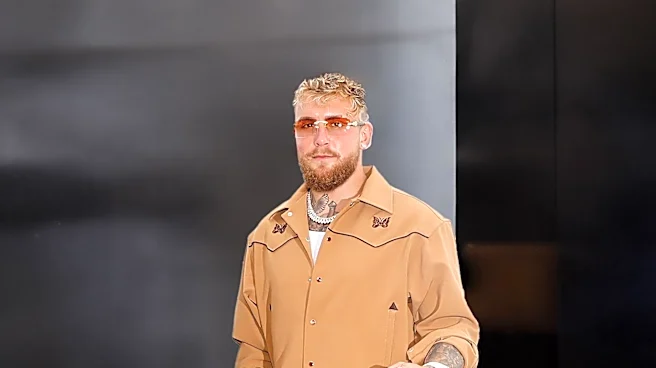
Secretary of Defense Pete Hegseth recently hosted internet personalities and boxers Logan and Jake Paul at the Pentagon. The brothers were given a tour of the premises, including a visit to the 9/11 memorial, and delivered a speech to military personnel
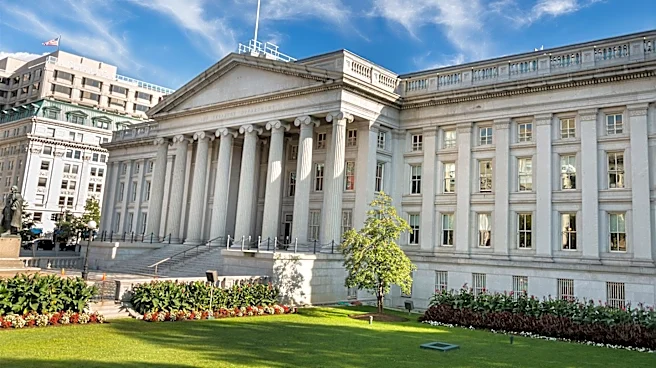
and civil staff. The Department of Defense released a video of the visit, which featured dramatic music and showed the Paul brothers interacting with military members and Hegseth. During their visit, Logan Paul emphasized the commitment and sacrifice of those who serve their country. Jake Paul also met with Treasury Secretary Scott Bessent, who praised Jake's journey from content creator to entrepreneur and professional boxer as a distinctly American story. This event follows a trend of combat sports figures, often associated with President Trump, engaging with government officials and institutions.
Why It's Important?
This event is significant as it highlights the intersection of popular culture, social media influence, and government engagement. The presence of high-profile internet personalities like Logan and Jake Paul at the Pentagon, hosted by the Secretary of Defense, can be seen as an attempt to connect with a younger demographic and potentially influence public perception of the military and government. For the Paul brothers, such visits can enhance their public image and legitimacy beyond their entertainment careers, potentially opening doors to further political or public service involvement. The Treasury Secretary's commendation of Jake Paul's entrepreneurial journey also underscores a narrative of American success and self-made achievement, which can resonate with certain political ideologies. This interaction also reflects a broader trend where figures from entertainment and sports are increasingly involved in political and governmental spheres, blurring the lines between celebrity and public policy.
What's Next?
The visit by Logan and Jake Paul to the Pentagon could lead to further engagements between high-profile social media influencers and government institutions. This might include more public appearances, collaborations on awareness campaigns, or even advisory roles, as government entities seek new ways to communicate with and engage the public, particularly younger audiences. The Department of Defense's decision to publicize the visit with a video suggests an intention to leverage the Paul brothers' reach. Future interactions could also involve other celebrities or influencers, potentially leading to a more formalized strategy for government outreach through popular culture figures. Conversely, such events may also draw criticism regarding the appropriateness of involving entertainment figures in serious governmental affairs, potentially sparking debates about the role of celebrity in public discourse and national security.
Beyond the Headlines
The Pentagon visit by Logan and Jake Paul raises deeper questions about the evolving nature of public relations and influence in the digital age. The government's engagement with social media stars reflects a recognition of their immense reach and ability to shape public opinion, particularly among demographics that traditional media might not effectively reach. This strategy could be viewed as a modern form of public diplomacy, aiming to humanize government institutions and foster a sense of connection with the populace. However, it also brings to the forefront concerns about the potential for politicization of non-political institutions and the blurring of lines between entertainment and serious governance. The event also subtly underscores the growing influence of combat sports figures in political circles, a trend that has become more pronounced in recent years, suggesting a shift in who is considered a credible or influential voice in national conversations.