









What's Happening?
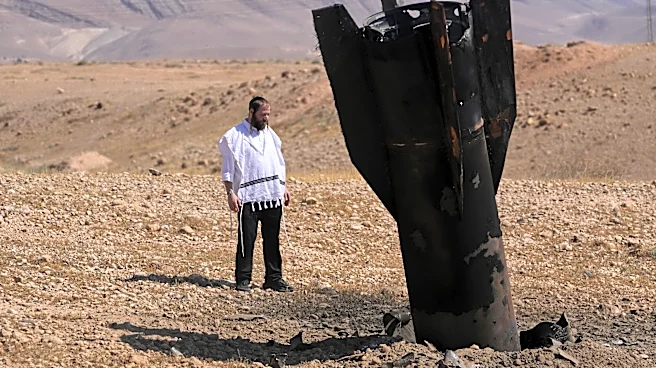
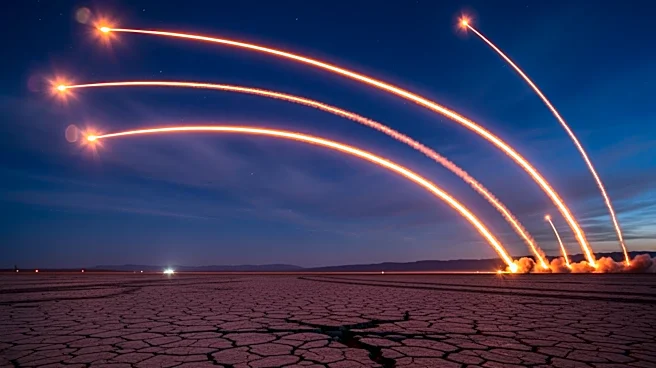
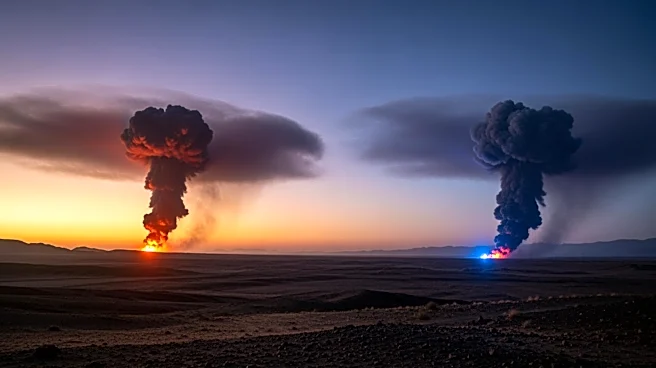
Recent missile exchanges between Iran and Israel have tested the fragile ceasefire established in April. Iran launched missile barrages at Israel following Israeli strikes in Beirut's Dahiyeh district, prompting Israeli retaliation against Iranian targets.
The renewed hostilities reflect underlying dissatisfaction with the ceasefire, as Iran faces pressure from U.S. sanctions and Israel remains wary of Hezbollah's activities in Southern Lebanon. President Trump has called for an immediate halt to the violence, emphasizing ongoing negotiations for peace. The situation underscores the complex dynamics between Iran, Israel, and the U.S., with Iran linking developments in Lebanon to its broader strategic interests.
Why It's Important?
The escalation highlights the precarious nature of the ceasefire and the broader geopolitical tensions in the Middle East. For the U.S., maintaining stability in the region is crucial, as it navigates its diplomatic and military strategies. The conflict impacts global energy markets and regional security, with potential repercussions for U.S. allies. The situation also underscores the challenges in addressing Iran's influence through its proxies, such as Hezbollah, and the need for a comprehensive approach to regional peace and security.
What's Next?
The international community, led by the U.S., may intensify diplomatic efforts to de-escalate tensions and seek a durable resolution. Continued negotiations could focus on addressing Iran's nuclear ambitions and its regional activities. The U.S. may also work with allies to strengthen deterrence measures and ensure Israel's security. Monitoring the situation will be essential to prevent further escalation and to support a sustainable peace framework.