
What's Happening?
The Kremlin has acknowledged a temporary moratorium on striking Ukrainian energy infrastructure, following a personal request from U.S. President Donald Trump to Russian President Vladimir Putin. This
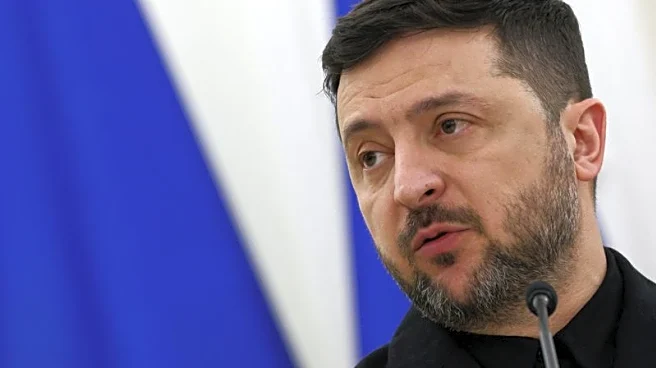
pause, confirmed by Kremlin Spokesperson Dmitry Peskov, is set to last until February 1. Ukrainian President Volodymyr Zelensky reported that Russian forces did not target energy facilities overnight on January 29-30, although strikes occurred during the day on January 29. Despite the temporary halt, Russian forces have shifted focus to targeting Ukrainian logistics. Some Russian Duma deputies and military bloggers have expressed dissatisfaction with the moratorium, viewing it as not a significant concession from Russia, which continues to reject a long-term ceasefire.
Why It's Important?
The temporary halt in strikes on Ukrainian energy infrastructure is significant as it provides a brief respite for Ukraine's energy sector, which has been under continuous threat. This development highlights the influence of diplomatic interventions, such as President Trump's request, in temporarily altering military strategies. However, the dissatisfaction among Russian officials and military bloggers suggests internal disagreements on the strategic benefits of the pause. The ongoing conflict and Russia's refusal to commit to a long-term ceasefire continue to pose challenges for peace negotiations and stability in the region.
What's Next?
As the moratorium is set to expire on February 1, it remains to be seen whether the Kremlin will extend the pause or resume strikes on Ukrainian energy infrastructure. The international community, including the U.S., may continue diplomatic efforts to negotiate a more extended ceasefire. Meanwhile, Ukraine must prepare for potential renewed attacks on its energy facilities and continue to strengthen its logistics and defense capabilities.