







What's Happening?
The New York State Association of Counties (NYSAC), in conjunction with the New York State Association for Solid Waste Management (NYSASWM), recently testified before the Assembly Standing Committee on Environmental Conservation and the Legislative Commission
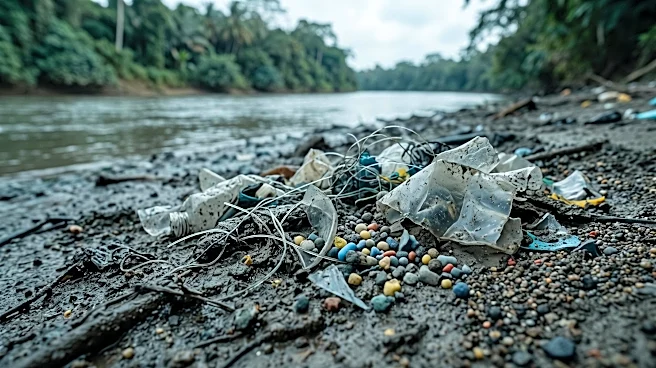
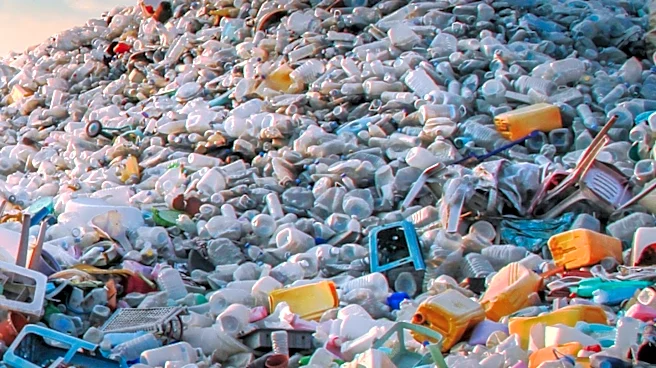
on Solid Waste Management. Stephen Acquario, NYSAC Executive Director, highlighted the critical role counties play in waste management, including operating landfills and supporting recycling and composting initiatives. The testimony underscored the significant challenges facing New York's municipal solid waste system, such as diminishing landfill capacity, escalating operating costs, and increasingly intricate environmental regulations. The associations advocated for a comprehensive strategy to safeguard existing disposal capacity, enhance recycling and waste reduction efforts, and develop a long-term plan for managing waste safely, sustainably, and affordably across the state. Key recommendations included increased state funding for municipal waste management infrastructure and expanded producer responsibility to alleviate financial burdens on local taxpayers.
Why It's Important?
The issues raised by NYSAC and NYSASWM are crucial for the environmental and economic well-being of New York State. Shrinking landfill capacity directly impacts waste disposal costs, which are ultimately borne by taxpayers and local governments. Rising operating costs for waste management facilities can strain municipal budgets, potentially leading to reduced services or increased taxes. Furthermore, complex environmental regulations, while necessary for public health and ecological protection, add layers of compliance and financial demands on waste management operations. A failure to address these challenges comprehensively could result in environmental degradation, increased illegal dumping, and significant financial instability for local communities. The proposed solutions, such as increased state funding and expanded producer responsibility, aim to distribute the financial burden more equitably and incentivize sustainable practices, benefiting both the environment and the state's economic stakeholders.
What's Next?
Following the testimony, state lawmakers are expected to consider the recommendations put forth by NYSAC and NYSASWM. The call for increased state funding for municipal waste management infrastructure suggests potential legislative action to allocate more resources to local governments for facility upgrades, maintenance, and new projects. The proposal for expanded producer responsibility could lead to new policies requiring manufacturers to take greater accountability for the lifecycle of their products, potentially reducing the volume of waste entering the municipal stream and shifting some costs away from taxpayers. A coordinated statewide plan would necessitate collaboration among various state agencies, local governments, and waste management stakeholders to develop a unified strategy for long-term waste management. These discussions and potential legislative changes will shape the future of waste disposal, recycling, and resource recovery in New York State for decades to come.
Beyond the Headlines
The challenges in New York's solid waste management system extend beyond immediate operational and financial concerns, touching upon broader societal and ethical implications. The concept of expanded producer responsibility, for instance, represents a shift towards a more circular economy, where manufacturers are incentivized to design products that are durable, reusable, and recyclable. This could foster innovation in product design and material science, leading to a reduction in overall waste generation. Moreover, the emphasis on sustainable and affordable waste management highlights the equity dimension of environmental policy; ensuring that all communities, regardless of their socioeconomic status, have access to effective and environmentally sound waste disposal options. The long-term planning advocated by NYSAC and NYSASWM also underscores the intergenerational responsibility to manage resources prudently and minimize environmental impact for future generations, reflecting a deeper commitment to ecological stewardship.