






What's Happening?
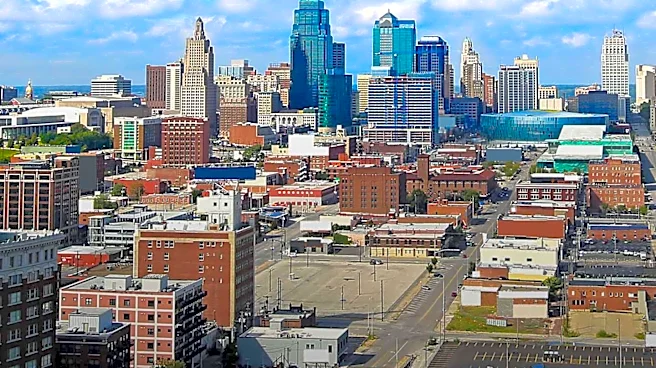
Springfield, Missouri, is experiencing its most significant population surge in two decades, leading to mounting pressures on the city's infrastructure, including roads, utilities, and public services. This rapid growth is driven by job opportunities
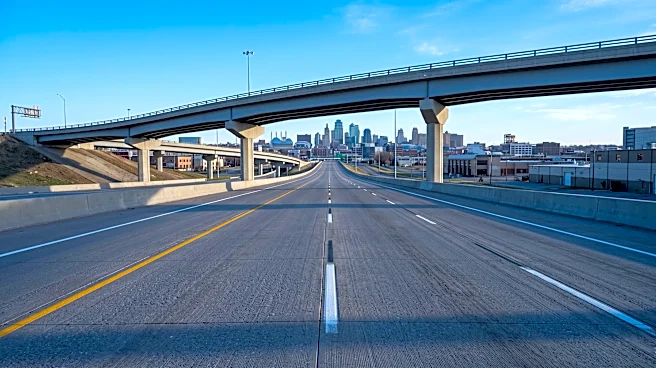
in healthcare, logistics, and advanced manufacturing, attracting workers from neighboring states. The city's population increased by over 8 percent between the 2020 census and mid-2023 estimates, making it one of Missouri's fastest-growing metropolitan areas. Economic development officials point to strategic investments in industrial parks and technology zones as key drivers. However, this expansion has resulted in roadway congestion, with several key intersections operating beyond their designed capacity during peak hours. City engineers are proposing phased improvements to major corridors, including turn lane additions and adaptive traffic signal systems, to address these issues. The housing market has also shifted, with median home prices rising 12 percent year-over-year, and builders are responding with new developments, though inventory remains constrained.
Why It's Important?
The rapid growth in Springfield, MO, highlights a broader national trend where mid-sized cities face the challenge of balancing economic expansion with sustainable resource management. The strain on infrastructure, particularly transportation and housing, can significantly impact the quality of life for residents and the efficiency of local businesses. Increased commute times and housing affordability concerns could deter future growth if not adequately addressed. For industries, reliable infrastructure is crucial for logistics and employee access. The situation also underscores the importance of data-driven decision-making by local government leaders and transparent public engagement to ensure that development benefits all stakeholders. The need for a balanced approach between development speed and environmental safeguards is also a critical consideration, as unchecked growth could lead to long-term environmental degradation and increased demands on public services like education and public safety.
What's Next?
Springfield's future trajectory will depend on coordinated efforts among government, business, and community leaders. City planners and state agencies are conducting rigorous reviews of underlying infrastructure concerns. Fiscal analysts anticipate that funding for proposed improvements will rely on a combination of municipal bonds, state grants, and federal infrastructure allocations. Public meetings are drawing mixed reactions, indicating ongoing debate about immediate costs versus long-term benefits. Policy proposals on the horizon include incentives for small-scale infill development, streamlined permitting processes to reduce construction delays, and public-private partnerships to support workforce housing. Environmental reviews are also intensifying scrutiny of project timelines, particularly regarding impacts on green spaces. Regular forums and advisory committees are being established to facilitate ongoing dialogue about priorities and trade-offs, aiming to ensure that challenges become catalysts for resilient and inclusive progress.
Beyond the Headlines
The situation in Springfield reflects a complex interplay between economic opportunity, urban planning, and community well-being. Beyond the immediate infrastructure challenges, the rapid population growth raises deeper questions about social equity and environmental sustainability. Housing advocates are concerned that without proactive measures, lower-income families could be displaced to peripheral areas with limited access to essential services, exacerbating social inequalities. The debate over development speed versus environmental safeguards touches upon the ethical responsibility of current generations to preserve natural resources for future ones. The increased demand on public services, such as libraries, public safety, and education, necessitates strategic zoning and investment to prevent widening disparities in service access. This growth also presents an opportunity for the city to innovate in areas like energy-efficient construction and stormwater management, potentially setting a precedent for other growing urban centers.