






What's Happening?
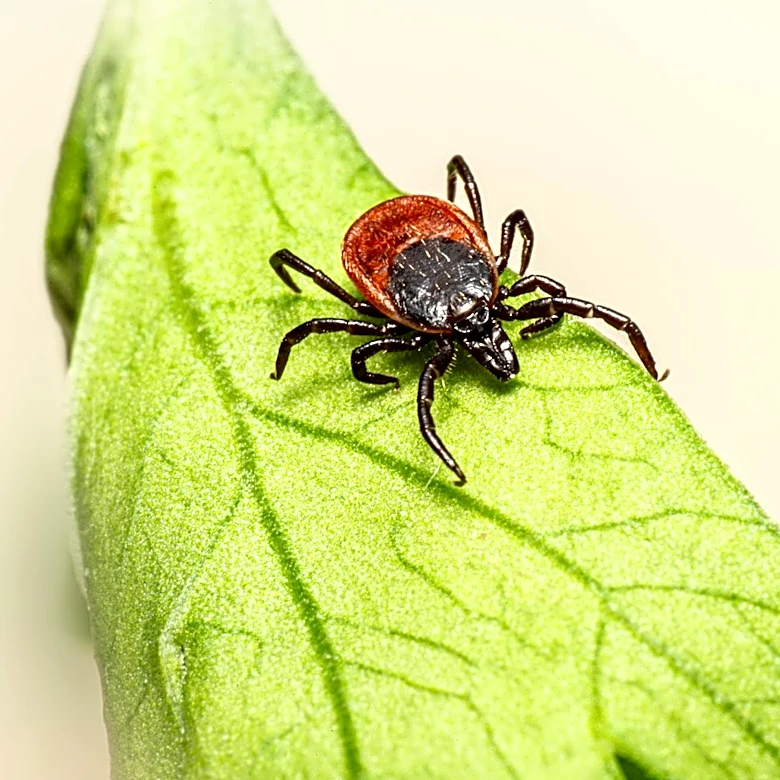
Emergency room visits for tick bites have reached unprecedented levels for this time of year, marking the highest since 2017. This surge is primarily observed in the Northeast and Midwest regions of the United States, attributed to warmer temperatures
that have increased tick activity. According to the Centers for Disease Control and Prevention (CDC), an estimated 476,000 people are treated for Lyme disease annually, making it the most common tick-borne illness in the country. The blacklegged tick and the Western blacklegged tick, also known as deer ticks, are the primary carriers of Lyme disease. The disease is prevalent in the Upper Midwest, Northeast, and Mid-Atlantic states. The CDC emphasizes the importance of preventive measures, such as performing tick checks after outdoor activities, to mitigate the risk of Lyme disease.
Why It's Important?
The rise in tick bites and subsequent Lyme disease cases poses significant public health challenges. Lyme disease can lead to severe health issues if not diagnosed and treated promptly, affecting individuals' quality of life and increasing healthcare costs. The increase in tick populations is linked to climate change, with warmer winters and expanding habitats allowing ticks to thrive and spread. This trend underscores the need for public awareness and preventive strategies to manage tick-borne diseases effectively. The healthcare system may face increased pressure due to the higher number of cases, necessitating more resources for diagnosis, treatment, and public education.
What's Next?
As tick activity continues to rise, public health officials may intensify efforts to educate the public on preventive measures and early detection of Lyme disease. This could involve campaigns to raise awareness about the importance of tick checks and the symptoms of Lyme disease. Additionally, research into more effective tick control methods and Lyme disease treatments may become a priority. Policymakers might also consider environmental strategies to manage tick populations, such as habitat modification and climate change mitigation efforts.
Beyond the Headlines
The increase in tick-borne diseases highlights broader environmental and public health issues. It reflects the impact of climate change on ecosystems and the subsequent effects on human health. This situation may prompt discussions on the need for integrated approaches to health and environmental policy, emphasizing the interconnectedness of human health and environmental sustainability. Furthermore, it raises ethical considerations regarding resource allocation for disease prevention and the responsibility of governments to protect public health in the face of environmental changes.