
What's Happening?
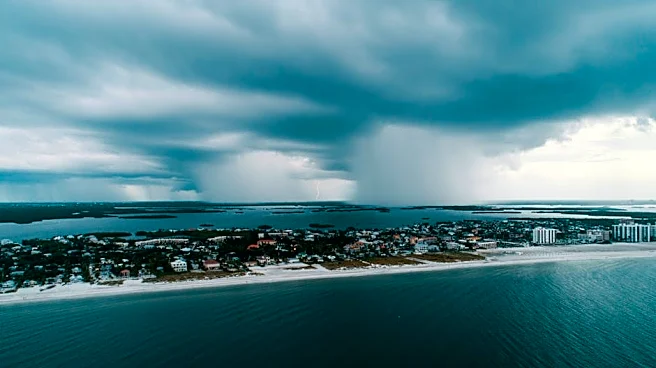
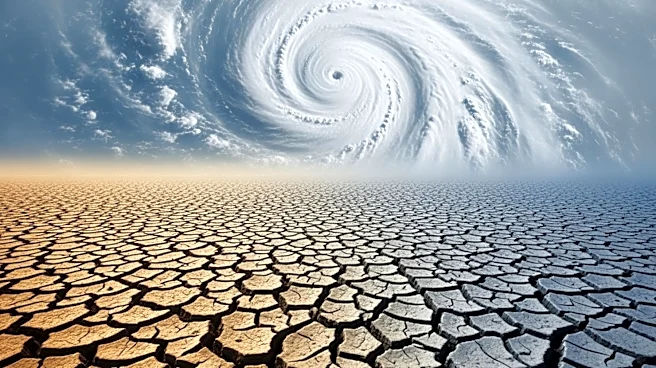
Meteorologists warn that ongoing drought conditions in Florida could exacerbate the impacts of hurricanes this season. The Atlantic hurricane season, running from June to November, is expected to be below
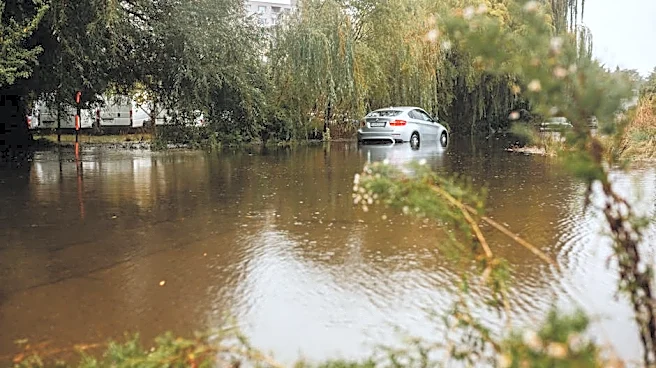
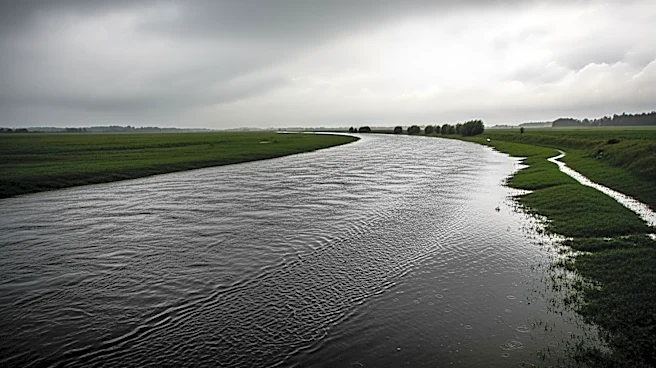
average due to El Niño, which typically suppresses storm formation. However, the drought has left the ground hardened, increasing the risk of flash flooding when storms occur. Wildfire burn scars further compound this risk by allowing rapid water runoff. Despite fewer expected storms, those that do form could cause significant damage, particularly in drought-affected areas. The National Hurricane Center is monitoring potential storm development in the Gulf.
Why It's Important?
The combination of drought and potential hurricanes poses a significant threat to Florida's infrastructure and communities. Hardened soil and weakened vegetation increase the likelihood of severe flooding and property damage. This situation underscores the importance of preparedness and resilience planning, as even a single storm could have devastating effects. The economic and social impacts could be substantial, affecting everything from agriculture to housing. Understanding these risks is crucial for policymakers and residents to mitigate potential damages and ensure safety.
What's Next?
As the hurricane season progresses, continuous monitoring of weather patterns and drought conditions will be essential. Residents are urged to prepare for potential storms, despite the forecast of a quieter season. Emergency management agencies may need to adjust their strategies to account for the unique challenges posed by the drought. The situation highlights the need for long-term climate adaptation strategies to address the increasing frequency and intensity of extreme weather events.