






What's Happening?
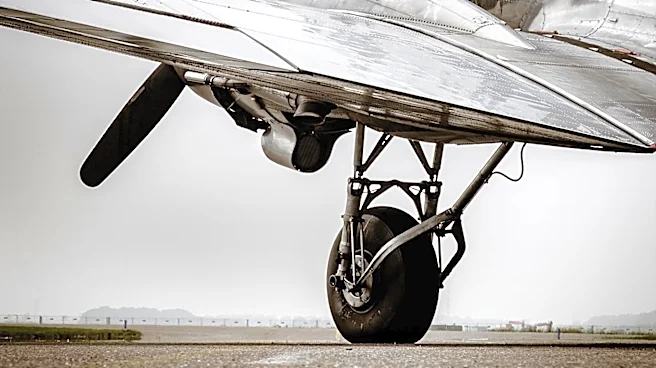
The wreckage of a Douglas DC-4 aircraft, which fatally ditched in the Atlantic Ocean in 1952, has been discovered during a deep-sea search. The aircraft, operated by Pan American World Airways, was found at a depth of 2,000 feet. The discovery was made
by the Air/Sea Heritage Foundation in partnership with Deep Sea Vision. The DC-4, named 'Clipper Endeavor', sank after departing Puerto Rico for New York, leading to the loss of 52 out of 64 passengers. The incident prompted significant changes in aviation safety regulations, including the mandatory provision of life-vests and passenger briefings on their use.
Why It's Important?
The discovery of the DC-4 wreckage serves as a poignant reminder of the importance of aviation safety measures. The tragic loss of life in 1952 highlighted the need for better emergency preparedness on flights, leading to regulatory changes that have since become standard practice. These measures have undoubtedly saved countless lives by ensuring passengers are better equipped to handle emergencies. The find also offers an opportunity for historical reflection and learning, as it provides tangible evidence of past aviation practices and the evolution of safety standards over time.
Beyond the Headlines
Beyond the immediate historical significance, the discovery of the DC-4 wreckage may also contribute to ongoing discussions about aviation safety and the importance of continuous improvement in safety protocols. It underscores the need for rigorous maintenance and operational checks to prevent similar tragedies. Additionally, the involvement of the Discovery Channel in documenting the search and discovery process highlights the role of media in preserving and disseminating historical knowledge, potentially reaching a wide audience and raising awareness about aviation history and safety.