







What's Happening?
Pride celebrations across the United States are experiencing significant funding shortfalls as corporate sponsors withdraw their financial support. This trend has been exacerbated under President Trump's administration, which has seen a reduction in support for
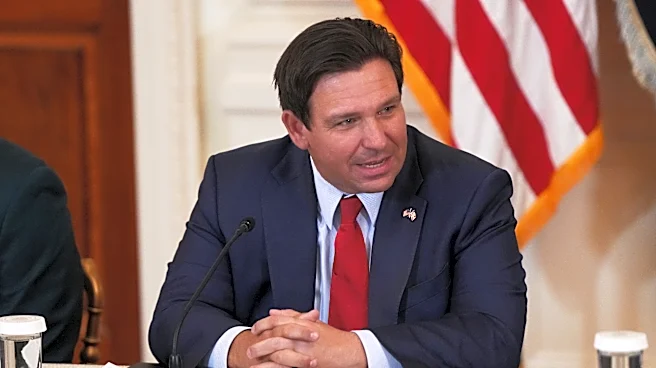
Diversity, Equity, and Inclusion (DEI) initiatives. New York City Pride, a major organizer of the annual Pride March, is reportedly half a million dollars short of its fundraising goal. Similarly, Key West in Florida will no longer receive state funding for its Pride events following a new law signed by Governor Ron DeSantis. Other cities, including Pittsburgh, San Francisco, D.C., and Seattle, are also facing financial challenges as former donors like Walmart pull back their support. Despite these setbacks, local and small queer-owned businesses are stepping up to fill the gap, although their contributions are not as substantial as those from larger corporations.
Why It's Important?
The withdrawal of corporate funding for Pride events highlights a broader issue of performative allyship, where companies publicly support LGBTQ+ causes but fail to provide substantial backing when it matters. This situation underscores the vulnerability of Pride celebrations to political and economic shifts, particularly under administrations that do not prioritize DEI initiatives. The financial challenges faced by Pride organizers could lead to reduced visibility and support for the LGBTQ+ community, potentially impacting advocacy efforts and community morale. However, the increased involvement of local businesses and individuals demonstrates the community's resilience and ability to mobilize resources independently, emphasizing the importance of grassroots support in sustaining LGBTQ+ events and rights.
What's Next?
As Pride organizers continue to face funding challenges, they are increasingly relying on community support and smaller local businesses to sustain their events. New York City Pride, for instance, has launched a peer-to-peer fundraiser to help cover costs. Organizers are encouraging individuals to donate and spread awareness about the funding issues. This shift towards community-driven support may lead to a more sustainable model for future Pride events, reducing reliance on corporate sponsorships. Additionally, the ongoing political climate under President Trump may prompt further activism and engagement from the LGBTQ+ community to protect their rights and visibility.