





What's Happening?
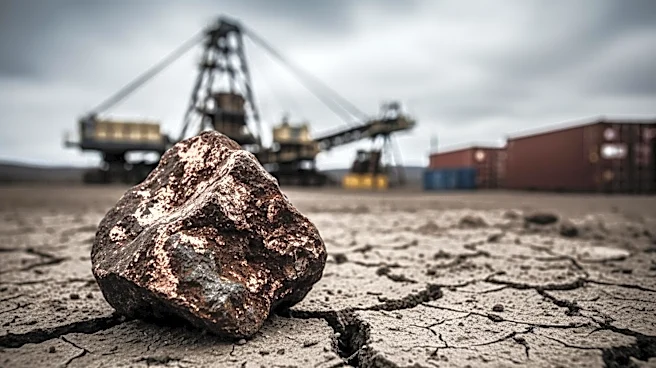
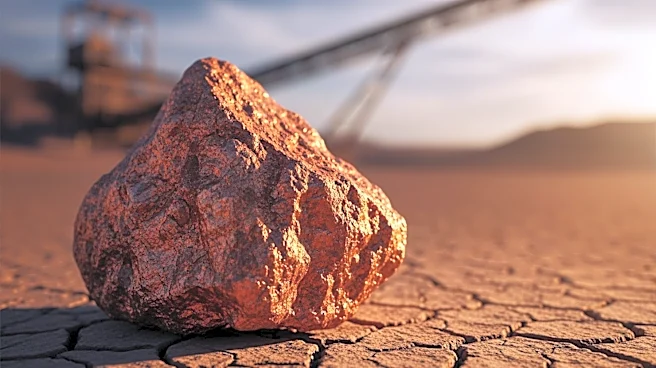
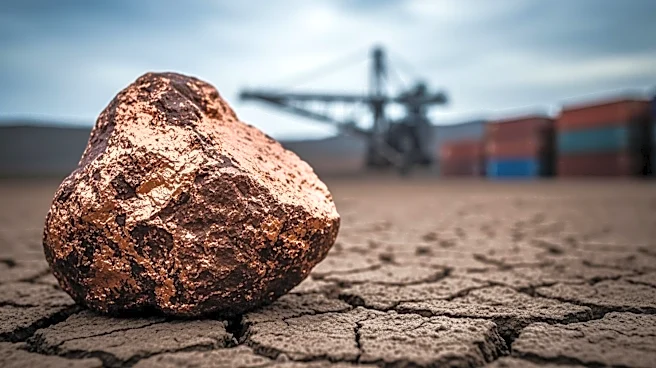
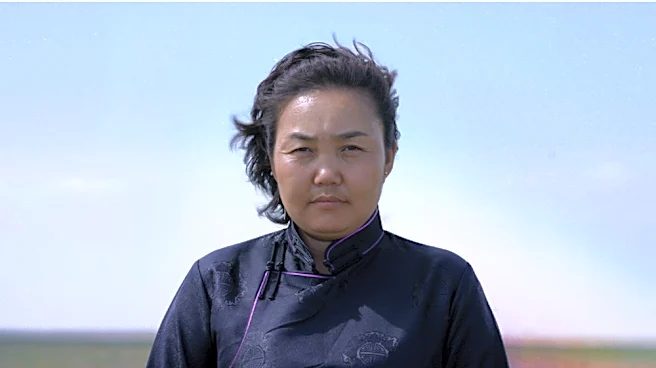
In Mongolia, protesters from the Radical Reform Movement have blocked copper exports from the Oyu Tolgoi mine, a significant operation owned by Rio Tinto. This action has partially cut off the supply of copper, a crucial mineral for China's renewable
energy sector, including electric vehicles and solar and wind power installations. The protestors are demanding a greater share of mining revenue for Mongolians, highlighting ongoing issues of poverty despite the country's mineral wealth. The Oyu Tolgoi mine, located in the Gobi Desert, is one of the largest copper mines globally and contributes significantly to Mongolia's tax revenues. The Mongolian government, which owns 34% of the mine, is facing calls to renegotiate its agreement with Rio Tinto to secure more benefits for the country.
Why It's Important?
The blockade of copper exports from the Oyu Tolgoi mine could have significant economic repercussions for both Mongolia and China. For Mongolia, the mine is a major source of tax revenue, and a prolonged disruption could lead to substantial financial losses. For China, the interruption in copper supply could impact its renewable energy ambitions, as copper is essential for manufacturing electric vehicles and renewable energy infrastructure. The protest underscores the broader issue of resource nationalism, where countries seek to gain more control and benefits from their natural resources. This situation could lead to increased tensions between Mongolia and foreign investors, potentially affecting future investments in the region.
What's Next?
The Mongolian government, led by Prime Minister Uchral Nyam-Osor, has instructed the justice and internal affairs minister to enforce the law against those obstructing business operations. This suggests potential legal actions against the protesters if the blockade continues. The situation may also prompt discussions on renegotiating the terms of the agreement with Rio Tinto, as there are voices within the government advocating for a larger share of the mine's benefits. The outcome of these negotiations could set a precedent for how Mongolia manages its natural resources and foreign investments in the future.